.svg)


Large commercial sites across Texas share a common challenge: thousands of disturbed acres that need vegetation established fast, on spec, and in conditions that punish shortcuts. Hydroseeding Texas projects at this scale requires more than a truck and a slurry tank.
It demands field knowledge of regional soils, weather windows, and the compliance requirements that keep permits active and schedules intact.
The difference between a hydroseeding application that holds and one that washes out in the first storm comes down to site-specific planning, the right seed mix, and a crew that has done the work before. We have been applying hydromulch seeding across Texas, Louisiana, Oklahoma, and New Mexico since 1990.
With 15 million square feet installed in 2025 alone and a 100% satisfaction rate across more than 60 clients, our track record at Allied Hydromulch speaks to what professional hydroseeding looks like on solar farms, pipeline corridors, highway embankments, and industrial developments.
What follows covers where hydroseeding fits on Texas commercial projects, how local conditions shape the seeding plan, what contractors should expect from the application and establishment process, and what separates a reliable hydroseeding partner from one that creates rework.
Common Project Applications
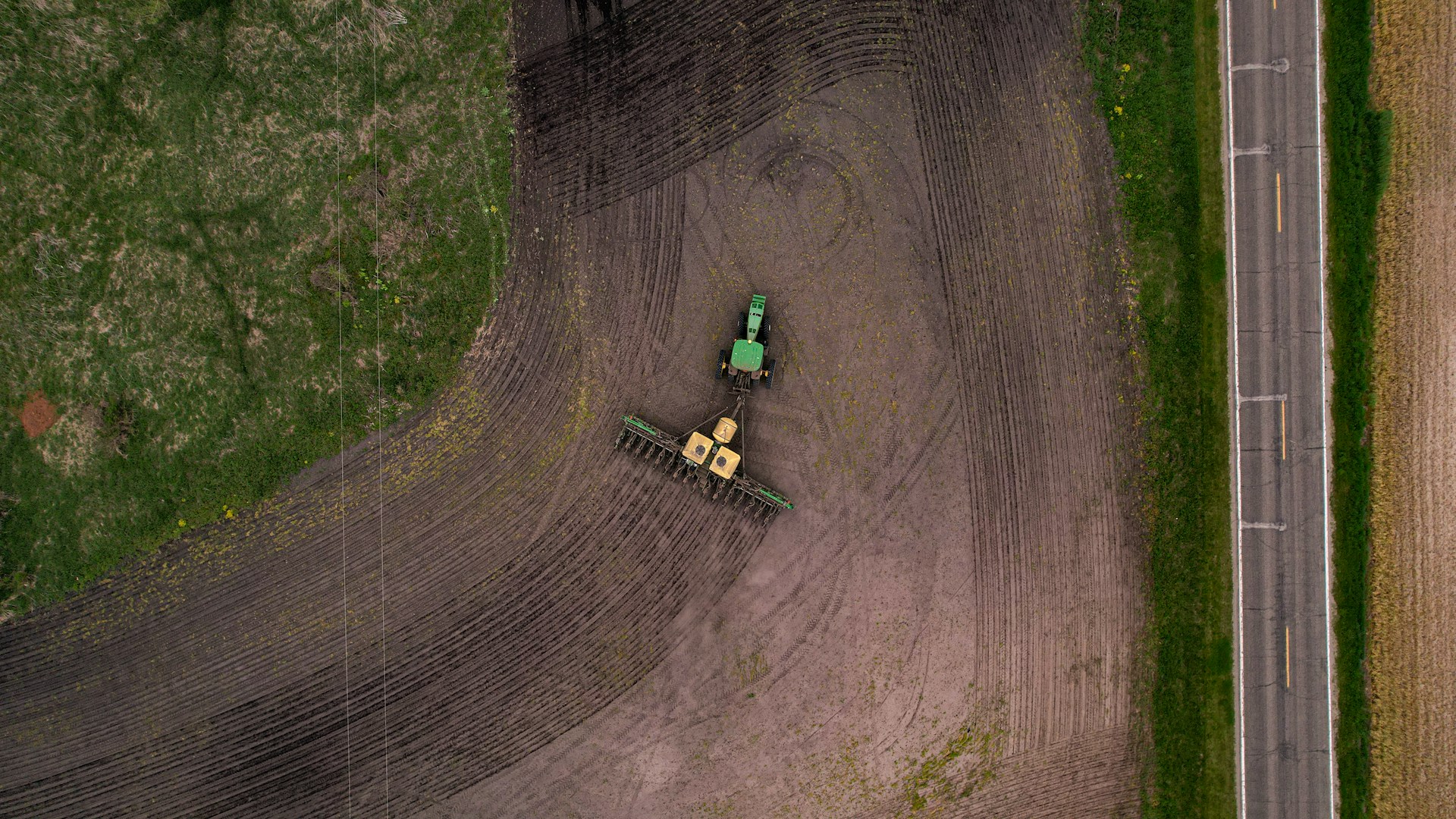
This method is the fastest way to establish vegetation across large disturbed areas where sod is impractical. Across the state, we primarily serve projects with large acreage and tight compliance schedules:
- Solar Farms and Utility Corridors: Efficiently stabilizes hundreds of acres of topsoil before final inspection.
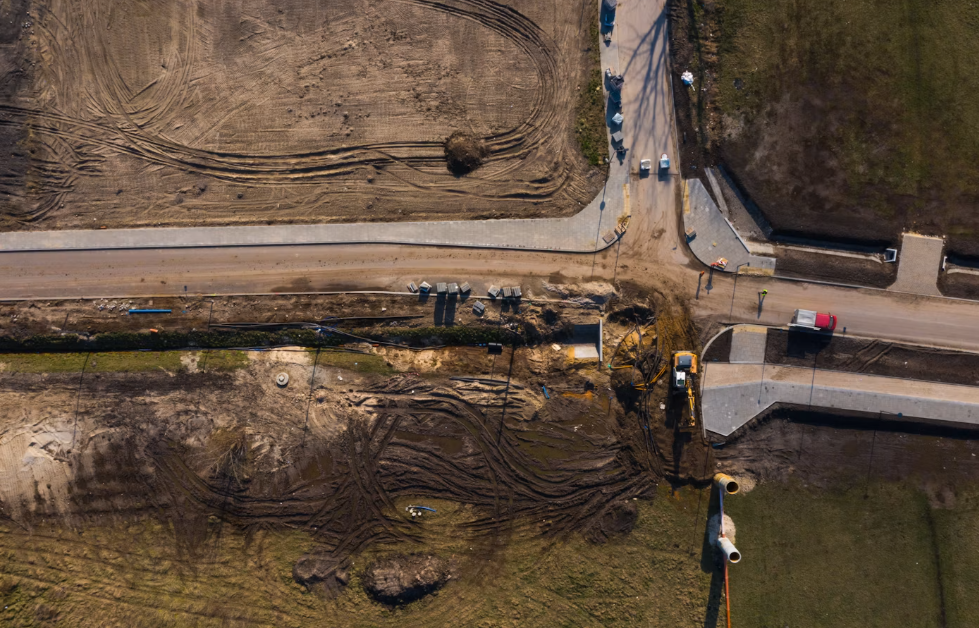
- Pipelines and Right-of-Way: Delivers uniform seed-to-soil contact across miles of cleared ground to meet landowner and regulatory standards.
- TxDOT and Infrastructure: Meets specific revegetation specs for highway embankments, medians, and interchange slopes to prevent sediment runoff.
- Industrial Reclamation: Restores formerly industrial land using specific seed specs designed to hold through the first growing season.
Why Texas Conditions Change the Seeding Plan
A seeding plan that works in the Midwest will not hold up in Texas. Soil types, heat exposure, rainfall patterns, and regional seed requirements all shift the approach. Hydromulching on a Gulf Coast industrial site is a different job than hydromulching on a West Texas pipeline corridor, and the crew needs to know the difference before the tank is loaded.
Clay Soils, Heat, and Rainfall Timing
Much of the Texas construction market sits on expansive clay soils. Clay does not absorb water the way loam or sand does. It swells when wet, cracks when dry, and sheds runoff during heavy rain events.
A hydroseeding slurry applied to untreated clay without a proper tackifier and soil conditioners will slide off the surface before germination starts.
Summer temperatures regularly exceed 100°F across Central and South Texas, narrowing the effective germination window. The best planting windows in Texas fall between March and May, then again from September through November, when soil temperatures stay between 50°F and 80°F.
Slope Exposure, Access Limits, and Washout Risk
Slopes above a 3:1 grade demand more than standard hydraulic mulch. Erosion control on steep embankments requires tackifier rates and mulch products matched to the angle and drainage pattern.
Access is another factor. Many pipeline and highway sites restrict equipment to specific corridors, limiting how and where the application crew can position. Washout risk spikes during the Gulf Coast storm season, so timing the application around rainfall forecasts is not optional.
Seed Mix Selection by Region and Site Use
Seed mixes vary based on geography, soil type, and project purpose. A TxDOT highway project near San Antonio will specify different grasses than a reclamation project in East Texas.
Native grass seeding uses regionally appropriate species that are drought-tolerant and low-maintenance once established. Choosing the wrong mix wastes material, delays establishment, and can fail compliance review.
How the Application Holds and Establishes
The performance of a hydroseeding application depends on what goes into the tank, how evenly it is applied, and whether conditions support germination in the weeks after application.
What Goes into the Slurry
A standard hydromulch slurry is a precision-mixed blend designed to protect and nourish the seed until establishment. We adjust the mix ratios based on soil type, slope, and seed variety for each site:
- Seed: Regionally appropriate and site-specific varieties.
- Hydraulic Mulch: Retains moisture and protects against wind.
- Fertilizer: Provides essential nutrients for early growth.
- Soil Conditioners: Adjusts pH and improves structure in clay soils.
- Tackifiers: Act as "glue" to bond the slurry to the ground.
Single-Visit Coverage Across Large Disturbed Areas
One of the biggest advantages of hydroseeding for commercial sites is single-visit coverage. A properly equipped crew can cover tens of thousands of square feet in a single day, reducing mobilization costs and minimizing the time bare soil sits exposed.
For general contractors managing multi-trade schedules, that efficiency matters. The site gets seeded, protected, and off the critical path faster than any alternative method.
Typical Germination Windows and Growth Expectations
Germination typically begins within 7 to 14 days under proper conditions. Full turf establishment usually develops in 4 to 6 weeks, depending on weather, irrigation, and seed variety. Consistent moisture during the first two weeks after application is critical.
Without it, seeds dry out and germination stalls. We set clear expectations with the GC before application, so the watering schedule is in place when we leave the site.
When Standard Coverage Is Not Enough
Not every site responds to a standard application. Steep slopes and high-velocity drainage areas require specialized products to prevent failure. The following table compares common methods for large-scale stabilization:
Method
Best For
Speed
Erosion Protection
Hydroseeding
Large open areas, moderate slopes
Very Fast
Moderate
Drill Seeding
Flat reclamation sites
Moderate
Low (until growth)
Flexterra (FGM)
Steep slopes (>2:1)
Fast
High (Immediate)
Sodding
Small areas, high-traffic
Slow
Immediate
Pairing Vegetation Establishment with Erosion Protection
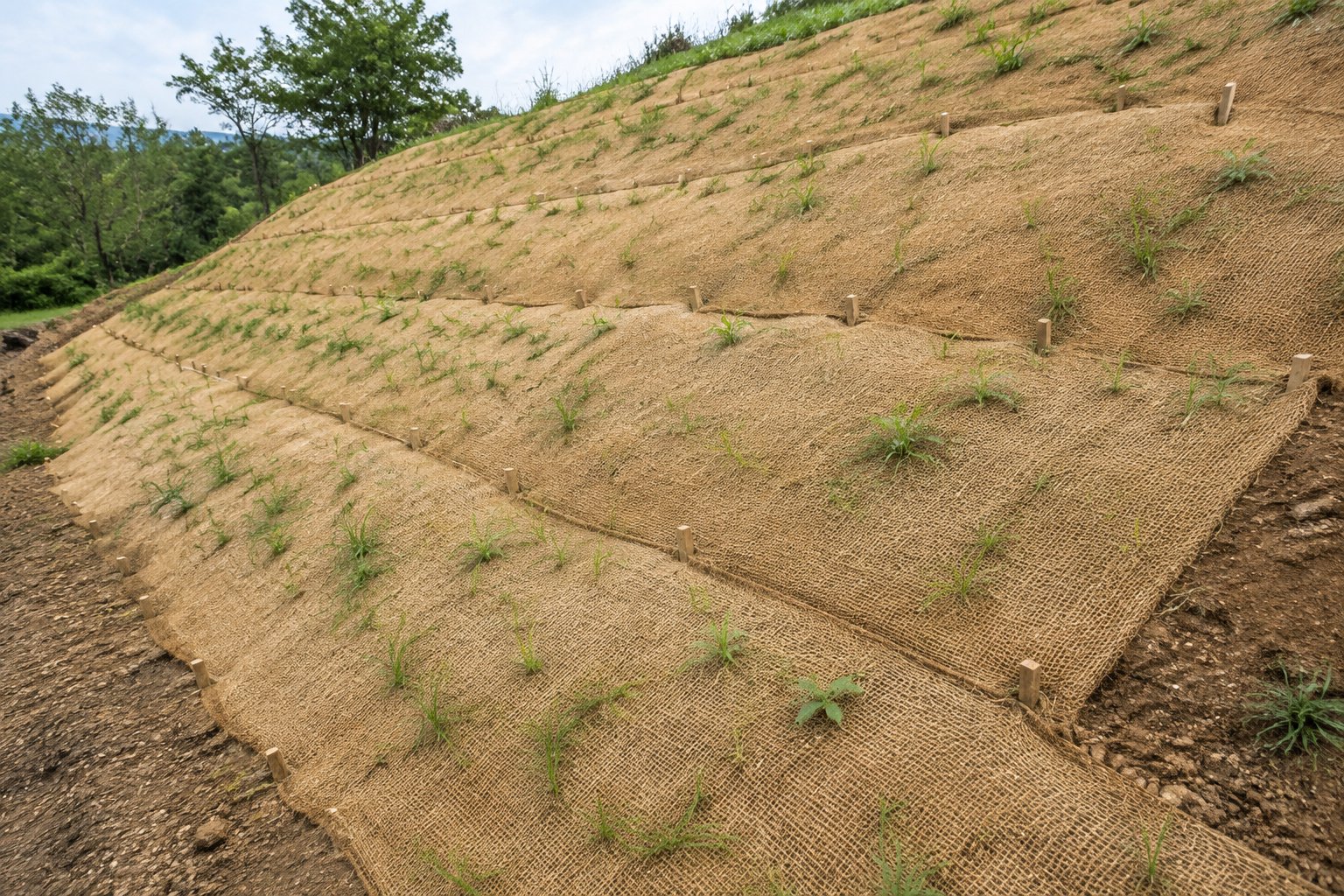
On sites where bare soil is exposed to rain before vegetation can establish, combining hydroseeding with soil erosion control products provides immediate protection. Erosion blankets, hydraulic soil stabilizers, and protective mulch systems prevent sediment loss while grass takes root beneath. This layered approach satisfies stormwater compliance requirements from day one.
Steep Slopes, Drainage Features, and Premium FGM Use
Slopes steeper than 2:1 and areas around drainage channels or retention ponds need more than standard hydraulic mulch. Flexterra, a premium flexible growth medium, is designed for these demanding conditions.
It locks onto steep, disturbed soils and provides erosion protection that standard mulch cannot match. We use Flexterra on projects where slope failure would trigger re-mobilization, permit delays, or environmental violations.
When Native Grass Seeding or Drill Seeding Makes More Sense
Some projects call for a different approach entirely. Environmental reclamation sites and large rural developments often perform better with native grass seeding. This method uses drought-tolerant species that naturally thrive in the local environment, with germination typically occurring in 2 to 4 weeks and full establishment in 2 to 3 months.
For infrastructure corridors and reclaimed land where long-term durability is the priority, drill seeding maximizes seed-to-soil contact by placing seed at a consistent depth. This method typically sees germination within 1 to 3 weeks. Choosing the right method for the specific site prevents wasted material and failed inspections.
What Contractors Need from a Texas Hydroseeding Partner
Choosing a hydroseeding subcontractor is a schedule and compliance decision. The wrong partner creates rework, missed inspections, and downstream delays.
Mobilization Speed, Site Readiness, and Crew Coordination
When a GC calls, the question is always the same: how fast can you be on site? A senior field team, like ours, with Ray on board since 1992 and Josh since 2009, knows how to coordinate with other trades, assess site readiness on arrival, and adapt to conditions without slowing the project down. Fast mobilization means the erosion control window stays tight and the schedule holds.
Documentation, Compliance Support, and Rework Avoidance
Stormwater permits, TxDOT specifications, and environmental compliance sign-offs all require documentation. A professional hydroseeding partner delivers the application records, seed certifications, and site photos that make inspections straightforward. Our right-first-time approach, built on 35 years of field experience, eliminates the rework cycle that costs contractors time and money.
Estimating Without Generic Per-Square-Foot Assumptions
Every site is different. Slope, soil type, seed spec, access conditions, and project timeline all affect the real cost. That is why we use a project estimate tool that accounts for site-specific variables rather than quoting a generic per-square-foot rate. Contractors get an accurate number tied to actual conditions, not a lowball figure that changes after mobilization.
Frequently Asked Questions
What does a hydroseeding crew typically need from the GC before mobilizing on a Texas jobsite?
The site should be graded, cleared of debris, and accessible for equipment. We also need the seed specification, any TxDOT or compliance requirements, and confirmation that irrigation or watering logistics are in place for post-application care.
How do you price hydroseeding for large commercial or roadway acres in Texas?
Pricing depends on acreage, slope conditions, seed mix specifications, site access, and project timeline. We use a calculator-based estimating approach rather than flat per-square-foot rates. Request a project estimate with your site details for an accurate number.
What's the right planting window for establishing seed in Texas heat and drought conditions?
Spring (March through May) and fall (September through November) offer the best germination conditions, with soil temperatures between 50°F and 80°F. Mid-summer applications are possible but require careful irrigation planning to offset extreme heat.
How do you handle hydroseeding on expansive clay subgrades and poor topsoil in Texas?
Clay soils require adjusted tackifier rates, proper soil conditioners in the slurry, and sometimes light tilling before application. On sites with select fill or poor topsoil, product selection and soil preparation are the difference between establishment and failure.
What seed mixes and application rates meet common TxDOT revegetation specs?
TxDOT specifies seed varieties and application rates by project region and site use. We match the mix to the project's specification documents, applying the correct species at the required rates. This includes native and adapted grass blends appropriate for the highway district.
How does hydroseeding perform after heavy rain events and slope washouts on Gulf Coast projects?
Performance depends on the mulch product, tackifier rate, and application timing relative to the rain event. Standard hydraulic mulch handles moderate rainfall well. For steep slopes or areas with high washout risk, Flexterra and erosion blankets provide the additional hold needed to survive Gulf Coast storm events without re-application.
Allied Hydromulch TX has handled hydroseeding and erosion control across Texas and the Gulf Coast since 1990. Use our online calculator for a rough estimate, or call 281-482-8212 to talk through your site.