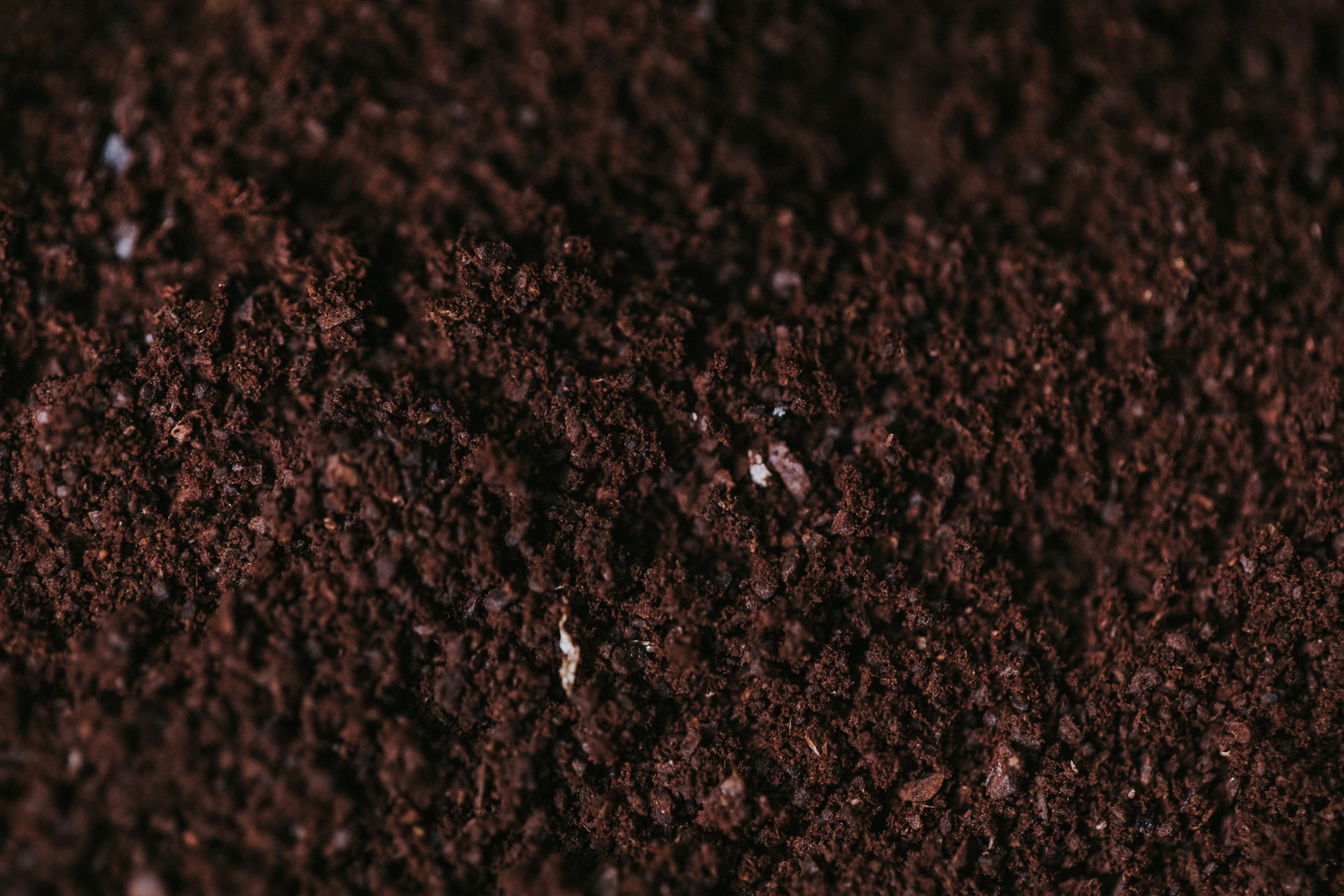
Biotic soil media (BSM) is a hydraulically applied soil amendment that adds organic matter, fiber and biological components to poor, graded soil so seed has something better to root into. Manufacturers position it as an alternative to hauling in topsoil or compost, especially on steep or hard-to-reach ground where trucks and loaders cannot place material safely. It goes on through standard hydroseeding equipment and is then covered with the erosion protection the slope calls for.
Most seeding failures on cut slopes and stripped pads are not a seed problem. Mass grading removes the topsoil and leaves subsoil with very little organic matter or biological activity, so seed sprouts and then thins out before the area reaches final stabilization. BSM is one way to fix the growing layer without a fleet of dump trucks. This article covers what it does, when it is worth evaluating and how it fits into a seeding scope.
What Does Biotic Soil Media Actually Do?
Healthy topsoil works because it holds organic matter that breaks down, feeds roots and keeps the soil open enough for water and air. Graded subsoil has lost most of that. BSM puts back a layer of organic material and biology at the surface, which can help with:
- Moisture held near the seed and young roots
- Better soil structure and water infiltration at the surface
- Nutrient cycling in soil that has very little of its own
- Root development deep enough to hold the soil through storms
The aim is a stand that keeps growing after the first flush of germination, which is what an inspector needs to see at closeout.
How BSM Differs from Fertilizer and Hydraulic Mulch
These three get confused because they can go through the same machine. Fertilizer supplies nutrients and nothing else. Hydraulic mulch covers the surface, holds seed in place and slows soil loss. BSM works on the root zone itself, adding organic matter and biological components to the soil the seed is sitting in. On a site with decent soil, standard seed, mulch and fertilizer are often enough. BSM comes into the conversation when the substrate is too poor to carry vegetation on its own.
What Goes Into a Biotic Soil Amendment?
Formulations vary between manufacturers and between products from the same manufacturer. Most are built on processed wood or bark fiber that gives the mix body in the tank and holds water, combined with organic and biological components meant to rebuild soil activity. Some products also include materials intended to increase water and nutrient holding.
Because the contents vary, work from the product data sheet and the manufacturer's application guide for the specific product named in your plans. If the engineer's specification calls out particular components or performance requirements, confirm the selected product meets them before it is ordered.
When Can BSM Replace Imported Topsoil?
BSM can stand in for topsoil when the goal is a better growing surface and hauling, spreading and grading topsoil would be too costly or unsafe. It cannot stand in when the plans require a set depth of topsoil.
Which Sites Are Good Candidates for BSM?
BSM is worth evaluating anywhere grading has left raw subsoil and vegetation has to establish on it.
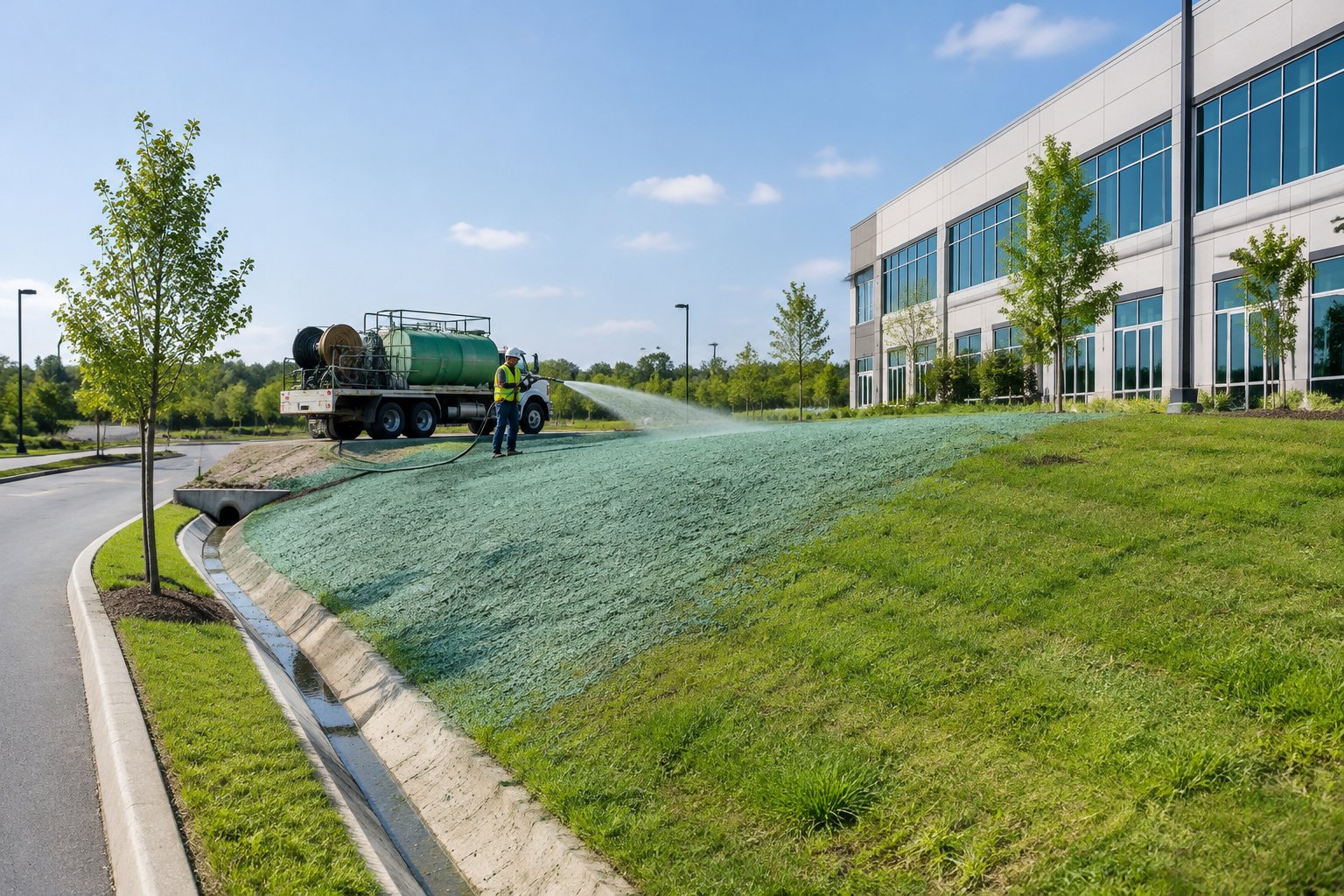
- Cut slopes. Excavation exposes clay, caliche or rock with almost no organic matter, and topsoil will not stay on a steep face. BSM is applied hydraulically and then covered with a bonded erosion product.
- Reclamation ground. Well pads, borrow areas and right of way often need vegetation for closeout after topsoil was lost or stockpiled for a long time. Our post on hydroseeding for oil and gas sites covers the reclamation side of that work.
- Compacted pads and laydown yards. After the ground is ripped or loosened, BSM can be sprayed across wide areas of depleted soil.
- Areas that already failed. Ground that has been seeded once and thinned out is a strong signal the soil, not the seed, is the problem.
Test the Soil Before You Choose a Product
A soil test tells you organic matter, pH, nutrient levels and salts. Low organic matter and poor biological activity point toward BSM. Healthy results usually mean standard seeding with fertilizer and any lime the test calls for will do the job, and you save the cost of an amendment the site does not need.
How Is BSM Applied and Protected?
Application follows the same basic order on most jobs, though the manufacturer's guide for the specific product controls the details.
Prepare the Ground First
Rip or roughen compacted surfaces so the slurry can grip and roots can grow down into the soil. BSM improves the surface layer, but it does not fix compaction or poor drainage underneath. Those need mechanical work or drainage correction before application.
Spray the Amendment, Then the Cover
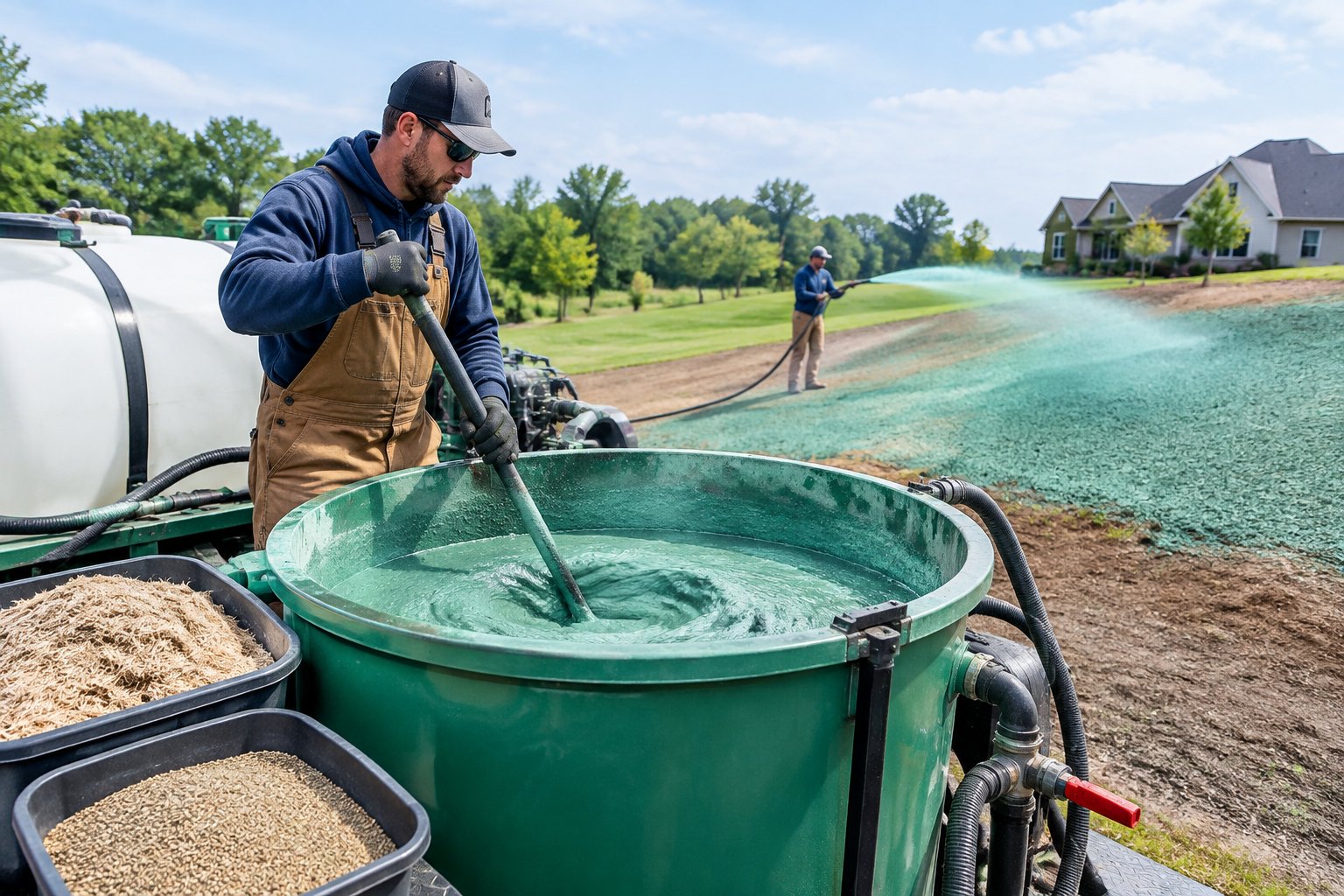
The BSM is mixed and sprayed at the manufacturer's loading rate, with seed and fertilizer added in the same pass or separately, as the guide directs. Once it has had time to set, the erosion cover goes on. Manufacturers list erosion control blankets, straw and hydraulic mulch among the covers that can go over BSM, and on steep or highly erodible faces that cover can be a bonded product such as Flexterra HP-FGM. Our guide to Flexterra installation for steep slopes explains that step. If you want a rough idea of standard hydroseeding costs before pricing an amended scope, our pricing calculator gives a quick range.
Plan for Water and Follow-Up
BSM can help the surface hold moisture, but seed still needs steady water to germinate and get established, and that has to be planned before application in Texas summer heat. After significant rain, walk the area for washouts and thin spots and repair them early.
Why the Soil Layer and the Cover Layer Both Matter
Projects that struggle with BSM usually got one layer right and skipped the other. The amendment fixes what is under the seed. The cover protects it from rain and wind until roots take hold. On a steep cut, you need both, and they go on in sequence. Allied Hydromulch has handled commercial hydroseeding and erosion control across Texas and Louisiana since 1990, and our crews scope the soil side and the protection side together so the job is done once.
Bring Us Your Soil Test and Slope Details
If you are looking at cut slopes, reclamation ground or a pad that would not take seed the first time, we can walk through the soil results and site conditions with you and recommend a sequence that fits. Contact our team or call 281-482-8212 to get started.
Frequently Asked Questions
Is biotic soil media the same as compost?
No. Compost is a general organic amendment, usually spread and worked in. BSM is a manufactured product designed for hydraulic application, so it can be sprayed onto slopes and areas where spreading compost is impractical.
Can seed go in the same slurry as BSM?
It depends on the product. Some application guides add seed and fertilizer with the BSM, others in a separate pass, and the erosion cover usually goes on afterward. Follow the guide for the product specified.
Does BSM work on clay soils?
It can improve the surface layer on clay by adding organic matter, but it does not change the clay underneath. Compaction and drainage issues on clay still need to be dealt with before application.
Does an engineer need to approve BSM?
If the plans call for topsoil or a specific amendment, yes. Get written approval before substituting BSM, and confirm the product matches any requirements in the specification.