.svg)


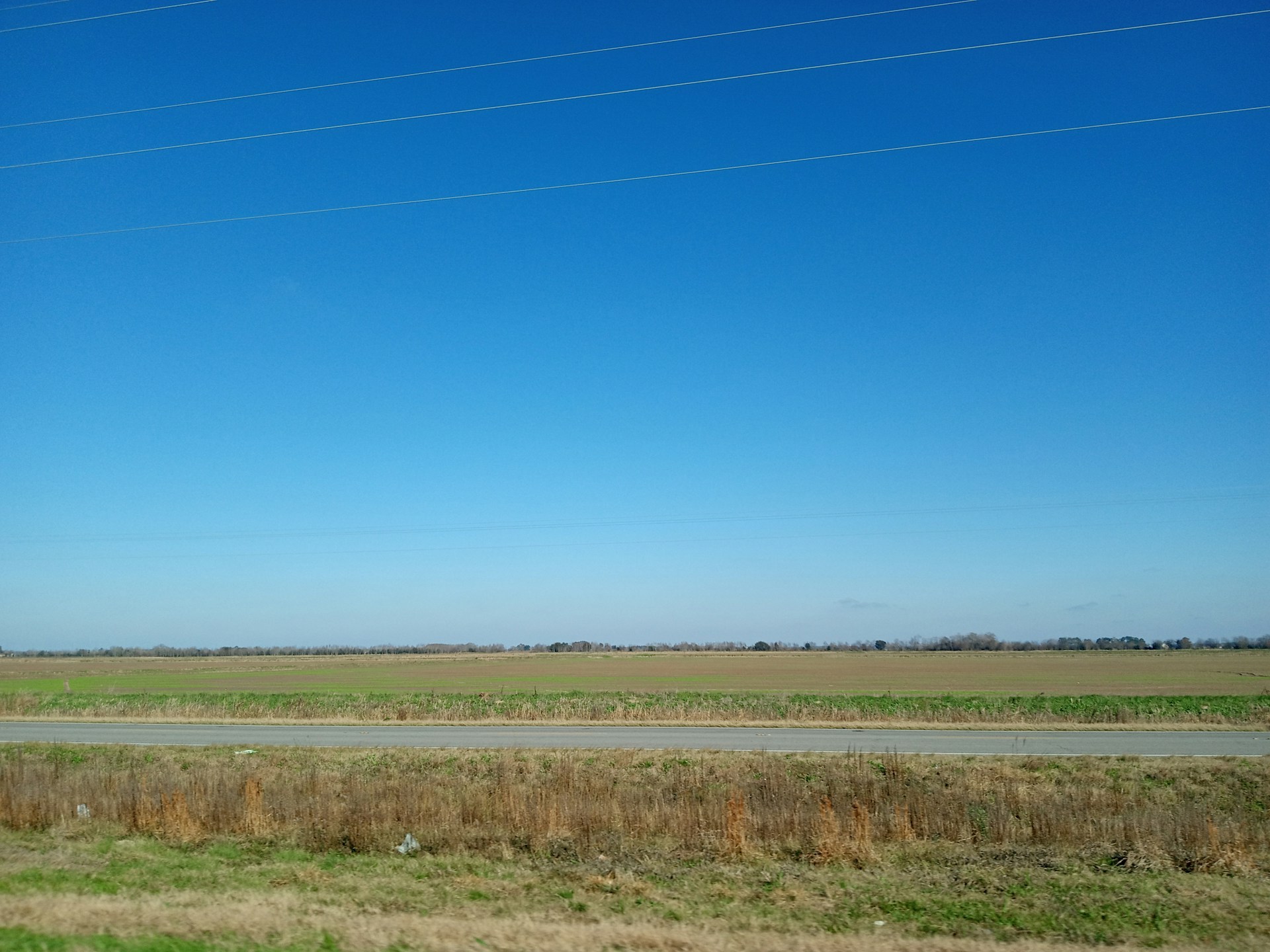
A bare tract sitting through a wet Gulf Coast spring is a liability, not a blank slate. Sediment moves, inspectors take notes, and the closeout date slides. Species choice and application method decide whether that ground holds or washes.
Contractors comparing native grass restoration contractors in Texas usually run into the same gap: plenty of vendors can spray seed; far fewer can match the seed mix to the soil, slope, and permit conditions on that specific site.
Allied Hydromulch TX, LLC has worked Texas ground since April 1990 and installed roughly 15 million square feet of mulch in 2025 alone, across clay-heavy Houston metro sites, highway corridors, and reclaimed acreage.
In this guide, you will find a practical path from site assessment to species selection to application method, with the timing realities that follow. By the end, you should be able to walk a site, name the right native grass mix, and tell a contractor exactly which method your conditions call for.
Match Native Species to Texas Soils, Climate, and Project Goals
Species selection starts with soil texture, rainfall, and what the site has to do long term. A drainage channel in Fort Bend County and a dry pad in West Texas do not take the same native seed mix.
Most Texas restoration work leans on native warm-season grasses. They germinate as soil temperatures climb, build deep roots, and hold ground through summer heat with little irrigation. According to the Texas Department of Transportation vegetation manual, established native grasses can live up to 100 years and resist weed invasion once mature.
Selecting Buffalograss and Sideoats Grama for Dry, Open Ground
Buffalograss and sideoats grama fit dry, open, low-maintenance sites. Both handle heat, thin soils, and long gaps between rain events without collapsing.
Buffalograss spreads by stolons and forms a low sod. That makes it useful on flat detention areas, utility yards, and solar farm land between panel rows where mowing access is limited. Sideoats grama, the state grass of Texas, tolerates caliche and rocky ground that would stall other species.
These two are the practical Bermudagrass alternatives when a spec calls for native cover rather than introduced turf. They come in slower but require far less input once rooted.
Using Little Bluestem, Indiangrass, and Switchgrass for Deep-Rooted Coverage
Little bluestem, indiangrass, and switchgrass are the bunch grasses to reach for when the goal is holding soil. Root systems on mature stands can run five feet deep or more.
Switchgrass performs on wetter ground, including channel banks and pond edges across the Gulf Coast. Indiangrass fits blackland and post oak soils. Little bluestem tolerates a wide range and blends well into mixes for embankments and right-of-way slopes.
Deep roots matter most on cut slopes and drainage features where surface cover alone will not stop rilling in a heavy rain.
Choosing Native Seed Mixes for Biodiversity and Wildlife Habitat
Mixes beat single species on almost every restoration project. Different native grasses germinate at different times, so a mix hedges against a bad season.
A well-built native seed mix supports wildlife habitat and biodiversity while still meeting erosion control specs. Adding forbs and wildflowers extends bloom and pollinator value without adding mowing.
Typical mix goals on Texas restoration work:
- Fast-cover species to hold soil during the first season
- Long-lived bunch grasses for permanent stabilization
- Forbs or wildflowers for pollinator habitat and ecological value
- Regional ecotypes matched to the ecoregion, not a generic national blend
Species choice only works if the ground can actually receive it. This is where the site assessment comes in.
Start With a Site Assessment Before Grass Planting
A site assessment tells you whether seed will germinate or sit on hardpan and wash away. Skipping it is the most common reason restoration work gets redone.
Walk the site with the seeding contractor before the spec is locked. Compaction, drainage patterns, and existing vegetation all change the seed mix and the method.
Evaluating Soil Compaction, Drainage, and Existing Vegetation
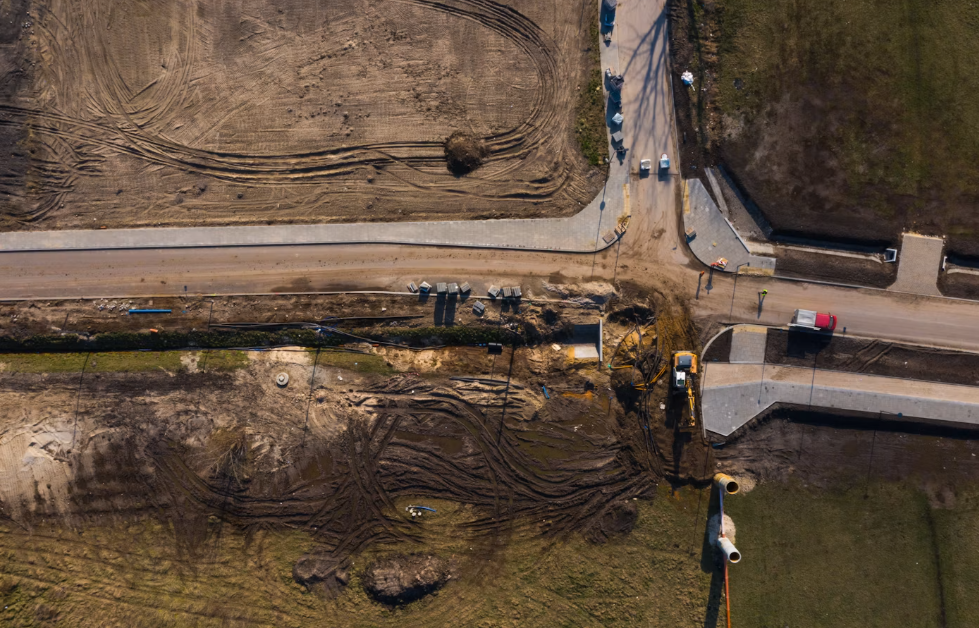
Compacted subgrade is the number one failure point on construction sites. Heavy equipment turns Texas clay into a surface that sheds water instead of absorbing it.
Check for a crust, standing water lines, and whether a probe pushes in more than a few inches. If it does not, the ground needs ripping or scarifying before any grass planting happens.
Existing vegetation matters too. Bermudagrass or Johnsongrass already on site will outcompete slow native seedlings unless it is controlled first.
Planning for Slopes, Drainage Channels, and Retention Ponds
Slopes and water features drive method selection more than any other factor. A 3:1 slope and a flat pad get different treatments even with the same seed.
Drainage channels and retention ponds need species that tolerate wet feet and flow. They also need surface protection during establishment, since concentrated flow will strip loose seed in one storm event.
Our field crews handle hydroseeding for retention ponds on sites where permit timelines leave no room for a second application. Note access early. If a hydroseeding truck cannot reach a slope, that changes the equipment plan and the price.
Setting Restoration Goals for Ranches, Parks, Golf Courses, and Reclaimed Land
Different project types need different definitions of success. A ranch wants forage and soil health. A park wants usable, presentable ground.
Golf courses often need native grass in rough and out-of-play areas to cut mowing and irrigation. Reclaimed land and land reclamation projects usually answer to a regulator, so the goal is a documented cover percentage.
Write the goal down before seeding. It determines the mix, the rate, and how revegetation gets measured at closeout. Once conditions and goals are clear, the application method decides how much of that seed actually grows.
Choose Hydroseeding or Drill Seeding for Native Grass Establishment
Hydroseeding and drill seeding both work for native grass establishment. The site conditions decide which one belongs in the scope.
Hydroseeding sprays a slurry of seed, mulch, fertilizer, soil conditioners, and tackifier over prepared soil. Drill seeding cuts a furrow and places seed at a set depth. Each has clear territory.
When Hydroseeding Fits Slopes, Irregular Terrain, and Limited Access
Hydroseeding wins where equipment cannot drive. Steep cut slopes, riprap edges, channel banks, and tight commercial pads all fall into that category.
The hydromulch layer does real work beyond carrying seed. It holds moisture at the soil surface and shields seeds from rain splash and wind during the germination window. On Gulf Coast sites where a two-inch afternoon storm is routine, that layer often decides the outcome.
Hydromulching also covers ground fast. That matters when a stabilization deadline is close, and the site cannot wait for tractor access.
When Drill Seeding Provides Better Seed-to-Soil Contact on Open Acreage
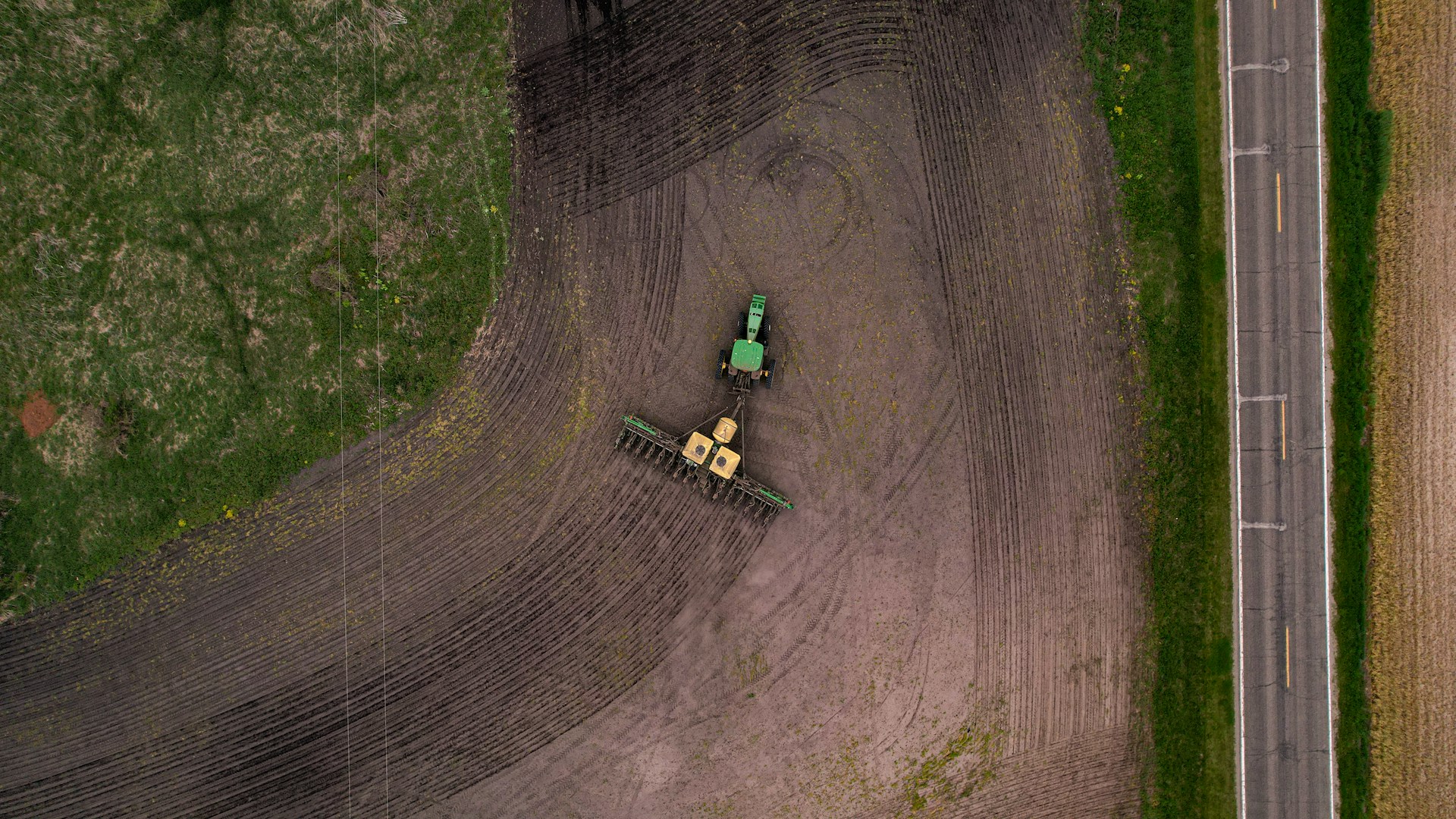
Drill seeding is the better call on large, drivable acreage. Seed-to-soil contact is direct, and depth is consistent, which produces uniform stands with less seed.
Infrastructure corridors, reclaimed pads, and rural tracts are common fits. Germination typically occurs within one to three weeks under proper conditions. Drill seeding for large acreage restoration also disturbs less surface, which helps where topsoil is thin.
Drill seeding needs a prepared, firm seedbed and equipment access. Rocky ground, steep grades, and debris rule it out.
Why Broadcast Seeding Can Increase Seed Loss and Reduce Uniformity
Broadcast seeding spreads seed on the surface with no cover and no depth control. On disturbed Texas sites, a large share of that seed never germinates.
Where the seed goes after broadcasting:
- Washed off by the first rain on any slope over a few percent
- Eaten by birds and rodents sitting exposed on the surface
- Dried out before the root can reach moisture in summer heat
- Clumped into thick and bare patches from uneven throw
Broadcast can work on flat ground with a cultipacker and good timing. On graded construction sites and slopes, it usually costs more in reseeding than it saves.
Whichever method you pick, freshly seeded ground still needs protection until roots take hold.
Build Erosion Control Into the Restoration Scope
Native grass takes months to establish, and the soil is exposed the entire time. Erosion control belongs in the scope from day one, not as a fix after the first violation.
Pairing seeding with soil stabilization protects the investment and the permit. It also keeps sediment out of the channel that runs off your site.
Protecting Freshly Seeded Slopes During Rain Events
Freshly seeded slopes are at their most vulnerable in the first two weeks. Rain moves loose seed downhill and cuts rills that only get deeper. Hydraulic mulch applied with the seed gives immediate surface cover. On steeper grades and longer slope lengths, that mulch needs a stronger binder or a physical blanket.
Gulf Coast rainfall patterns make this urgent. A tropical system can drop more rain in two days than some regions see in two months.
Using Hydraulic Mulch, Erosion Blankets, and Flexterra Where Conditions Demand More Hold
Product selection follows slope, flow, and soil. Match the treatment to the condition, not to a default.
- Standard hydraulic mulch: flat to gentle grades, short slope lengths, low flow
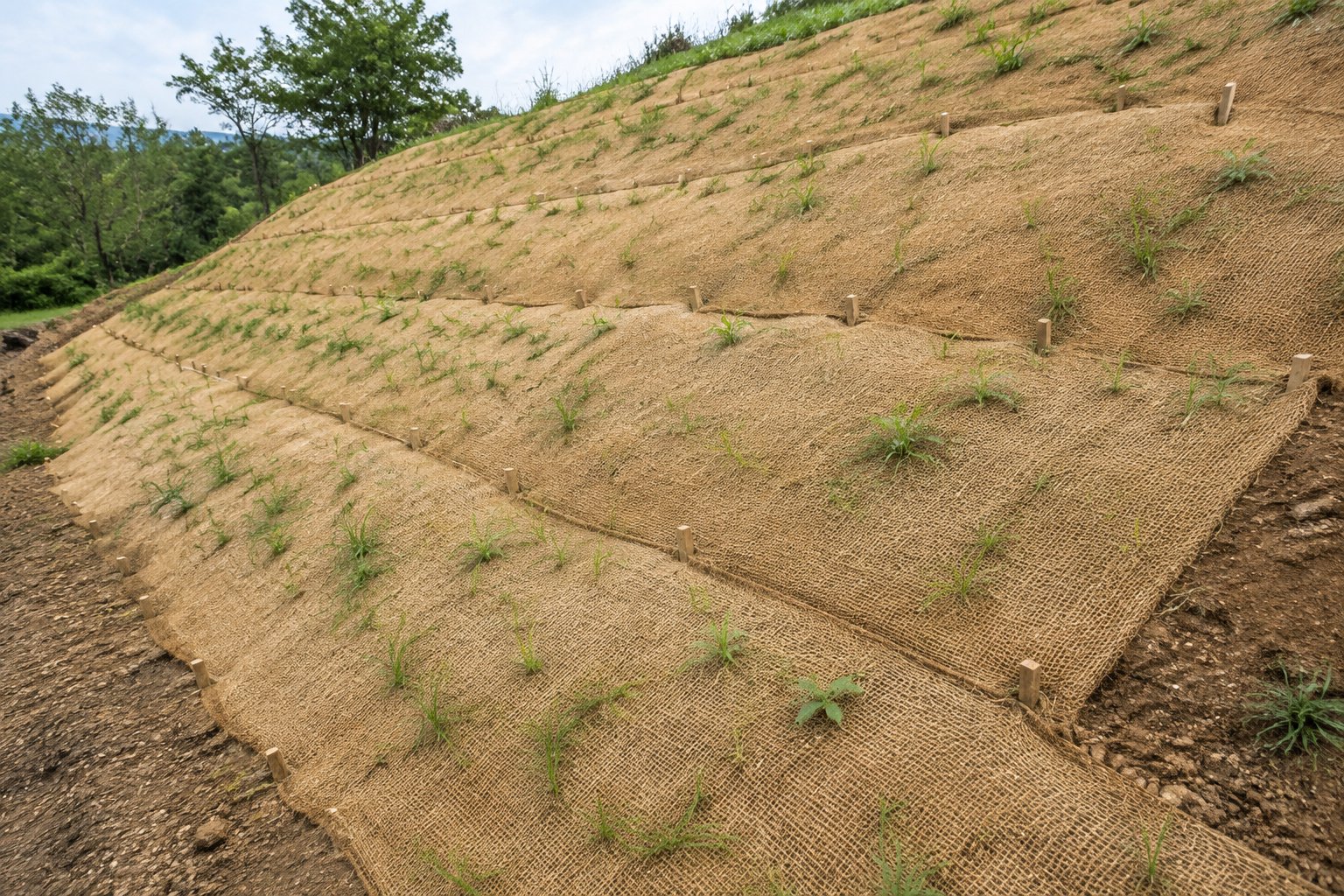
- Erosion blankets: channels, steep slopes, and areas with concentrated flow
- Flexterra flexible growth medium (FGM): demanding slopes and disturbed soils where standard hydraulic mulch will not hold
- Bonded fiber matrix: steep grades needing high bond strength before vegetation takes over
Bonded fiber matrix for slope stabilization and Flexterra both cost more per square foot than standard mulch. On a 2:1 cut slope, they cost far less than reapplying twice.
Supporting Stormwater Compliance While Native Vegetation Establishes
Stormwater compliance does not wait for grass to mature. Inspectors look for effective cover now. Native stands can take a full season to look established.
That gap is exactly why hydraulic stabilizers and blankets go down with the seed. They provide immediate protection while roots develop underneath. Sites facing active inspection pressure often need erosion control for compliance deadlines scheduled alongside seeding.
Documentation helps too. Photos, product data, and application records support permit sign-off on industrial and highway projects. With protection in place, the next question is how long establishment actually takes.
Plan for Establishment Timing and Long-Term Performance
Native grass seeding runs on a slower clock than standard turf. Germination typically occurs in two to four weeks. Establishment usually takes two to three months. Build that into the schedule. Comparing native timelines to a hydroseeded ryegrass stand leads to false alarms in week three.
What to Expect During the Two-to-Four-Week Germination Window
Early growth is thin and uneven. Native grasses put energy into roots first, so top growth looks sparse compared to introduced species. Soil temperature drives the pace. Warm-season natives sit dormant until the ground warms.
This is why late spring seeding usually beats early spring in North Texas. Weeds often appear before the grass does. That is normal in native plantings and rarely means failure.
Why Native Grass Establishment Typically Takes Two to Three Months
Full establishment takes two to three months under decent conditions. TxDOT guidance notes that native stands generally need about three years to reach full maturity.
That long horizon is the payoff. Deep fibrous roots reach moisture shallow-rooted grasses cannot. The stand survives drought and holds soil for decades. Native grass seeding for durable site restoration makes the most sense where long-term performance matters more than instant cover.
Maintenance during that period is light: one late-fall mow at seven inches or higher, and weed control where mowing is not practical.
Coordinating Restoration Work Across Houston, Dallas, Fort Worth, Austin, and San Antonio
Timing shifts across Texas. Houston and the Gulf Coast warm early and stay wet. Dallas and Fort Worth run colder later into spring and dry harder in July.
Austin and San Antonio sit over thin soils and rock in places. This affects both seedbed prep and species choice. North Texas and Oklahoma sites push planting windows later still.
Crews working statewide plan seeding windows around these differences rather than one calendar date. That is how multi-site programs stay on one schedule. Timing only holds if the contractor doing the work can carry the site through closeout.
Select a Contractor That Can Support Site Closeout
The right contractor handles seed spec, application, erosion control, and the paperwork that closes the permit. Anything less leaves gaps you have to fill. Native grass restoration touches compliance directly. Ask questions that expose whether a bidder has done this on Texas ground.
Questions to Ask About Seed Specifications, Application Method, and Site Conditions
Get specifics before you award the work. Vague answers here turn into reseeding later.
- What is the exact seed mix, by species, and pure live seed rate?
- Which application method fits my slopes and access, and why?
- What stabilization product goes down with the seed?
- How do you handle compaction and seedbed prep on clay soils?
- What documentation do you provide for stormwater compliance and closeout?
- What is the reseeding policy if cover falls short of spec?
A contractor who cannot answer these from field experience will learn on your site.
How Regional Field Experience Reduces Rework and Schedule Risk
Regional experience shows up in small decisions that prevent big problems. Knowing that a Houston clay pad needs scarifying. Knowing that a July seeding date on a west-facing slope is a coin flip.
Crew tenure matters as much as company age. Allied Hydromulch TX, LLC runs a senior field team including Ray, with the company since 1992, and Josh, since 2009. That is decades of Texas soil, weather, and site conditions behind every application.
Experience also protects the schedule. A crew that mobilizes when quoted and gets coverage right the first time keeps the broader project moving.
Request a Fast Native Grass Restoration Quote
Scoping starts with the site details: acreage, slope, soil, access, and the compliance deadline you are working against. Have those ready, and the quote comes back fast.
Run rough numbers with the hydroseeding cost calculator. Then call to confirm against real conditions. For sites with slopes, channels, or an active permit, a short conversation usually beats a form.
Reach out through the project estimate request page or call 281-482-8212 to get your site on the schedule.
Frequently Asked Questions
What Services Do Native Grass Restoration Contractors Provide for Texas Construction Sites?
Most provide site assessment, seedbed prep, seed mix selection, and application by hydroseeding or drill seeding. Erosion control products such as hydraulic mulch, erosion blankets, and Flexterra are usually part of the same scope. Documentation for stormwater compliance and permit closeout should be included.
How Do Contractors Select Native Grass Species for a Texas Restoration Project?
Selection is based on ecoregion, soil texture, drainage, slope, and the long-term use of the site. Dry open ground often calls for buffalograss and sideoats grama. Slopes and channels favor little bluestem, Indiangrass, or switchgrass. Most projects use a mix rather than a single species.
What Is the Typical Timeline for Native Grass Establishment After Seeding in Texas?
Germination typically appears within two to four weeks. Establishment usually takes two to three months. Standard hydroseeding with introduced species moves faster, with germination typically in 7 to 14 days. Weather, soil temperature, and irrigation all shift those windows.
Can Native Grass Restoration Help Meet Erosion Control and SWPPP Requirements?
Yes. Established native stands provide long-term soil stabilization. The hydraulic mulch or blanket applied with the seed protects the surface immediately. Because native grass takes months to mature, pairing it with a stabilization product is what satisfies inspection during establishment.
What Site Preparation Is Needed Before Installing Native Grass Seed?
Compacted subgrade needs ripping or scarifying so roots can penetrate. This is common on Texas clay after heavy equipment traffic. Existing aggressive vegetation should be controlled first, and the surface graded to shed water without concentrating flow. Topsoil replacement helps where the site was stripped.
How Much Does Native Grass Restoration Cost per Acre in Texas?
Cost varies with acreage, slope, access, seed spec, and which stabilization product the site requires. Steep grades and premium products like Flexterra raise the per-acre figure. Large open tracts drill seeded lower it. An online calculator gives a rough range, and a site conversation confirms it.
Getting Native Ground to Hold on Your Schedule
Native grass restoration comes down to three linked decisions: the right species for the soil and slope, the right application method for the access you have, and erosion control that holds while roots develop. Get those aligned, and the stand performs for decades with almost no input.
The timeline is the part contractors underestimate most. Two to four weeks to germination and two to three months to establishment mean seeding needs to be scheduled backward from your closeout date. It should not be squeezed in after it.
Allied Hydromulch TX, LLC has been seeding and stabilizing Texas ground since 1990, across the Houston metro, the Gulf Coast, and out into Louisiana, Oklahoma, and New Mexico. Run your numbers through the online cost estimator, or call 281-482-8212, and we will talk through your site conditions and get a quote moving.