.svg)


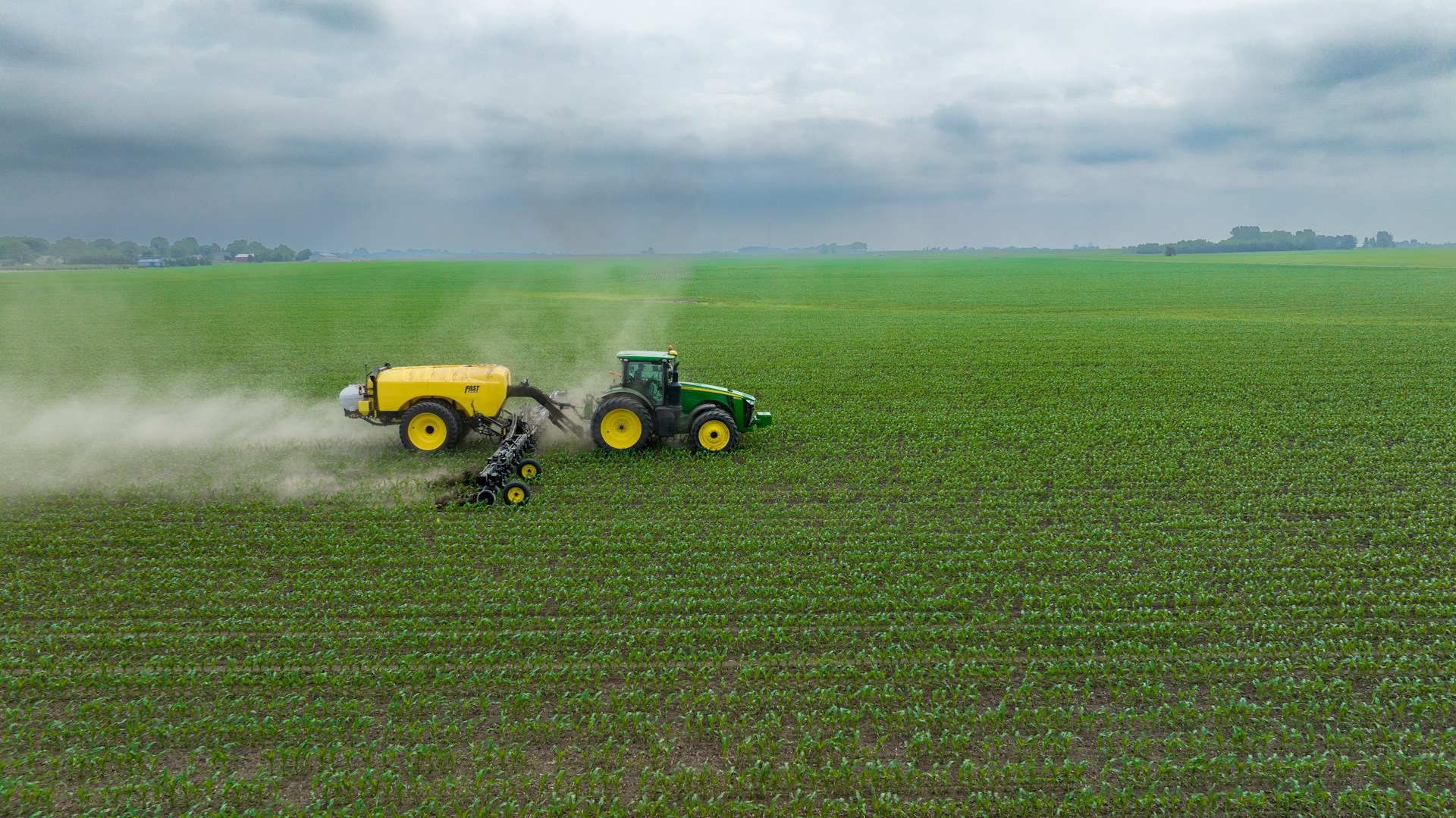
Restoring vegetation on 50, 200, or 500 acres of disturbed land requires different methods than seeding a small commercial pad. Broadcast methods often waste seed. Hydraulic applications can struggle on dry, compacted ground.
On large sites with tough soil, drill seeding services place seed at the correct depth, ensuring direct seed-to-soil contact. Surface methods cannot match this precision.
With over 35 years of field experience across a range of sites, we determine which seeding method fits each project. Drill seeding offers precision placement across large, open ground, which speeds up durable revegetation on big sites.
Learn which site conditions call for drill seeding, how it compares to hydroseeding, what the installation process involves, and how Texas soils and weather affect your project timeline.
When Precision Placement Beats Hydraulic Application
Drill seeding puts seed directly into the soil at a controlled depth. This approach improves germination rates, stand uniformity, and long-term survival on large restoration projects.
Site Conditions That Favor In-Ground Placement
Seed drills work best on flat to moderate terrain with firm, accessible ground. Large open tracts, pipeline corridors, reclaimed mining land, and solar farm pads are common sites for drill seeding.
Even if the ground is compacted, dry, or stripped of topsoil, a tractor-mounted drill can cut furrows and deposit seed at a consistent depth. Rocky or clay-heavy soils in Central and South Texas often resist broadcast seeding. Loose seed on hard surfaces dries out or washes away. A drill's colters cut through the crust and place seed below it.
Sites with limited irrigation also benefit. Buried seed retains moisture longer than surface-applied seed.
Why Seed-to-Soil Contact Changes Establishment Outcomes
Seed germination depends on moisture, temperature, and soil contact. A seed drill presses seed into a furrow and firms soil over it. This contact holds moisture around the seed and protects it from wind, sun, and light rain.
On native grass restoration projects, seed is costly, and timing is critical. The Natural Resources Conservation Service (NRCS) explains that grain and grassland drills deliver seed at a set rate, place it at a consistent depth, and lightly compact the soil for reliable contact. This precision reduces waste and improves stand density.
When Hydroseeding Still Makes More Sense
Steep slopes, irregular terrain, and sites with limited access work better with hydraulic application. A hydroseeding truck can spray a slurry of seed, mulch, fertilizer, and soil conditioners onto slopes or narrow channels where tractors cannot operate.
Projects needing immediate surface protection, such as active site erosion exposure, benefit from hydroseeding. The mulch layer shields bare soil as soon as it is applied.
Project Types Where This Method Performs Best
Drill seeding services work best on large, accessible sites with long-term vegetation goals. This method is designed for volume coverage.
Large Open Tracts and Infrastructure Corridors
Pipeline rights-of-way, transmission line easements, and highway medians are ideal for drill seeding. These sites have long, flat corridors that need uniform grass cover across large areas.
A tractor-mounted drill moves efficiently, covering significant ground each day with minimal disturbance. The Texas Department of Transportation (TxDOT) uses drill seeding as a standard method for roadside revegetation along major corridors in Southeast Texas.
Guidelines recommend waiting for at least half an inch of natural rainfall before watering after drilling.
Native Grass Restoration and Long-Term Revegetation
Native grass seeding benefits from drill equipment. Species like Buffalograss, Sideoats Grama, and Green Sprangletop require precise depth placement, usually between 1/4 and 1/2 inch, for reliable germination.
Broadcasting small, light seeds often fails because wind and runoff move seed off the seedbed. Establishment for native grasses usually takes two to three months. Deep root systems form over the first growing season.
Environmental reclamation projects and post-construction land recovery see better results with consistent depth control from a drill.
Roadside, Utility, and Reclaimed Land Applications
Utility-scale solar farms, wind farm access roads, and post-mining reclamation sites need low-maintenance, drought-tolerant cover. Drill seeding places seed below the surface where it can reach soil moisture.
- Solar farm land prep: Graded pads need ground cover to prevent dust, control erosion, and meet permit closure requirements.
- Reclaimed land: Former industrial or mining sites often have compacted subsoils. Drills penetrate that surface layer.
- Utility corridors: Long, narrow easements require fast linear coverage with minimal equipment mobilization.
Site Preparation Drives the Result
A drill can only place seed correctly if the ground is ready. Skipping or rushing site prep often leads to poor stands on large projects.
Grading, Dirt Work, and Surface Readiness
Final grading should leave the surface smooth so the drill maintains consistent depth. Ruts, debris, and large clods disrupt tracking and create seed gaps.
On Texas clay soils, surface cracking during dry periods can make the seedbed uneven. Grading equipment should leave the surface firm but not sealed. Over-compacted soil resists drill penetration. Loose soil lets drills sink too deep. The target is a surface that holds a boot print about half an inch deep.
Weed Pressure, Herbicide Application, and Clean Seed Beds
Existing weeds compete with new seed for moisture, light, and nutrients. On reclaimed and post-construction sites, aggressive weeds can overtake new stands within weeks if not controlled before seeding.
The NRCS recommends chemical site preparation when using a no-till grassland drill. Herbicide controls competition without disturbing the soil. Applying a pre-emergent or burndown herbicide two to four weeks before drilling gives new seed a clean start.
Sites with heavy weed pressure need this step to avoid re-seeding.
Equipment Choices Such as Grass Drill and Harley Rake
Equipment depends on seed type, soil condition, and site size. Two common tools are:
- Harley rake: A tractor-mounted power rake that levels the surface, breaks up clods, removes debris, and creates a fine seedbed. This is useful on clay soils that clump after grading.
- Grass drill (no-till drill): A specialized drill for native grass and small-seeded species. It features adjustable depth bands, multiple seed boxes, and packer wheels that firm the furrow after placement.
Proper drill calibration is critical. Seed size, weight, and flow characteristics vary between species. Calibrating a seed drill for multi-species mixes requires test runs and adjustments before seeding begins.
What the Installation Process Usually Includes
Drill seeding installation follows a sequence: seed selection, equipment setup, field passes, and post-seeding protection. Each step affects the final stand.
Seed Mix Selection and Working With the Right Seed Supplier
The seed mix determines project success. Species selection depends on the goal: roadside cover, native grass restoration, or erosion-resistant ground cover. Each species has a target seeding rate measured in pure live seed (PLS) pounds per acre.
Work with a reputable seed supplier to ensure quality. Certified seed with a current tag gives verified germination, purity, and weed content. Low-quality seed, even when drilled perfectly, results in thin, weedy stands.
Common Texas drill-seeded mixes include Bermudagrass, Buffalograss, Sideoats Grama, Switchgrass, and various bluestems. The mix and rate should match soil type, rainfall, and maintenance plans.
Depth Control, Spacing, and Consistent Passes
Most native grasses need seed placed between 1/4 and 1/2 inch deep. Small seeds planted too deep will not emerge. Seed left on the surface dries out or blows away. Depth bands on the drill control this.
Row spacing on a standard grassland drill ranges from 6 to 10 inches. Closer spacing gives denser stands but uses more seed. Wider spacing is common for native grass restoration where the goal is a self-sustaining stand.
Consistent overlapping passes prevent gaps. GPS-guided equipment helps on large sites. Experienced operators can maintain overlap visually on open ground. Double-pass seeding, with a second pass perpendicular to the first, improves uniformity on critical areas.
Fertilize, Mulching, and Immediate Surface Protection
After seeding, many sites benefit from a light fertilizer matched to soil test results. Over-fertilizing native grasses encourages weed growth, so use conservative rates.
On erosion-sensitive areas, use a protective mulch layer or an erosion control blanket to keep the seedbed intact during rain. Crimped straw mulch works on flat to moderate slopes. Steeper grades may need anchored blankets or a hydraulic mulch overspray.
Post-seeding protection is important in the Gulf South, where heavy rainfall can wash out an unprotected seedbed overnight.
Timelines, Moisture Limits, and Erosion Risk
Germination timelines vary with temperature, rainfall, soil type, and species.
Typical Germination Windows Versus Full Establishment
Drill-seeded warm-season grasses usually germinate within one to three weeks if conditions are right. Cool-season species may emerge faster in fall plantings.
Full establishment means the stand can sustain itself and has roots deep enough to resist erosion. This takes more time than initial germination.
- Bermudagrass: germinates in 7 to 14 days and offers functional cover in 4 to 6 weeks
- Native warm-season mixes germinate in 14 to 28 days. Functional cover in 1 to 2 growing seasons.
- Sideoats Grama takes 10 to 21 days to germinate, and offers strong roots over the first season.
These are typical ranges, not guarantees. Soil temperature at seeding depth should stay above 65°F for most warm-season species.
Texas and Gulf South Constraints: Heat, Clay Soils, and Rainfall
Texas clay soils, especially the black clay stretching from Houston through Central Texas, cause issues for drill seeding. When wet, clay becomes sticky and clogs equipment. When dry, it cracks and hardens, making it hard for drills to penetrate.
Gulf Coast rainfall patterns add another challenge. Heavy storms can drop several inches of rain quickly, washing away unprotected seedbeds.
Summer temperatures above 95°F push soil temperatures beyond what new seedlings can handle. Fall seeding, from September through November, often produces the best native grass stands in South and Southeast Texas.
Plan your seeding window around seasonal moisture and temperature patterns. This can mean the difference between a successful first attempt and a costly re-seed.
How to Prevent Erosion While Vegetation Establishes
The period between seeding and full ground cover carries the highest risk for sediment loss. Silt fence, sediment logs, and inlet protection are standard requirements on Texas construction sites under Texas Commission on Environmental Quality (TCEQ) stormwater regulations.
On sloped areas next to drill-seeded flats, combine silt fence with hydraulic stabilizers or erosion blankets for added protection. The seeded ground gains erosion resistance as roots develop, but this process takes weeks.
During these weeks, use best management practices and TxDOT-approved erosion control products to keep the site compliant and protect your seed investment.
Choosing the Right Scope for Your Acreage
The best seeding method matches your site conditions. Large-acreage projects benefit from asking a few direct questions before finalizing a specification.
Questions to Ask Before You Specify a Seeding Method
Before you choose drill seeding or hydroseeding, consider these questions:
- Is the terrain flat enough for tractor-mounted equipment to operate safely?
- Does the site have slopes steeper than 3:1 where a drill cannot reach?
- What species are you targeting, and do they need precise depth placement?
- Is irrigation available, or will the project rely on rainfall?
- What is the permit timeline for establishing vegetative cover?
- Are there areas needing immediate surface protection?
Honest answers often show that one method will not suit the entire project. Large sites usually have flat zones for drill seeding and slopes or drainage features better suited to hydraulic application.
How Combined Seeding and Stabilization Can Reduce Rework
Specify drill seeding for open acreage and hydroseeding for slopes, channels, and tight-access areas. Add erosion control measures, such as blankets on steeper grades or hydraulic stabilizers on cut slopes, for full-site protection while vegetation establishes.
This combined approach reduces rework by applying each method where it works best. Drills handle the volume. Hydraulic application covers complex shapes. Erosion control addresses the risk period.
Choosing one contractor for all three tasks simplifies scheduling and reduces mobilization costs. Steep Texas site contractors will use the right method for each area.
Next Steps for Commercial Estimating and Scheduling
Once you know the acreage, slope profile, target species, and permit timeline, you can request an estimate. Drill seeding is usually priced per acre, with costs for seed mix, site prep, and mobilization distance.
Contact Allied Hydromulch TX, LLC at 281-482-8212 to discuss your project. Use the drill seeding estimator for a rough estimate before arranging a full review.
Frequently Asked Questions
What Site Conditions Make a Seed Drill the Right Choice Versus Broadcast Seeding on a Texas Jobsite?
A seed drill works best when the ground is firm and accessible for tractor-mounted equipment, and when seed-to-soil contact is important for the chosen species. Compacted clay soils, large open tracts, and native grass restoration sites favor drilling. Broadcast seeding often leaves seed exposed, which can dry out, blow away, or wash off in heavy rain.
How Is Drill Seeding Priced for Construction and Right-of-Way Projects, per Acre or per Square Foot?
Drill seeding for large commercial and right-of-way projects is typically priced per acre. Final cost depends on seed mix, site prep, mobilization, and total acreage. Smaller sections may be priced per square foot. The online pricing calculator offers a starting estimate.
What Minimum Soil Prep Is Required Before a Drill Can Place Seed at the Correct Depth?
The surface should be smooth enough for the drill to keep consistent depth. Remove large clods, debris, and deep ruts. For sites with heavy weeds, apply a burndown herbicide two to four weeks before drilling to give new seed a better chance.
How Do You Select Seed Mix and Application Rates for Erosion Control on Slopes and Drainage Features?
Start with your project goal, soil type, and rainfall zone. Slopes prone to erosion often need fast-growing species like Bermudagrass mixed with deeper-rooted natives for long-term hold. Calculate application rates in pure live seed pounds per acre using certified seed tag data. On steeper slopes, hydroseeding with erosion blankets usually works better than drill seeding.
When Does Hydroseeding Outperform Drilling for Access, Grade, and Soil Limitations on Active Sites?
Hydroseeding works better on slopes steeper than 3:1, irregular terrain, tight-access areas, and sites needing immediate mulch protection. Active construction sites with ongoing grading, where tractors cannot operate safely, also benefit from hydraulic application. The mulch in hydroseeding provides instant erosion resistance that drilling alone cannot offer.
What Production Rate Can a Tractor-Mounted Drill Realistically Achieve per Day on Large Acreage Projects?
Production rates depend on drill width, ground speed, and how often seed boxes need refilling. On clean, graded ground, a 10-foot grassland drill can cover 30 to 60 acres per day under good conditions. Rocky soil, tight turns, and frequent calibration slow this rate. Double-pass seeding improves uniformity but cuts daily production in half.
Get Your Acreage Seeded Right the First Time
Drill seeding provides an efficient way to establish durable vegetation on large, accessible sites in Texas and the Gulf South. Match the method to your ground, prepare the seedbed well, and protect the surface during germination to avoid costly re-seeding.
Allied Hydromulch TX, LLC has served Texas since 1990. Call 281-482-8212 to discuss your project, or use the quick cost estimate tool for a fast number. Your site needs timely action. We are ready to help.