.svg)


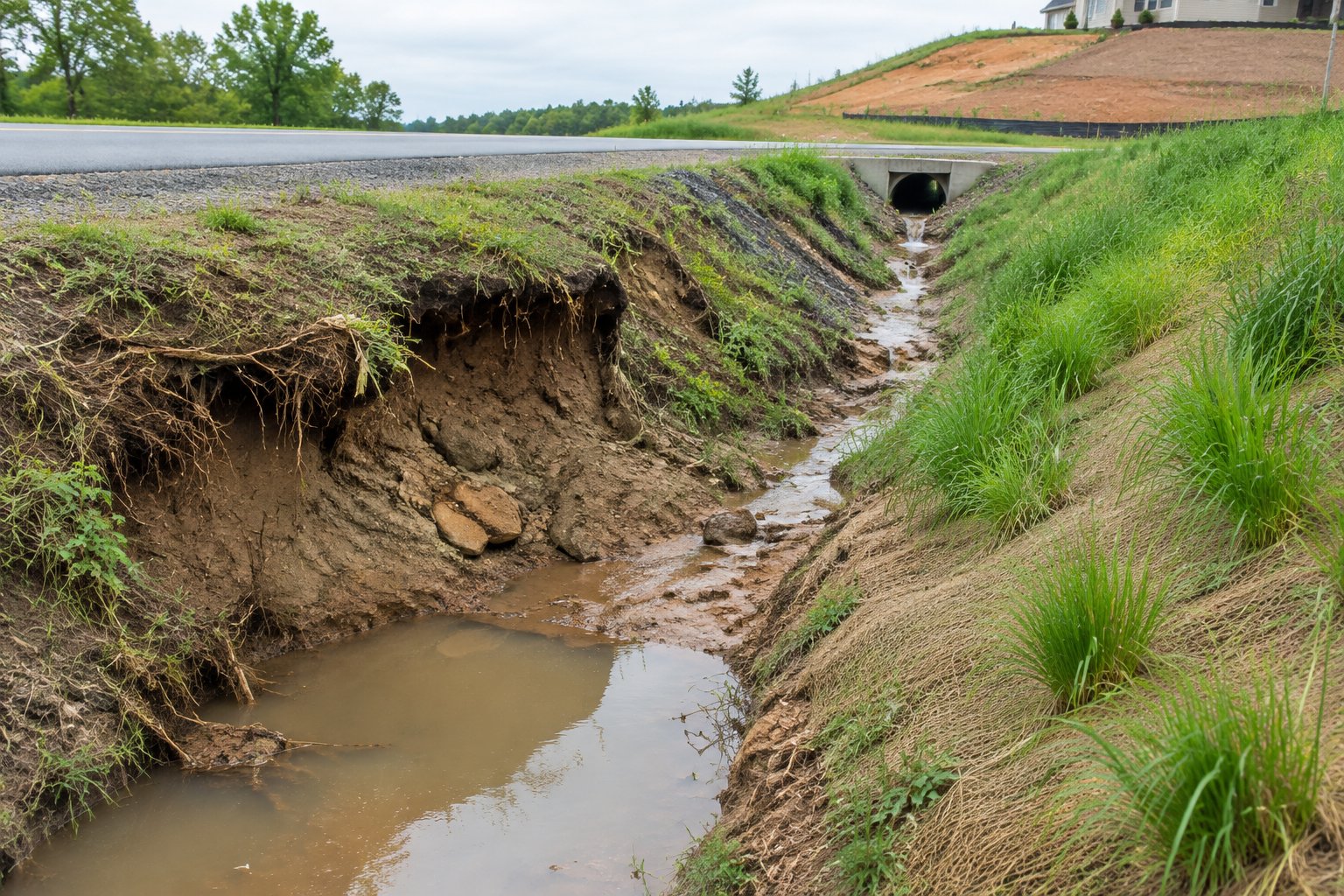
When the first storm hits a 2:1 cut and the mulch slides to the bottom, the seeds go with it, and the slope is back to dirt before anything roots. Standard hydraulic mulch often washes away before seeds get a chance, and on the Gulf Coast that means a stormwater violation, permit headaches, and costs nobody planned for.
A bonded fiber matrix changes the math for contractors and engineers working exposed Texas and Gulf South sites.
At Allied Hydromulch TX, LLC, we have been applying bonded fiber matrix systems on steep slopes, high-flow channels, and tough industrial sites across Texas, Louisiana, Oklahoma, and New Mexico since 1990. With over 15 million square feet installed in 2025 and a long track record of satisfied clients, what follows comes straight from the field.
So how does a bonded fiber matrix actually work on active construction sites? Where does it beat conventional hydroseeding or rolled products?
And how do you pick the right system for your project's slopes, schedule, and stormwater rules? Let's walk through what actually happens out there, not just what looks good on paper.
What a Bonded Fiber Matrix Does on Active Job Sites
When you spray on a bonded fiber matrix (BFM), it grabs onto bare soil and forms a tough, erosion-resistant layer within hours. Regular hydraulic mulch just sits on top, but BFM uses thermally processed fibers and special tackifiers to create a mat that stands up to rain, wind, and sheet flow, while keeping seed right where it needs to be, pressed into the soil.
Active job sites are messy. Grading, trenching, or pad work leaves big patches of exposed dirt. BFM gives immediate surface protection and sets up the right conditions for grass to take hold. This really matters on Texas sites where a single rain can bring out inspectors and where do-overs are expensive.
How Fiber and Tackifier Create a Continuous Protective Layer
The real difference between BFM and regular hydromulch starts with the tackifier. Standard hydromulch uses a water-soluble binder, usually guar gum, that stops sticking once it gets wet. BFM uses cross-linked tackifiers that cure into a water-resistant bond, locking fibers to each other and to the soil.
After it dries, you get a flexible, breathable blanket that acts like a rolled product but fits all the bumps and dips that blankets can't cover. This fiber-to-fiber bond keeps the mulch from lifting or blowing away during heavy rain, something regular slurry just can't do on steeper slopes.
The way the fibers interlock also helps trap moisture at the soil surface, which is huge for seed germination. It stretches out the time between rain or irrigation, giving seeds a better shot at breaking dormancy and rooting in.
Why BFM Supports Both Immediate Protection and Long-Term Revegetation
Once BFM cures, usually within a day or two depending on the weather, the site has real erosion protection. That's critical in Texas, where stormwater pollution prevention plans say you have to stabilize slopes within 14 days of grading.
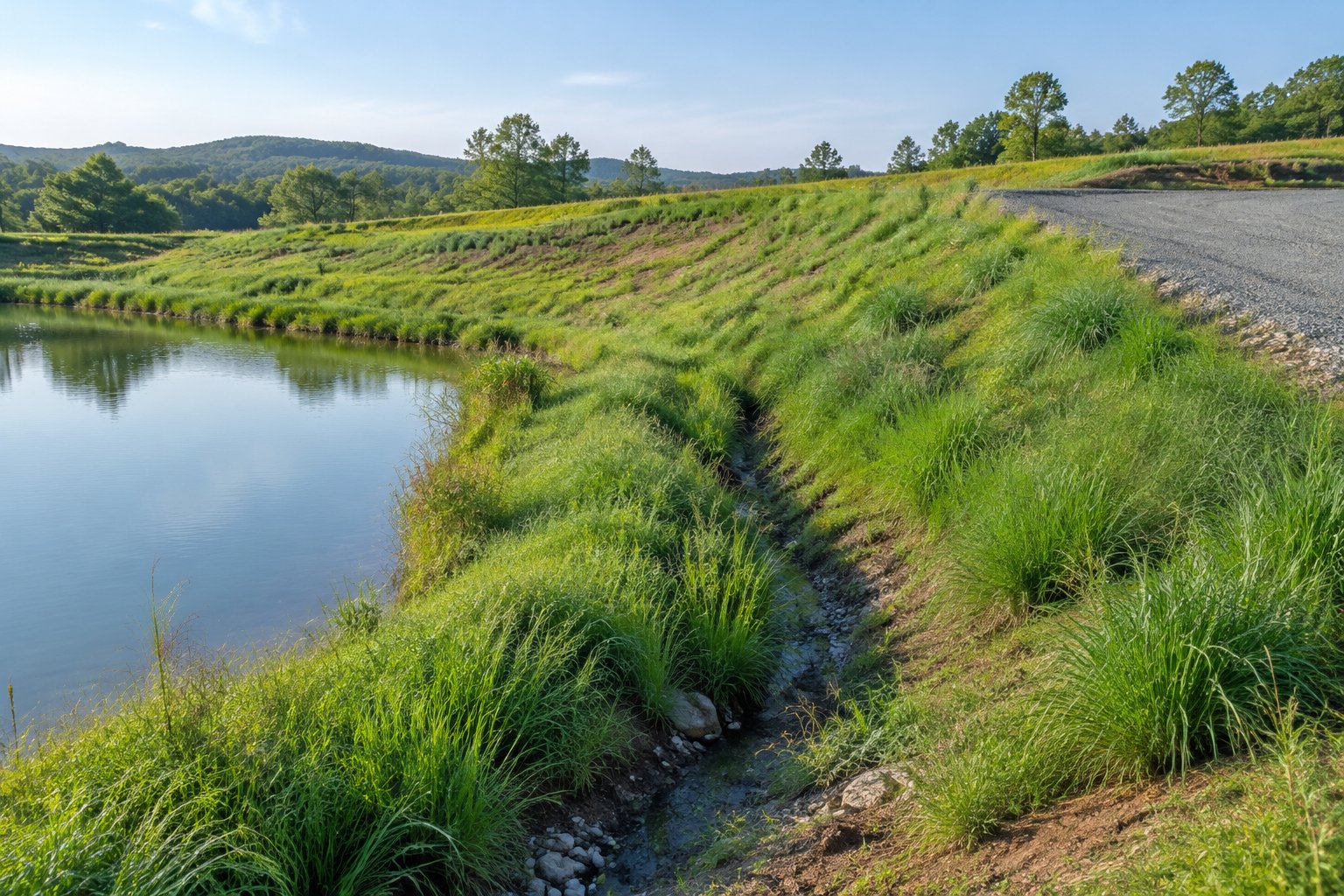
The same matrix that keeps sediment in place also gives seeds a stable, moist microclimate. Seeds stay put instead of washing into low spots or blowing away. Typically you'll see germination start within a week or two, and the matrix slowly breaks down as grass takes over, so you get continuous protection during the whole establishment period.
How BFM Differs From Standard Hydroseeding and Hydromulch
You use the same hydroseeder to put down BFM or regular hydromulch, but that's about where the similarities end. The way BFM bonds, its materials, and its ability to resist erosion are all on another level, and that makes the difference between surviving the first storm and having to redo the job.
The Mechanical Difference Between Conventional Slurry and Bonded Coverage
Standard hydroseeding sprays a mix of seed, mulch (wood or paper), fertilizer, and a light tackifier. The mulch just sits on top, shading and holding a bit of moisture. On flat or gently sloped ground, 4:1 or less, that's usually enough for getting fast grass on big commercial sites.
BFM replaces that loose layer with a network of fibers bonded by cross-linked tackifiers. It forms a mat that holds together under fast-moving water and heavy rain. You'll usually apply 3,000 to 4,000 pounds per acre of BFM on moderate slopes, compared to 1,500 to 2,000 pounds for standard hydromulch. That extra material and stronger chemistry mean BFM works more like a blanket than a sprayed mulch.
Typical Germination and Establishment Timelines Contractors Should Expect
With the right conditions, seeds in a BFM usually start germinating within a week or two. The matrix keeps the soil surface moist longer, which can mean better germination than standard hydromulch in the same weather.
For warm-season grasses common in Texas and the Gulf South, you'll generally see solid coverage in four to six weeks.
BFM holds the line on erosion for that whole establishment window. It breaks down slowly, usually sticking around for two to three months depending on how much you put down and the weather. That means one good application bridges the gap between bare dirt and established grass, without extra steps on most jobs.
If you're working with native grasses that take a couple of months to fill in, BFM's longer protection really pays off. It keeps everything in place while those slower species get established.
When Site Conditions Justify a Higher-Performance Erosion Control Product
Not every job needs BFM. Flat pads, gentle commercial lots, or spots with easy irrigation often do fine with standard hydroseeding. The choice to use BFM should come down to slope, water flow, soil, rainfall, and permit requirements, not just because it sounds impressive.
Steep Slopes, High-Velocity Flow, and Disturbed Soils Across Texas and the Gulf South
When you're looking at slopes steeper than 3:1, that's usually a sign you need something stronger. Standard hydromulch on a 2:1 slope, like along a Texas highway or industrial site, often fails during the first big rain. Once the mulch moves, so does the seed, and then you're back to square one.
Gulf Coast sites have their own set of headaches. Heavy rain, especially during hurricane season, can dump inches of water in no time.
Clay-heavy soils around Houston and Southeast Texas don't absorb water quickly, so you get fast surface flow that blows right through unbonded mulch. Here, BFM gives you the erosion resistance to keep soil and seed in place until grass takes over.
BFM makes sense when you're dealing with:
- Slopes steeper than 3:1, especially on clay or sandy cuts
- Drainage channels, swales, and places with concentrated runoff
- Graded pads exposed to rain before grass can cover
- Projects with active stormwater permits needing erosion control on active job sites
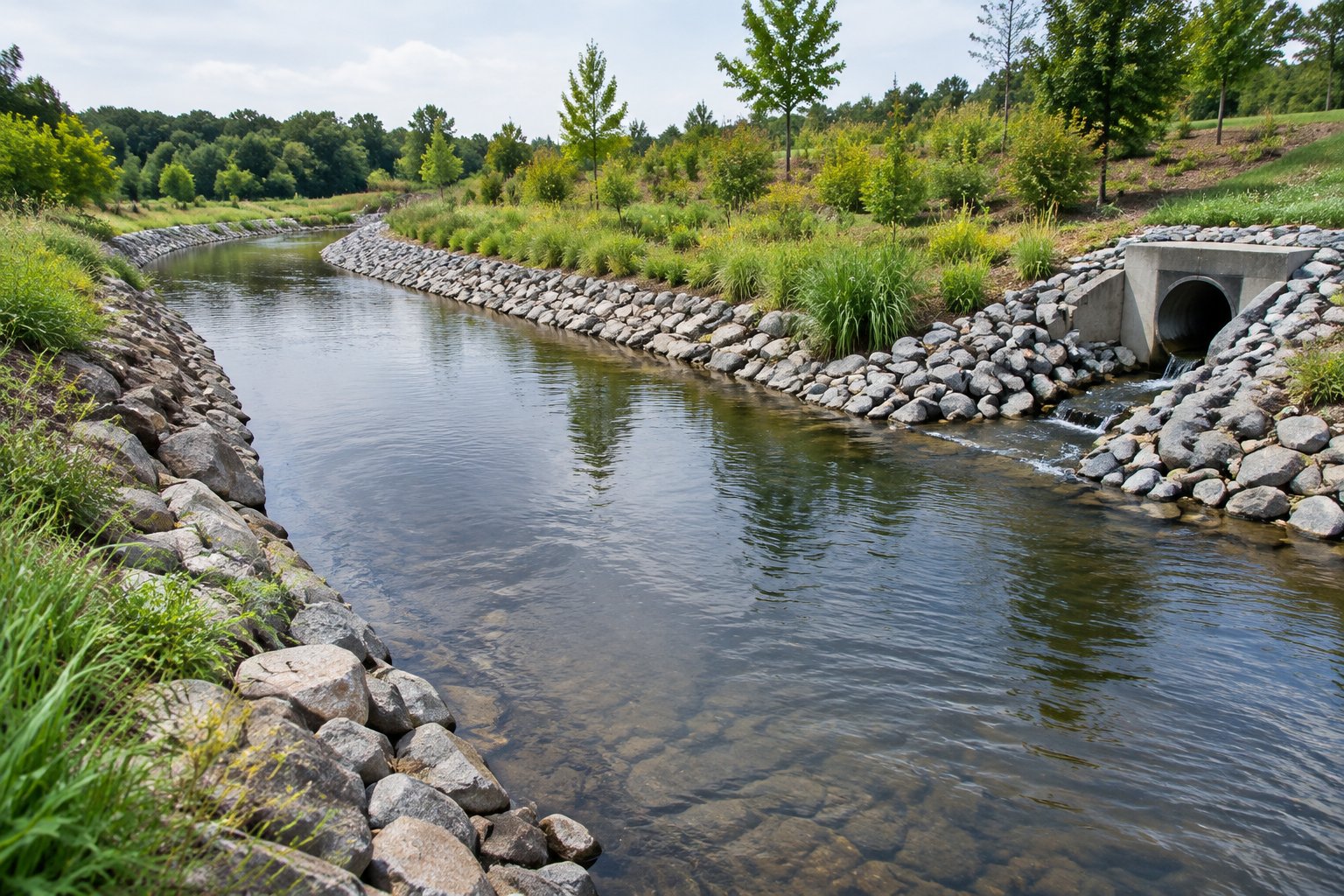
- Sites near waterways, wetlands, or sensitive areas
- Highway embankments and TxDOT right-of-way projects with specific stabilization specs
Where Temporary Soil Stabilization Is Not Enough
Short-term measures like silt fence, straw, or light mulch are just meant to catch sediment after it moves. BFM stops soil from moving in the first place, a totally different approach.
On jobs where stormwater violations aren't an option, relying only on temporary fixes leaves you exposed. Inspectors checking construction stormwater BMP compliance expect to see real stabilization, not just containment. Using BFM and documenting it in your stormwater plan shows you're actively stabilizing, not just waiting for grass to come in.
Where Rolled Products and Premium Hydraulic Systems Fit in the Mix
Bonded fiber matrix hits a sweet spot between standard hydromulch and rolled erosion products. Knowing when to use each keeps you from overspending on flat ground or underestimating what's needed for critical slopes.
When Erosion Control Blankets or Turf Reinforcement Mats Make Sense
Rolled erosion control blankets and turf reinforcement mats get installed directly on the soil, usually staked or stapled in place. These products offer tough, mechanical erosion resistance, which makes them a solid choice for permanent channel linings, the steepest slopes, and spots dealing with steady, high-velocity water flow.
The catch is labor and time. Rolled blankets and mats need hands-on installation, and that can drag out the process on steep or uneven terrain. Crew costs go up, production slows, and mobilization takes longer. A 2:1 embankment along a highway can get covered much faster with a hydraulically applied BFM. But if you're dealing with a near-vertical retaining wall or a drainage channel built for heavy storm flow, a turf reinforcement mat, bolted and pinned down, is the way to go.
Blankets made from straw, coconut fiber, or blends handle moderate slopes well, especially when you just need temporary cover until grass takes hold. They break down naturally over a year or two. Turf reinforcement mats stick around for good. They're synthetic and meant to reinforce vegetation long after it's established.
How Flexible Growth Medium and Engineered Fiber Matrix Compare
Flexible growth medium (FGM) and engineered fiber matrix (EFM) products sit above standard BFM in performance. Flexterra is a popular FGM in Texas, bridging the gap between a basic BFM and a rolled blanket by mixing in crimped, interlocking synthetic fibers. The result is a spray-applied product that delivers blanket-level erosion protection on severe slopes, without the hassle of rolling, staking, and pinning.
EFM lands between BFM and FGM in performance. It uses longer, more structured fibers than standard BFM, but skips the crimped synthetic reinforcement you get in a true FGM. On most Texas commercial projects, the choice really comes down to how steep the slope is and what the budget looks like. It helps to have someone who will look at your actual site instead of reading off a product sheet.
Application Planning, Cost Tradeoffs, and Field Performance
Picking the right bonded fiber matrix for the job is only half the battle. If you don't get the application rate, cure timing, and schedule lined up, you can end up with bare patches and extra work.
Coverage Rates, Cure Windows, and Re-Application Risk
BFM application rates usually run between 3,000 and 4,000 pounds per acre on slopes from 3:1 to 2:1. If you're tackling steeper slopes or dealing with high-flow areas, you'll likely need 4,000 to 4,500 pounds per acre to get enough fiber down. Most field failures happen because folks try to save money and skimp on material, not because the product can't handle it.
Cure time is the big window to watch. BFM needs 24 to 48 hours of dry weather after spraying to really set up. If rain hits before it's cured, it can wash right off. On the Gulf Coast, where afternoon storms are basically a summer ritual, it's smart to spray early in the day and keep an eye on the radar.
If you apply enough product and let it cure, you probably won't need to come back for a second round. A well-applied BFM on a 2:1 slope can handle several storms over 60 to 90 days, giving grass time to fill in without rework.
How to Match the System to Schedule, Inspection, and Stormwater Pressure
To line up erosion control with your project schedule, work backward from the next inspection or big storm. On a Texas commercial job with an active TPDES stormwater permit, avoiding permit holds means stabilization in place within 14 days of final grading on any slope.
Here is the usual breakdown:
- Flat to 4:1 slopes, low compliance pressure: Go with standard hydroseeding, cheaper and faster.
- 3:1 to 2:1 slopes, active stormwater permit: BFM gives you the resistance and documentation inspectors want.
- Steeper than 2:1, high-flow channels, critical compliance: FGM like Flexterra or a rolled product fits the bill.
- Permanent channel lining or extreme flow velocity: A turf reinforcement mat is the way to go for long-term stability.
BFM does cost more per acre than standard hydromulch, but if you factor in the risk of having to redo work or getting flagged for compliance, it often comes out ahead. One solid BFM application beats two rounds of hydromulch, plus the headaches of delays or violations. For a ballpark estimate on your site, try the online job price calculator, a good place to start before talking specifics in the field.
Frequently Asked Questions
When does a fiber-based erosion control blanket make more sense than a spray-on matrix on Texas jobsites?
Go with a rolled erosion control blanket when the slope is steeper than 1.5:1, the site needs permanent channel lining, or the water flow is too much for any hydraulic product. For 3:1 to 2:1 slopes where you want vegetation, a spray-applied BFM usually gives you the same protection, but with less labor and faster coverage.
What application rate do we spec per acre for steep slopes, channels, and flat grades?
For BFM, plan on 3,000 to 4,000 pounds per acre on 3:1 to 2:1 slopes. If you're working on channels or anything steeper than 2:1, bump that up to 4,000 to 4,500 pounds per acre. Flat areas don't usually need BFM; standard hydromulch at 1,500 to 2,000 pounds per acre does the trick.
How long does the surface stay bonded through heavy rain and wind before vegetation takes over?
If the BFM cures properly, it'll hold up for 60 to 90 days even with typical Texas storms. That's usually enough time for warm-season grasses to get established. As the roots grow, the matrix breaks down, and the grass takes over.
What drives installed cost per acre: slope, access, water source, and tackifier requirements?
Slope is the main factor. Steeper slopes mean more material and slower work. If your site is tough to access, far from water, or needs a special tackifier for the soil or rainfall, costs go up. Easier sites with moderate slopes and good access are always going to be cheaper per acre.
What equipment and crew setup is required to apply it efficiently on DOT and commercial sites?
You'll need a mechanical-agitation hydroseeder to mix and spray BFM. The jet-agitation machines you see on smaller jobs can't handle the thicker material. Typically, a two- or three-person crew with the right machine can cover 3 to 5 acres per day, though that depends on slope and water access.
How does performance compare to a standard hydromulch or hydroseed-only mix on erosion control and germination timing?
BFM beats standard hydromulch on slopes steeper than 4:1. It holds soil and seed better, so you get less washout and better germination. Seed usually sprouts in 7 to 14 days either way, but you'll see higher germination rates with BFM because it keeps seed in contact with moist soil. On flat ground, there's not much difference, so hydromulching for Houston sites is usually the more affordable pick.
Choosing the Right Matrix for Your Next Slope or Compliance Site
Bonded fiber matrix plays a specific role in erosion control. It gives you the protection standard hydromulch can't on steep slopes and high-flow spots, but without the slowdowns of installing blankets. In Texas and the Gulf South, where stormwater permits, tight inspections, and unpredictable weather are all part of the game, it's often the most practical way to hit compliance and get grass growing fast.
Choosing the right product for your site is what keeps you from having to redo work or chase failures. Whether you need hydroseeding on flat pads, BFM on a 2:1 cut, or Flexterra on a tough grade, it all starts with an honest look at the ground in front of you.
Allied Hydromulch TX, LLC has been making those calls on Texas and Gulf South sites since 1990. Check the online cost estimator for a ballpark number, or call 281-482-8212 to talk it through with someone who has seen just about every condition out there.