.svg)


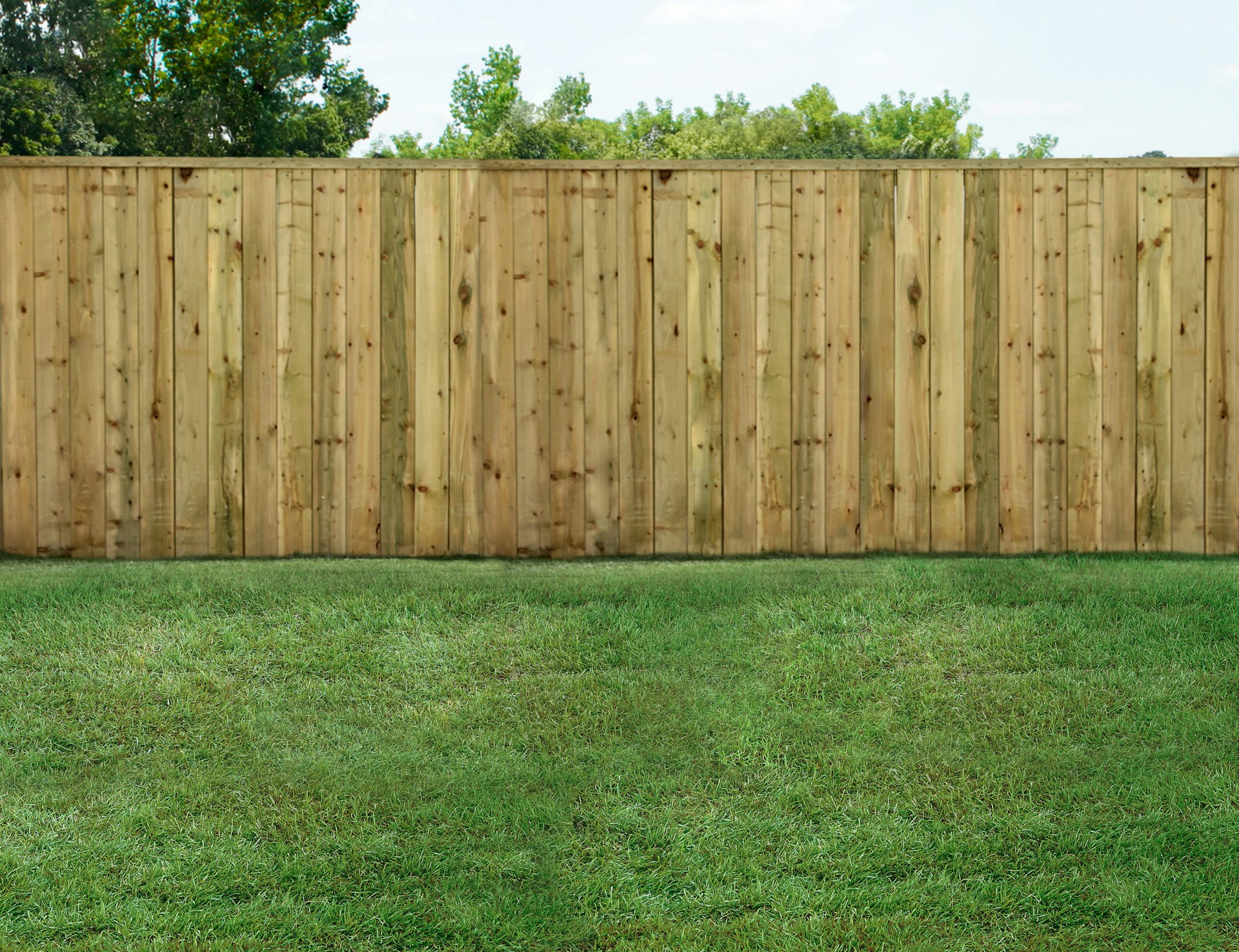
One muddy discharge past the property line is all it takes for a stormwater inspector to write up a site, and the fines that follow make prevention look cheap.
That is the job a silt fence is built to do. It's a temporary barrier made from porous geotextile fabric stretched between stakes along the downslope edge of disturbed soil. The fence intercepts runoff, ponds it long enough for sediment to settle, and keeps that material on site.
But knowing what a silt fence is doesn't mean you'll pass inspection. Knowing when it's enough, and when you need hydraulic mulch, blankets, or stabilizers, is what separates a smooth inspection from a red-tagged headache.
Around Texas and the Gulf South, with all the clay soils, heavy rain, and steep grades, that difference matters on almost every job.
Let's get into how silt fence works as perimeter control, where it's required, the installation details that actually matter, what causes failures, and when you'll need more than fence to keep your site in compliance. This isn't just theory. It's what actually happens on jobsites across Texas and the Gulf Coast.
How Silt Fence Works as Perimeter Control
Silt fence acts as a temporary sediment control tool placed along the low edge of disturbed ground. It slows down muddy runoff so heavier soil particles drop out before water seeps through the fabric. The fence doesn't filter water clean. It ponds it, lets gravity do the work, and keeps more sediment from leaving the site.
How Sediment Settles Behind the Barrier
When stormwater carrying soil hits the fabric, flow slows down. Water pools up on the upslope side, and heavier material- sand and silt mostly- settles out in that ponded area. According to silt fence sediment capacity guidance, a 100-foot run of silt fence can hold up to 50 tons of sediment during a project.
Clay particles, which show up all over Houston and the Gulf Coast, settle much more slowly. So fences on clay need more ponding area and extra distance from active grading. If you install the fence too close, it'll overflow before sediment can settle.
Sediment builds up against the upslope side. Once it piles up to about a third to half the fence height, the fence stops working well. Someone needs to clean it out or move the fence before the next rain.
Why Silt Fence Is for Sheet Flow, Not Concentrated Water
Silt fence is built for sheet flow, the thin, even layer of runoff that spreads across a surface. It can't handle concentrated flow from ditches, channels, or pipes. Setting up a silt fence across a swale or channel is a common mistake in Texas, and it usually fails fast.
Sheet flow moves slowly enough for the fabric to pond water without blowing out. Concentrated flow, though, has enough force to undercut the base, knock over stakes, and rip fabric in one storm. If you've got concentrated flow, you'll need check dams, sediment basins, or slope stabilization built for that kind of energy.
Where Silt Fencing Fits in a SWPPP
Any Texas construction site disturbing an acre or more needs a stormwater pollution prevention plan (SWPPP). Silt fence is one of the most common sediment controls in a SWPPP. It's cheap, quick to set up, and works for flat or moderate slopes.
The erosion and sediment control BMP framework separates erosion controls, which keep soil in place, from sediment controls like silt fence, which catch soil after it moves.
SWPPPs usually call for silt fence at boundaries, around inlets, and along the toe of exposed slopes. It's a reactive defense. For jobs aiming for vegetation or surface stabilization, erosion controls like hydroseeding or hydraulic stabilizers work upstream to keep soil from moving in the first place.
Where Silt Fence Is Required and Where It Makes Sense
Silt fence is required when a SWPPP or permit calls for perimeter sediment control on a disturbed site. Whether it's the right choice depends on slope, soil, drainage, and how much runoff the fence will see.
Common Trigger Conditions on Construction Sites
Most Texas permits require a silt fence as soon as grading starts on parcels over an acre. Practically, you'll need it when you've got:
- Exposed soil within 50 to 100 feet of a property line, road, or storm drain
- Flat to moderate slopes, 3:1 or gentler, draining off-site
- Stockpiles where loose material could wash away
- Areas near concrete washouts, staging, or access roads
- The perimeter of retention pond construction before final stabilization
Steep grades or channelized drainage usually call for wire-backed or super silt fence instead of the standard stuff. Those reinforced fences handle more pressure, but still can't stop concentrated flow.
Site Factors That Drive the Need for a Barrier
You don't need a fence around every inch of a site. A good assessment finds the spots where sediment is most likely to escape and matches the barrier to the actual conditions.
Soil type makes a bigger difference than most specs admit. Gulf Coast clays send out muddy runoff with fine particles that stay suspended longer. A sandy loam site near Pinehurst acts nothing like a clay-heavy cut in Houston.
Fence placement, setback, and ponding area all need to fit the soil you're actually dealing with.
Texas and Gulf Coast Compliance Considerations
Texas stormwater permits run through TCEQ, and highway sediment control specs apply to TxDOT and infrastructure work. Both require silt fence fabric and installation to meet certain standards. TxDOT pre-qualifies silt fence fabric through DMS-6230 and only allows approved products on its projects.
Gulf Coast jobs face extra risk because storms often bring more rain than a standard fence can handle. Sites near Corpus Christi or along I-10 between Houston and Beaumont can get 3 to 5 inches in a single event.
If a SWPPP relies only on silt fence for those sites, the inspector will probably call it out. High-exposure sites usually need layered controls, perimeter barriers plus surface protection. But even the best plan falls apart if the fence isn't installed right.
Installation Basics That Determine Performance
Silt fence only works if you install it correctly. Fabric choice, stake depth, trenching, and backfill quality all make the difference between a fence that holds up in a Gulf Coast storm and one that flops in the first downpour.
Layout Along the Contour and Downslope Edge
Follow the site's contour lines, not just the property line. If you run the fence straight across slopes, you'll get low spots where water concentrates and blows right past the barrier. The fence should curve with the land, so water hits the whole length at about the same depth.
Long runs need return ends, short sections that angle upslope at each end. Without returns, water just runs around the open ends and takes sediment with it. Each return should go far enough upslope that ponded water can't sneak around.
Key Materials and Anchoring Details
The basics are simple: woven or nonwoven geotextile fabric, hardwood or steel stakes, and something to anchor the fabric below grade. Pick fabric based on your soil and flow:
- Woven geotextile: Higher flow-through, better for sandy soils needing quick drainage
- Nonwoven geotextile: Finer pores, better for silty or clay soils where you want more ponding
- Hardwood stakes: Standard for most jobs; 2x2-inch, at least 36 inches long
- Steel T-posts: Use on rocky ground or for wire-backed fence where wood won't drive deep enough
- Wire backing: 14-gauge or heavier, attached to the upslope side; good for steeper slopes or high-flow perimeters
Drive stakes at least 12 inches into firm soil. 18 inches is the norm on Texas commercial sites. Shallow stakes are the number one reason fences collapse in storms.
Backfilling, Support Spacing, and Fabric Tension
Bury the bottom edge of the fabric in a trench; don't just lay it on top. Dig a trench 6 to 8 inches deep and 6 inches wide on the upslope side. Drop the fabric in and backfill with compacted native soil or gravel.
If you skip trenching or leave loose backfill, water and sediment will sneak underneath. You won't spot this failure until after a rain, when you see a line of eroded soil downslope of the fence.
Leave a little slack in the fabric between stakes so it can flex under pressure. If you pull it drum-tight, all the force goes to the stakes and seams, and they'll give out before the soil does. Standard post spacing is 6 feet; go tighter, 4 feet, for wire-backed fence or steep slopes. Now, what usually goes wrong after installation?
Common Failure Points and Maintenance Issues
Most silt fence failures don't come down to the product. They come from poor installation, skipped inspections, or ignoring small problems until they turn into big ones.
Undercutting, Overtopping, and Bypass Flow
Undercutting kicks in when the bottom edge of the fabric isn't trenched and backfilled well. Water sneaks underneath, grabs sediment, and carves out a channel that just gets worse with every storm. Once that undercut starts, it's tough to get things back under control in that section.
Overtopping shows up when water ponds and spills over the top of the fabric. Usually that's because the drainage area is too big, sediment has piled up, or the fence sits too low. On the Gulf Coast, quick thunderstorms can dump inches of rain in an hour, so overtopping is expected. The SWPPP should include extra controls.
Bypass flow happens when water finds its way around the ends of the fence, often because return ends are missing or the fence doesn't follow the contour. All three of these issues send sediment off-site, creating the exact problem you were trying to avoid.
Sediment Buildup and Inspection Intervals
Remove sediment before it reaches about one-third to one-half the above-ground height of the fence. The silt fence inspection and maintenance standard calls for removal before it gets that high and requires inspections at least every 14 days, and within 24 hours after any rainfall of half an inch or more.
On Texas jobsites, that means you're out there inspecting pretty much every week during storm season.
Skip an inspection or put off cleaning out sediment, and you'll probably get a TCEQ violation notice. Inspectors check the fence, but they're also looking for inspection log entries. If the log is missing entries, that's a compliance problem, even if the fence itself looks fine.
When Improper Installation Creates Bigger Drainage Problems
A poorly installed silt fence doesn't just sit there failing quietly. It can reroute water, cause unexpected ponding, and erode spots that were stable before. A classic Texas mistake is installing a fence across a natural low spot. Water ponds, the ground turns to mush, and suddenly grading or paving gets delayed because the area's too soft.
When fences collapse in a storm, they can block site roads, dam up debris, and create headaches for equipment operators. These issues slow down the schedule and rack up costs fast. So is silt fence always the right answer? Sometimes it's just not the tool for the job.
When Silt Fence Alone Is Not Enough
Silt fence works as a perimeter sediment barrier, but it doesn't solve every erosion issue. On steep slopes, areas with concentrated drainage, or spots that need quick vegetation, you'll need more: surface protection, soil stabilization, or engineered sediment capture.
Slopes and Channels That Need More Than a Perimeter Barrier
Slopes steeper than 3:1 send runoff down fast enough to blow right past a silt fence. Water hits the fence with too much energy to settle out sediment, so it just overtops or undercuts. Channels, pipe outlets, and swale junctions focus flow that no fabric barrier can really hold back.
On these sites, the problem starts on the slope, not at the edge. Keeping soil in place from the start works better, and is less of a hassle, than trying to catch it after it moves. That means dealing with the slope face and lining channels before trusting a fence at the bottom.
How Wattles, Sediment Basins, and Vegetative Buffers Help
Straw wattles, fiber rolls, and sediment basins each tackle specific conditions where a silt fence falls short:
- Straw wattles and fiber rolls: Lay these along slope contours to slow runoff before it reaches the perimeter. Good for moderate slopes where a silt fence alone would get overwhelmed.
- Sediment basins: Ponding areas that trap big volumes of sediment-laden water from drainage areas too large for a fence. Many Texas sites over five acres need these by code.
- Vegetative buffers: Strips of grass or native plants that filter runoff and keep soil in place. If you're aiming for quick vegetation on big commercial jobs, hydroseeding the buffer zone gets you a working filter faster than waiting for natural growth.
All these measures work upstream of the silt fence, so the fence doesn't have to do all the heavy lifting.
When Hydraulic Mulch, Soil Stabilizers, or Blankets Are the Better Fit
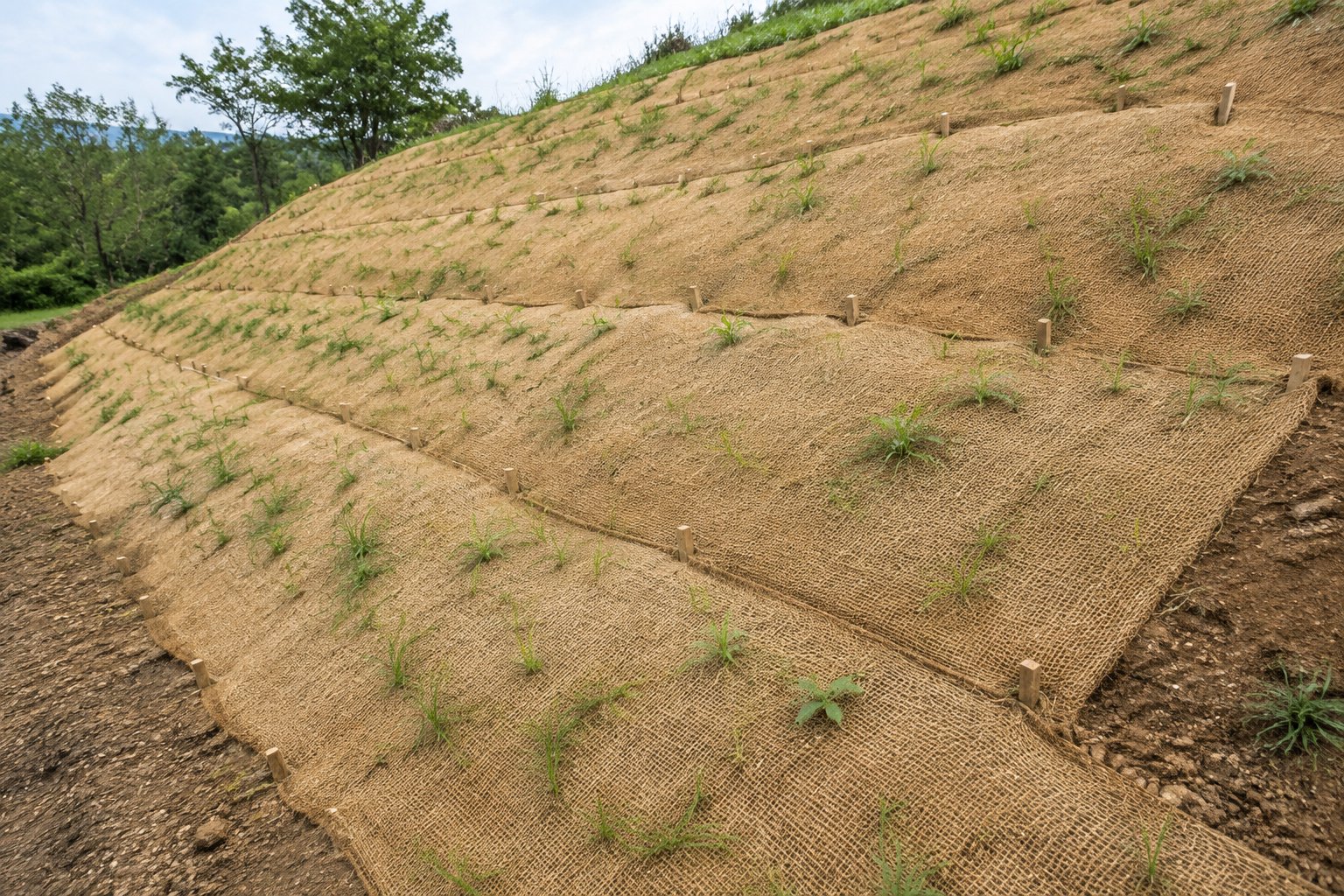
For slopes or disturbed soil where permanent vegetation matters, surface-applied erosion controls work better than perimeter barriers. Hydraulic mulch sticks to the soil, keeps moisture in for seed germination, and shields against raindrop impact.
On steep slopes where regular mulch fails, something like Flexterra bonds tightly and resists erosion in a way a silt fence never could. Erosion control blankets cover exposed soil on channel banks, steep cuts, and around culvert outlets, places where flow would rip right through a fence.
These surface controls cut down on sediment reaching the fence and make it more likely you'll pass a stormwater inspection the first time. The right approach depends on slope, soil, and compliance needs, which is usually what comes up in the field.
Frequently Asked Questions
When do you need perimeter sediment control on a Texas jobsite?
Any Texas construction project disturbing an acre or more needs a SWPPP, and that almost always means perimeter sediment control like a silt fence. Smaller jobs might also need controls if local rules say so. The requirement starts with grading and runs until the site hits final stabilization, usually 70% vegetative cover.
How does a sediment barrier keep runoff from carrying soil off a disturbed area?
The fabric slows down runoff, creating a ponding area on the upslope side. Heavier soil particles settle out before the water seeps through. The barrier doesn't filter water perfectly. It gives gravity a chance to drop out some sediment.
What are the common fabric and post options, and where does each make sense?
Woven geotextile works for sandy soils where faster flow is okay. Nonwoven geotextile fits clay or silt soils that send finer particles downstream. Hardwood 2x2 stakes are the go-to for most jobs, while steel T-posts are better in rocky ground or when you need extra support. Wire-backed silt fence adds strength for steeper slopes or bigger drainage areas.
What's the correct installation detail for trenching and backfilling the bottom edge?
Dig a trench 6 to 8 inches deep along the upslope side. Drop the bottom flap of fabric in, then backfill with compacted native soil or gravel. Compacting the backfill keeps water from sneaking under the fence. Skipping this step is the number one reason fences get undercut.
What drives the installed cost of silt fence on a Texas site?
Installed cost varies with fabric type, post material, wire backing, site access, and soil conditions. Rocky ground, long runs with extra return ends, and wire-backed specs all push the price up. Maintenance and sediment removal are extra and often left out of the first bid, so factor them in when you compare numbers.
What are the most common inspection and maintenance failures that lead to washouts?
The main problems are waiting too long to remove sediment, letting it pile up past half the fence height, skipping trench-and-backfill, and not having proper return ends, so water just flows around. Missed inspection log entries make it worse, since inspectors treat missing paperwork as a violation, even if the fence itself looks fine.
Silt Fence Is Just the Starting Line for Site Protection
A silt fence is a basic, affordable perimeter control on most Texas construction sites. It catches sediment at the edge but doesn't stop erosion on slopes, establish permanent vegetation, or stand up to the kind of intense Gulf Coast rain that can overwhelm temporary barriers. The sites that pass inspection reliably are the ones that add surface stabilization, hydraulic mulch, or erosion blankets, not just fabric and stakes.
If you're looking for erosion control for active Texas jobsites, hydroseeding, soil stabilizers, or Flexterra applications upstream of the silt fence, Allied Hydromulch TX, LLC has tackled those challenges across Texas and the Gulf South since 1990. Call 281-482-8212 for a quick project quote, or try the online cost estimator to get a ballpark number before you start planning.