.svg)


On a Texas construction site, a bare slope waits for nothing. Each day without vegetation is another chance for a stormwater violation, a failed inspection, or an erosion event that throws your schedule off and racks up costs.
General contractors and developers know that picking the wrong hydroseeding contractors can turn a simple vegetation job into a real headache.
Since 1990, Allied Hydromulch TX, LLC has handled projects across Texas and the Gulf South. With millions of square feet of mulch installed and a long list of satisfied clients, we have seen what works and what doesn't when it comes to commercial-scale hydroseeding.
That kind of experience makes a difference, especially when the wrong crew can mean permit delays, patchy grass, and extra mobilization costs you didn't plan for.
So how do you spot a reliable hydroseeding contractor before you sign anything? What sets a field-ready crew apart from someone just looking to underbid? And how do you match seeding methods to your site's conditions and deadlines?
Here is what three decades in the field, not just theory, have taught us about getting it right in Texas, Louisiana, Oklahoma, and New Mexico.
What's Really at Stake With the Wrong Crew
One bad hydroseeding job can spiral into weeks of delays, compliance headaches, and surprise costs. These aren't just what-ifs. They show up as remobilization bills, violation notices, and permit holds that stall the whole project.
Failed Germination Means Rework and Delays
If seed doesn't take or mulch doesn't stick, bare patches pop up, and you're looking at a second application. That means hauling equipment back, buying more materials, and losing at least another week or two before you see any green. On a big site, that delay can easily push final inspections past the permit window.
Rework isn't just a nuisance. It's usually a sign of something deeper. Maybe the crew skipped soil prep, picked the wrong seed mix, or applied at the wrong rate. If those issues don't get fixed, the second try probably won't work either. Costs add up fast.
Stormwater Trouble on Slopes and Drains
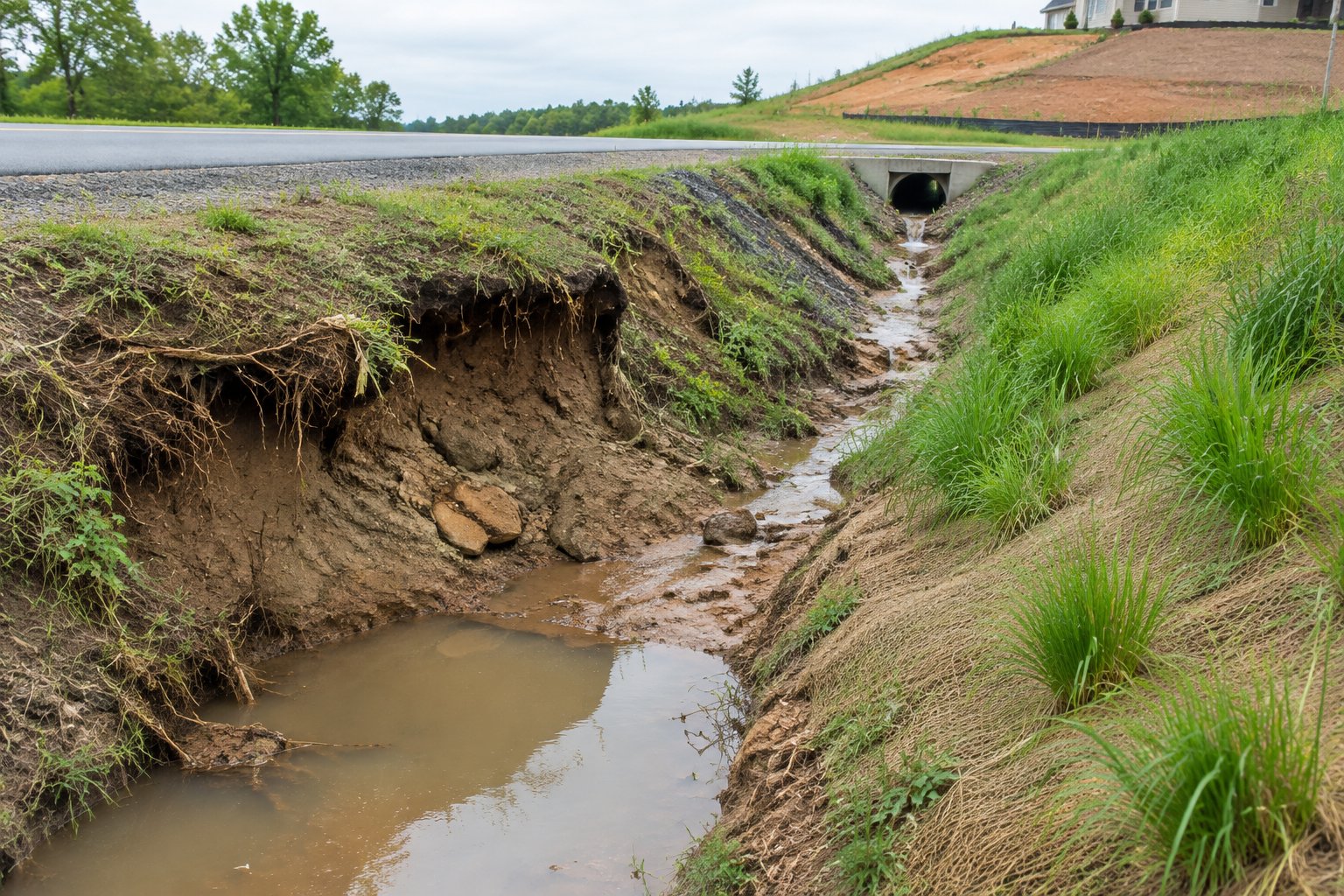
Exposed dirt near drains, silt fences, or retention areas is just asking for compliance trouble. If seeding fails, these spots stay unprotected when it rains. Sediment gets into the stormwater system, and suddenly you're looking at a Texas Pollutant Discharge Elimination System violation under the Texas construction general permit (TXR150000).
Steep slopes, anything steeper than 3:1, are especially tricky. Without the right mulch or blankets, even a moderate rain can wash everything downhill, mess up wattles and inlet protection, and leave sediment everywhere you don't want it.
Why Low-Bid Services Miss the Mark
Cheapest isn't always best. Low-bid hydroseeders usually quote by square footage and ignore slope, soil, drainage, or timing. In Texas, those details matter. Clay soils in Houston act nothing like sandy loam on the coast, and both change with the weather.
Some crews show up with a single-tank hydroseeder and no backup for blankets, stabilizers, or custom seed mixes. They'll struggle with anything that isn't flat and easy. Fixing their mistakes almost always costs more than whatever you saved on the bid.
How To Vet Hydroseeding Contractors Before You Sign
The best hydroseeding contractors stand out in three ways: they know Texas soils and weather, they keep a steady crew, and they own the right equipment. Checking these boxes before you sign protects your schedule and budget.
Experience With Texas Soils and Weather Swings
Crews with real Texas experience know soil and weather can change block by block. Clay in Houston holds water and makes root growth tough. Sandy soils near the coast drain fast and need different mulch rates. And on a hot summer day, bare soil surfaces can climb well past 130°F, enough to fry new seed in two days if you don't have proper mulch down.
Rainfall is another wild card. The Gulf Coast might get six inches in one storm, while Central Texas can go weeks bone dry. A good contractor tweaks seed mix, mulch, and rates to fit these realities, not just whatever's on the spec sheet.
Consistent Crews and Ready Equipment
Find out who will actually be on your site. Contractors who rely on temp labor or sub out their own work bring quality risks. A seasoned crew that has worked together on similar jobs will spot issues and adapt on the fly. A pickup crew won't.
Equipment matters too. Big jobs need high-capacity hydroseeders, mulchers, and sometimes drill seeders. If a contractor has to rent or borrow gear, you're probably in for a delay.
- Crew tenure: Ask how long the lead operator and main crew have been with the company.
- Equipment ownership: Make sure they own their hydroseeders and other machines, rather than renting per job.
- Mobilization window: Get a real timeline for when they'll be on site. Crews ready in days, not weeks; keep your job moving.
- Multi-service capability: Check if they handle blankets, stabilizers, and soil prep, not just spraying seed.
Questions to Ask About Similar Jobs
Before you award the work, get references for projects like yours, with the same site type, acreage, and compliance needs. A crew that has handled a 200-acre commercial site has a different skill set than someone who has only done residential lawns.
Ask about germination results, not just whether they showed up. Did grass establish in the 7 to 14 day window? Was rework needed? Did they handle stormwater BMPs, or just seed and go? These answers tell you if they're specialists or just chasing low bids.
What Matters Beyond Just Spraying Seed
Good hydroseeding contractors do more than show up with a tank of slurry. The right scope includes soil prep, the right stabilization products for slopes and drains, and the judgment to recommend another method when hydroseeding isn't the answer.
How Hydroseeding Actually Works
It starts with prepping the site: grading, clearing debris, and loosening compacted dirt so seed can actually grow. Then a mix of seed, mulch, fertilizer, tackifier, and conditioners gets sprayed over the area. The mulch keeps moisture in, shields seed from the sun, and cuts down on erosion while the grass establishes.
On a typical commercial site, you'll usually see sprouts in a week or two and a full stand of grass in about a month, depending on weather and irrigation.
Mulch selection is crucial. Standard wood-fiber mulch works for flat or gentle slopes, but steeper or rougher ground needs something tougher, like a bonded fiber matrix or Flexterra. Knowing when to use which product is what separates pros from the rest.
Soil Stabilization for Slopes and Disturbed Areas
Steep slopes, cut-and-fill zones, and exposed channels need more than seed and mulch. Erosion blankets, hydraulic stabilizers, and advanced mulch systems all have their place, depending on slope, soil, and how much rain you expect.
The right tool for the job makes all the difference. Contractors who offer all these options, and actually pick based on a site walk instead of a default, help you avoid the kind of failures that waste time and money. For a deeper look at when bonded fiber matrix outperforms standard mulch, it's worth reading before you finalize your scope.
When Native Grass, Drill, or Wildflower Seeding Is Better
Hydroseeding isn't always the best fit. Environmental restoration, TxDOT roadsides, and reclamation projects often need native grasses that take longer to establish but handle drought and require less upkeep. These mixes follow state DOT specs and develop deep roots over a few months.
Drill seeding works better for fast vegetation on large commercial sites and corridors where you want minimal surface disturbance. Wildflower seeding is great for pollinator habitats, parks, or commercial sites that want seasonal color and less mowing.
Contractors who offer all these services, and actually recommend what fits your site instead of what they have on the truck, are worth keeping on speed dial. But even the best method can flop if the seed mix and soil prep aren't right.
Seed Mix, Soil Prep, and Getting Grass to Grow
Seed choice and soil prep are make-or-break. No amount of mulch will save the wrong species, planted at the wrong time, into unprepared ground.
Why Site Prep and Soil Matter Most
Compacted soil from heavy equipment or grading blocks seeds from taking root. Breaking up the surface, clearing debris, and adding amendments if needed gives seeds a real shot at germination.
Texas soils are all over the map. Houston's heavy clay holds water and can choke roots. Coastal sand drains fast. Both need tweaks to application rates, mulch thickness, and how you water after seeding. Skipping soil prep is the fastest way to guarantee poor results on a commercial site.
Choosing Between Fescue, Bermuda, And Regionally Appropriate Mixes
Bermuda grass is a staple for warm-season sites in most of Texas. It thrives in the heat, bounces back from foot traffic, and gets established quickly, usually germinating in 7 to 14 days if you time it right. If you're restoring a commercial site or prepping a warehouse pad, Bermuda is almost always the front-runner, especially where regular mowing is expected.
Fescue, on the other hand, is a cool-season grass. It works best for fall and winter planting in North Texas or some higher spots in Central Texas. It just can't handle the relentless Gulf Coast or South Texas summers. The heat will wipe it out.
- Bermuda (common or improved varieties): Warm-season favorite, needs full sun, handles high temps. Standard for most Texas commercial projects.
- Fescue (tall fescue): Good for cool-season seeding in North and Central Texas. Not built for Gulf Coast heat.
- Native grass mixes: Buffalograss, blue grama, sideoats grama, and other local species. Great for TxDOT jobs, environmental restoration, or anything you want to take care of itself long-term.
- Project-specific blends: Custom mixes to match TxDOT Item 164 specs or whatever seed list the developer hands over.
Pick the wrong grass for your season or region, and you'll be right back at square one. A good contractor checks the spec against planting date, soil, and maintenance plan before ordering anything.
What To Expect From Root Growth, Irrigation, And Mowing Timing
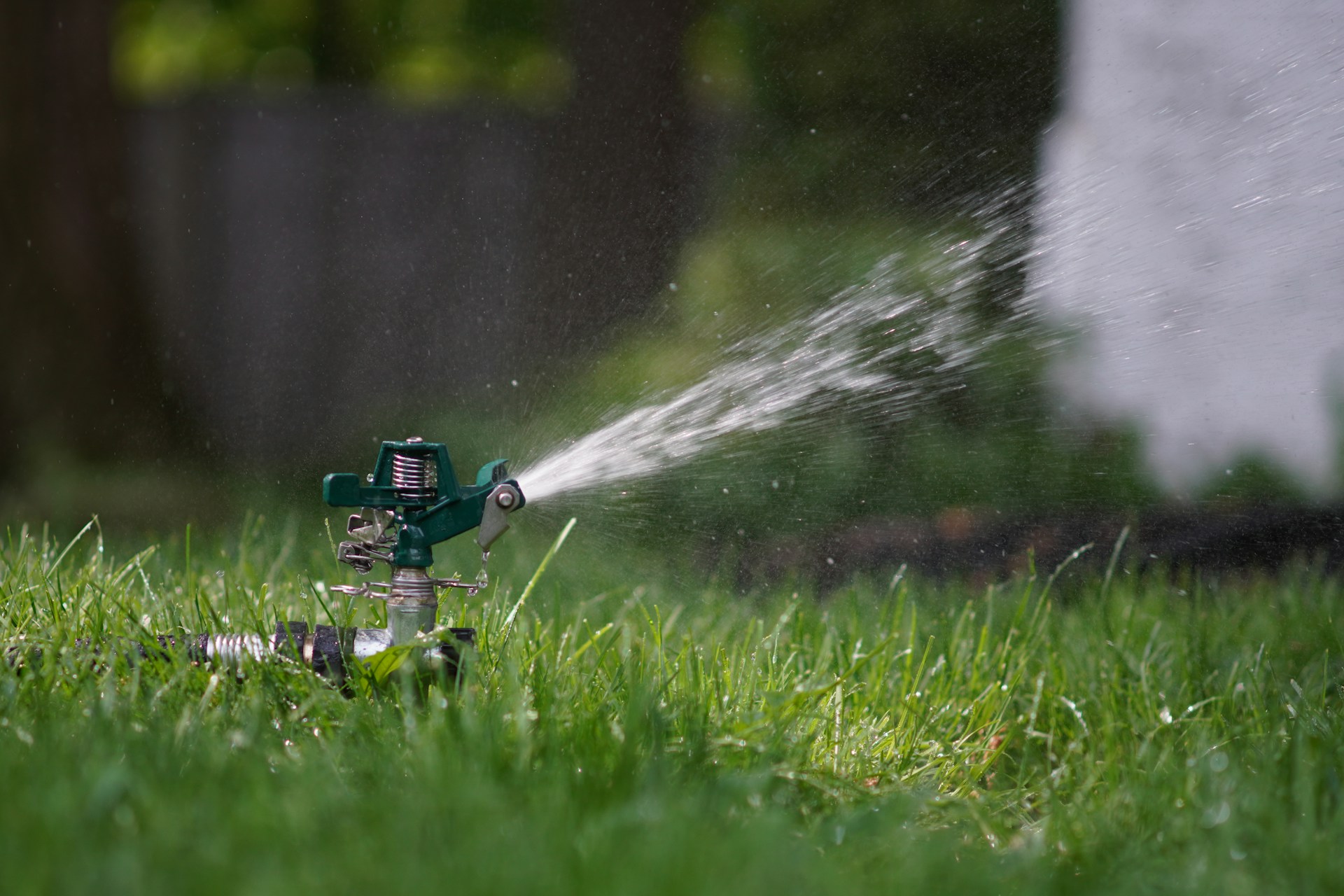
The first 4 to 6 weeks after hydroseeding are make-or-break for root growth. During this stretch, the new grass needs steady moisture. If there's no permanent irrigation, you'll have to plan for temporary watering or hope for well-timed rain.
Too much water on clay soils can create as many problems as drought, like fungal issues or seed washing off slopes.
Wait until turf hits 3 to 4 inches and roots are anchored before mowing. Start too soon, and you'll rip up young plants, leaving bare spots that need reseeding. For most Texas Bermuda jobs, expect to mow 4 to 6 weeks after application if conditions cooperate.
Comparing Hydroseeding To Other Establishment Methods
Hydroseeding isn't the only way to get grass growing, but for big commercial acreage, it's usually the fastest and most reliable option when you weigh speed, cost, and compliance.
Where Hydromulch Outperforms Dry Seeding On Large Acreage
Dry broadcast seeding might look cheaper on paper, but it rarely delivers. Without that mulch layer to lock in moisture and shield the seed from sun and wind, you end up with spotty, uneven grass that often needs a second pass.
Hydromulch locks seed to the soil inside a protective layer. On a 50-acre job, this means fewer trips back, quicker approvals, and lower overall cost. The mulch also gives instant erosion protection on active job sites, something dry seeding just can't do.
When Sod Installation Creates Cost Or Logistics Problems
Sod gives you instant green, but it's pricey and a hassle on big sites. You need cold storage, staging, a crew ready to go, and lots of water right away. On multi-acre projects with phased schedules, just getting sod delivered and installed without delays is a headache that hydroseeding avoids entirely
How To Match The Method To Compliance And Long-Term Performance
The best method depends on slope, acreage, compliance deadlines, and future maintenance. Sites under active TCEQ stormwater permits have specific windows for getting vegetation established. Hydroseeding usually hits those timelines without the cost or headaches of sod.
For severe slopes that need Flexterra HP-FGM, choosing the right product is all about compliance. Standard mulch may slide off, and if that happens, you're looking at permit issues and extra costs. Matching method to site is really a risk call, not just a preference.
How To Compare Hydroseeding Bids Before You Award
A solid hydroseeding company keeps estimating simple and quick, but the bid you award is a scope decision, not just a price decision. The information you gather up front makes the difference in how fast you get a real number and how well you can compare one bid to the next.
What Information To Gather Before Requesting Pricing
Before you reach out, pull together the basics any experienced contractor will need:
- Total acreage or square footage that needs seeding or erosion control
- Site or grading plan showing slopes, drainage, and phasing
- Seed spec, whether TxDOT Item 164, the developer's list, or the engineer's requirement
- Slope grades like 2:1, 3:1, or 4:1, and spots that might need blankets or BFM
- Access conditions: Is the site wide open, or are there restrictions, phased areas, or lots of other trades?
- Target completion date and any permit-driven deadlines for vegetation
Having this ready means less back-and-forth and a faster estimate. For a quick starting number, run your site through our job price calculator before you dive into details.
How To Read Scope, Protection Measures, And Timeline Assumptions
When you get bids, don't just look at the number. Check what's actually included. A low price that skips soil prep, erosion blankets, or extra mobilizations for phased work will probably cost more by the time you pass inspection.
Ask bidders to spell out their germination window, seed and mulch choices, and whether their bid covers BMPs like inlet protection or slope stabilization. If one bid lists Flexterra on 2:1 slopes and another offers basic wood-fiber mulch for the same spot, those aren't the same scope. The cheaper one likely means more rework later.
When To Call Early On Texas And Gulf South Projects
Get a hydroseeding contractor involved during preconstruction, not after grading is done, and the clock is ticking. Early input helps spot slope or drainage issues, gets the right product chosen, and lets you schedule work around the grading crew.
On Gulf Coast sites, timing really matters. Planting Bermuda in November or spraying hydroseed right before a tropical storm is a recipe for wasted seed. Someone with decades of Texas field experience can help keep a Houston site on schedule by timing applications with weather and permit needs.
Frequently Asked Questions
What should a bid include for large-acreage seeding and erosion control on a tight schedule?
A good bid spells out the seed mix, mulch product, application rate, soil prep, any BMPs like blankets, stabilizers, or inlet protection, the number of mobilizations, and the expected germination window. It should also mention if phased applications are included and what triggers a change order.
How do you price a seeding scope, by square foot, acre, or by mobilization and access conditions?
Most contractors price by acre or square foot, but the final number also depends on mobilization distance, site access, slope, mulch choice, and seed spec. A flat per-square-foot price with no site details usually means something got missed.
What site conditions will cause a seeding failure, and how do you prevent it before mobilizing?
Compacted soil, the wrong seed for the season, not enough mulch on slopes, and lack of moisture after application are the main failure points. Prevention starts with a site walk, soil check, seed spec review, and picking the right mulch or stabilization for the conditions.
How fast can you mobilize crews and equipment for an active construction site or storm repair?
Contractors with their own gear can usually mobilize within a few days. The main variables are equipment, crew schedules, and getting material on site. For storm work, response might be even faster, which is another reason to have a contractor lined up early.
What is the difference between hydraulic seeding, bonded fiber matrix, and erosion control blankets for slopes?
Hydraulic seeding uses a basic mulch slurry for flat or gentle slopes. Bonded fiber matrix gives a tougher, erosion-resistant cover for steeper spots where regular mulch would slide off. Erosion blankets are physical mats staked down, best for high-flow channels or slopes that need extra protection before grass takes hold.
What information do you need from the plans to match DOT or project spec requirements for seed and mulch?
At minimum: seed spec with species and pure live seed rates, TxDOT Item 164 if required, slope details, soil type, project phasing, and any permit conditions. With these in hand, a contractor can match products and rates to the spec without guesswork.
Why The Right Hydroseeding Contractor Keeps Your Project Moving
The right hydroseeding contractor can make or break your schedule, compliance, and budget. Their local know-how, equipment, and ability to match products to real site conditions often mean you pass inspection on the first try instead of dealing with delays and extra mobilizations.
Allied Hydromulch TX, LLC has been handling these decisions for Texas and Gulf South contractors since 1990. Call 281-482-8212, and you'll reach a superintendent who has seen more Texas sites than most folks have bid on. Still mapping out the scope? Start with the cost estimator for a ballpark, then call so we can walk through the specifics together.