.svg)


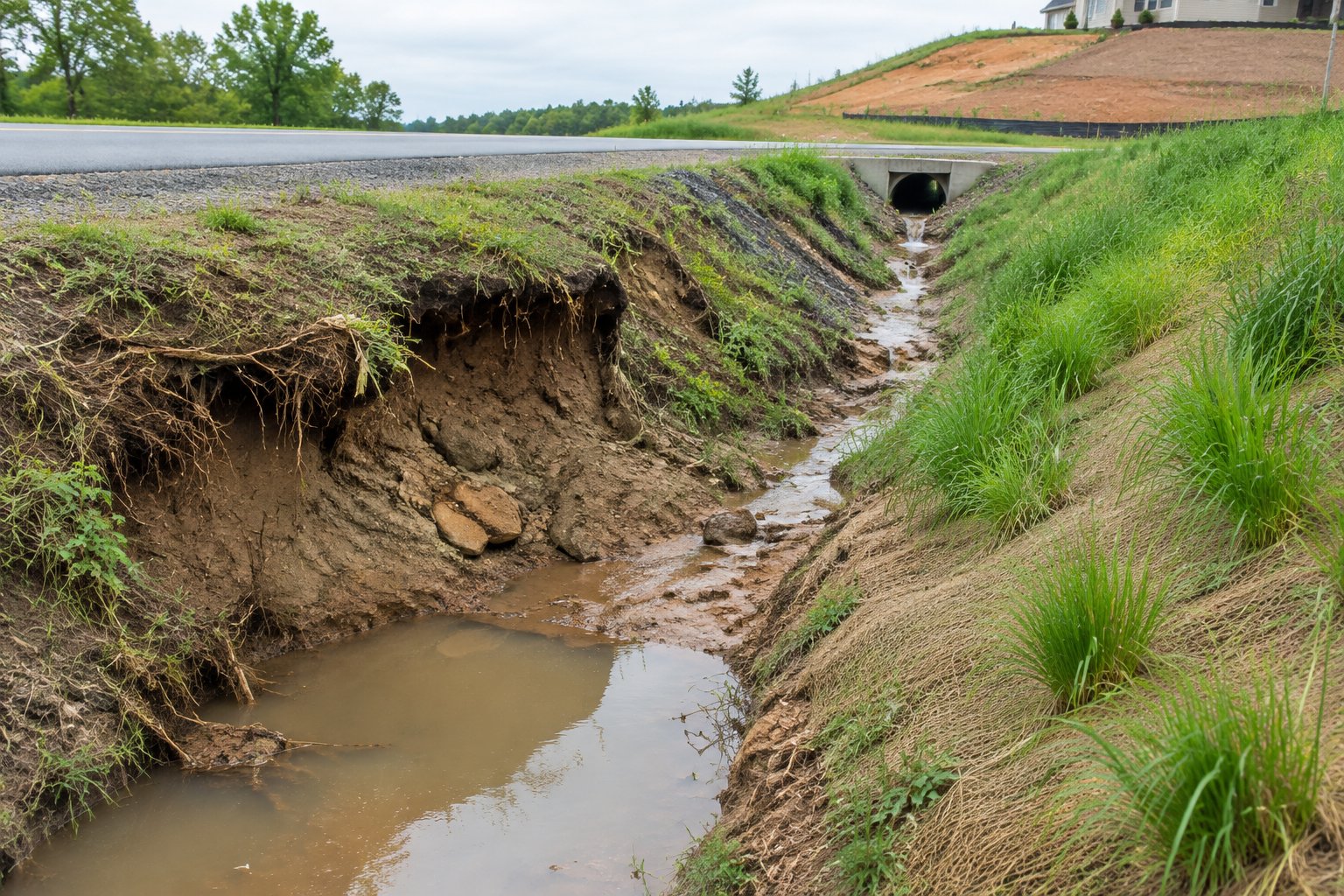
The clock on a graded pad starts the moment the dozers pull off. Every day that disturbed ground sits open, stormwater can grab sediment and haul it offsite. One violation under the Texas Pollutant Discharge Elimination System Construction General Permit can stall grading, delay inspections, and add weeks to the schedule.
Hydromulching is the fast fix. It sprays on a blend of seed, mulch, fertilizer, and soil conditioners, locking everything in place so vegetation can get going right away. The mat also helps you meet the stormwater pollution prevention plan requirements that drive most erosion control decisions in Texas.
At Allied Hydromulch TX, LLC, we have handled hydromulching across Texas, Louisiana, Oklahoma, and New Mexico since April 1990. With about 15 million square feet mulched in 2025 alone and a strong track record with more than 60 clients, our crews know how to keep projects moving without costly do-overs.
Let's dig into how hydromulching actually works, where it makes the most sense, what timelines look like in Gulf South weather, and how it stacks up against alternatives like erosion control blankets or drill seeding. Everything here comes from real field experience: think Texas clay, Houston rain, and TxDOT corridors, not just theory.
What the Application Actually Is
Hydromulching is a one-step process that sprays a protective slurry onto prepped soil. This slurry holds in moisture, shields against erosion, and gives seeds the kickstart they need. Once it hits the ground, it forms a mat that keeps rain and wind from beating up bare soil and helps seed settle in.
Instead of scattering dry seed and mulch by hand, everything gets mixed in a tank and sprayed out under pressure. That means big areas get covered fast and evenly, without the patchiness you would expect from old-school methods.
How the Slurry Gets Made on Site
It starts with water in the hydroseeder tank. Operators add each ingredient in order, making sure the mix stays smooth and even before spraying.
- Seed: Chosen for the region and soil. In Texas, Bermuda, Bahia, or native warm-season blends are common picks.
- Cellulose or wood fiber mulch: Holds in moisture and protects the seed. Application rates change based on slope and soil.
- Fertilizer: Starter blends matched to soil tests, which helps roots get going in those first two weeks.
- Tackifier: Binds mulch fibers together and anchors the mat to the soil. Essential for slopes and windy days.
- Soil conditioners (if needed): Help seeds make contact with tough, compacted, or clay-heavy soils, which are everywhere around Houston and the Gulf Coast.
We measure each ingredient by weight or volume, following manufacturer specs, TxDOT standards, and what the site actually needs.
How a Hydroseeder Covers Ground
Once the mix is ready, smooth with no lumps, the operator sprays it over the area using a tower gun for big open spaces or a hose for tighter spots near curbs, inlets, or structures. The agitation system in the tank keeps the blend mixed so every spray is consistent from start to finish.
Operators adjust the spray pattern and overlap for wind, slope, and surface texture. On flat pads, one truck can hit several acres in a day. On slopes, crews start at the bottom and work up to keep runoff from cutting channels before the tackifier sets. Most mulch comes with a colored dye, so it's easy to spot any missed spots on the fly.
So why choose this over other methods? Let's get into that.
Why Contractors Use Hydromulching on Active Job Sites
Bare soil at a job site brings immediate headaches: sediment runoff, permit trouble, and slow vegetation that delays sign-off. Hydromulching addresses all of that in one go.
Bare Soil Protection and Stormwater Exposure
As soon as grading wraps up, exposed soil becomes a sediment source. Rain pushes loose dirt into drains and offsite. The TCEQ Construction General Permit says you have to stabilize disturbed areas sitting idle for 14 days or more. Hydromulching can handle that the same day crews show up.
The fiber-and-tackifier mat absorbs the force of raindrops, which is the main way soil gets eroded on most slopes.
By catching rainfall before it can move sediment, hydromulch keeps more soil in place and takes pressure off things like silt fence and inlet protection. For those managing erosion control on active Texas job sites, one application can make the difference at inspection time.
Coverage Speed Across Large Disturbed Acreage
A good crew can hydromulch several acres in a single day. Compare that to hand-seeding, mulching, and then tacking everything down.
Labor hours add up quickly. For big commercial sites, warehouse pads, or highway embankments, speed matters. Covering everything in one mobilization means the GC can move forward without waiting for multiple visits from a seeding crew.
Moisture Retention and Even Establishment
The mulch layer holds moisture at the soil surface, cutting down on evaporation during those brutal Texas summers. Seeds stay hydrated longer, so you see germination quicker, usually in 7 to 14 days. Full coverage takes about 4 to 6 weeks, depending on weather, irrigation, and seed choice.
Even coverage matters. Patchy growth means re-seeding, which nobody wants. Hydraulic application spreads seed evenly, avoiding the bare spots and clumps that happen with dry broadcast. So where does hydromulching shine the most?
Where It Fits Best in Texas and the Gulf South
Hydromulching really earns its keep on sites with lots of exposed soil, tight compliance deadlines, and big acreage, which is pretty much standard across Texas and the Gulf South.
Slopes, Embankments, and Drainage Areas
Slopes are erosion trouble spots. According to TxDOT's landscape manual, soil type and slope grade determine what works best. Standard hydromulch with tackifier covers moderate slopes up to about 3:1. Steeper slopes need something heavier-duty, like bonded fiber matrix or Flexterra HP-FGM, to handle extra runoff and keep everything in place.
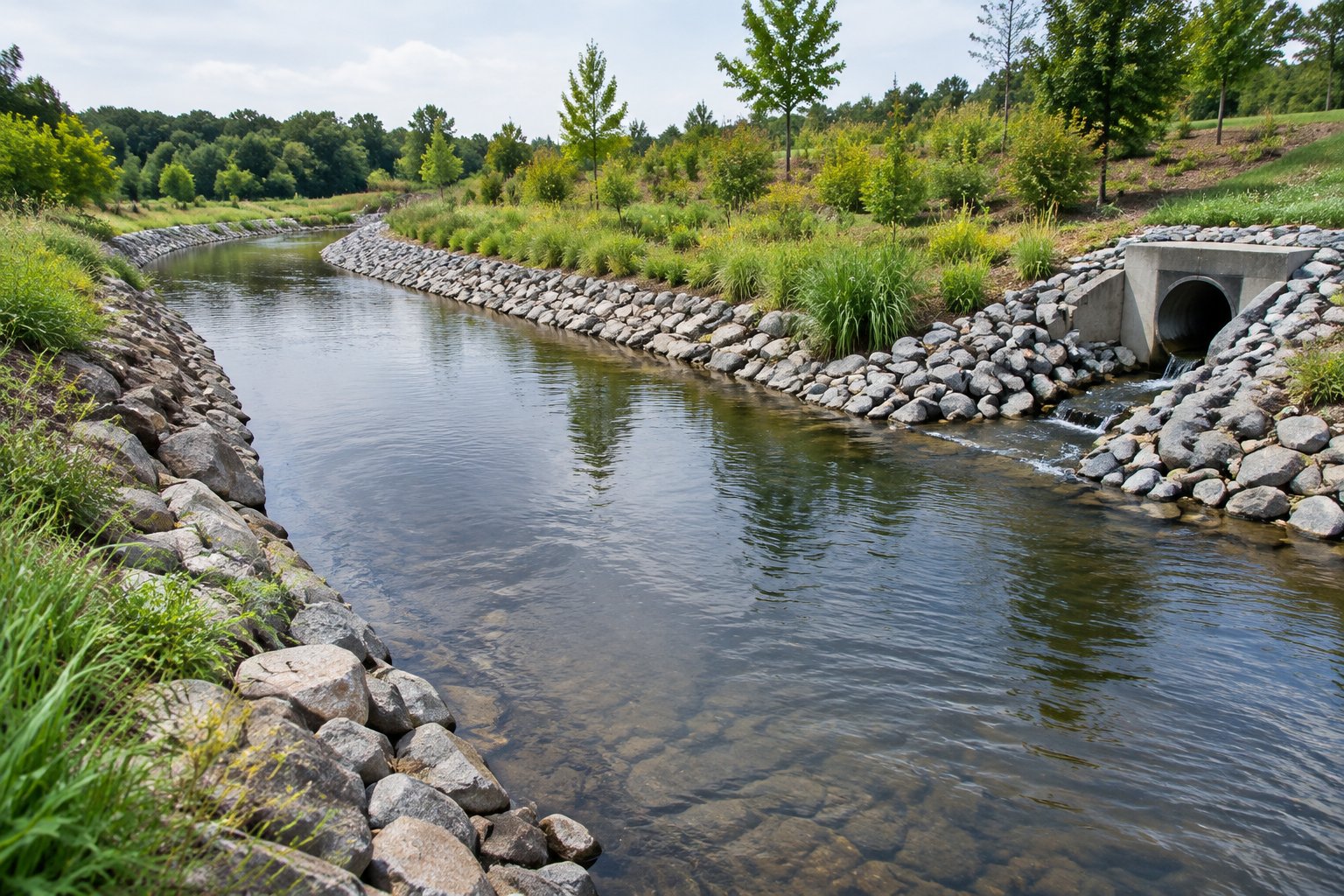
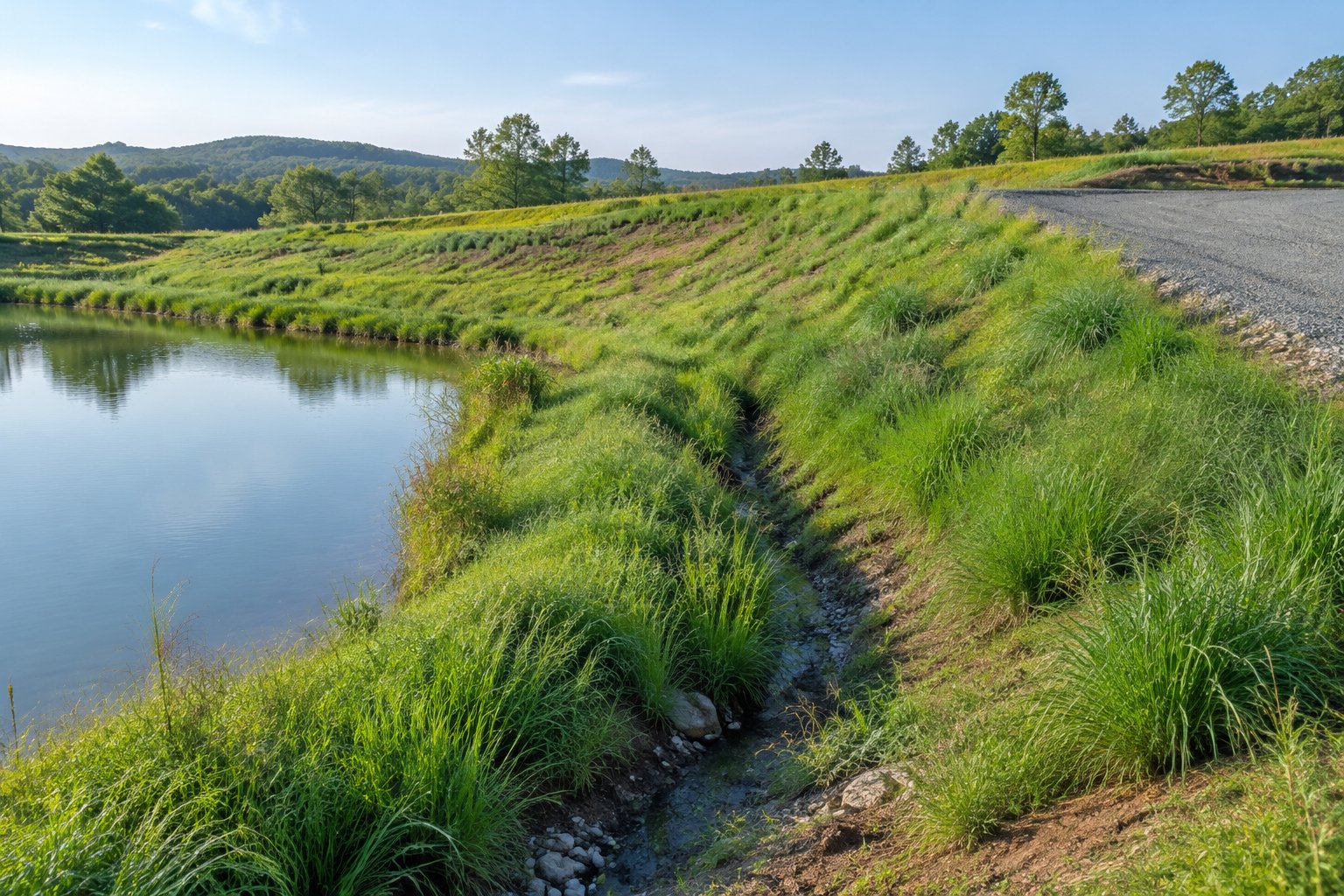
Drainage channels and pond edges benefit too. The mulch stabilizes banks while seeds get started, cutting down on sediment in storm drains during those first few weeks after grading.
Commercial Developments and Site Restoration
Big commercial projects, warehouse parks, retail pads, and industrial sites leave a lot of exposed soil once the building wraps up. Hydromulching is the fastest way to get vegetation going over all that ground. Projects like the Amazon Fort Bend Tollway site and Bechtel's LNG facility in Corpus Christi show just how useful this method is at scale and under tight compliance rules.
Post-construction site restoration is another sweet spot. Once utilities are buried and the final grade is set, a single hydromulch pass gets things green before everyone packs up.
Compliance-Driven Schedules and Rain Risk
Gulf Coast weather is unpredictable. Houston gets about 50 inches of rain a year, and tropical storms can dump several inches overnight. If you don't stabilize bare soil before a big rain, expect sediment runoff and possible permit holds that throw off the whole schedule.
Hydromulch applied before a rain gives fast surface protection. Tackifier bonds the mat within hours, so you have a real barrier even before seeds sprout. For those working to prevent stormwater violations on Houston sites, that kind of speed is a lifesaver. So what's realistic to expect after application?
Typical Timelines and Performance Expectations
Germination after hydromulching usually starts in 7 to 14 days, as long as soil temps and moisture are right. Full, dense coverage that passes inspection develops in 4 to 6 weeks.
When Germination Usually Starts
Warm-season grasses like Bermuda, Bahia, and Buffalo need soil temps over 65°F to get going. In the Houston area, that window opens in March and runs through October. During peak summer, the heat and extra moisture under the mulch can push germination to the faster end of the range.
Cool-season or transitional blends in Central Texas might follow a slightly different schedule, but the mulch layer still speeds things up compared to dry seeding.
What Affects Establishment in the Field
Several things shape how fast hydromulched areas fill in:
Factor
Effect on Establishment
Soil temperature
Below 65°F slows warm-season germination
Irrigation access
With no irrigation, you're at the mercy of rainfall
Soil compaction
Hard-packed subgrade makes it tough for roots; scarify before applying for better results
Seed-to-soil contact
Loose, debris-free soil lets the slurry bond well
Slope and sun exposure
South-facing slopes dry out faster; north-facing slopes hold moisture longer
Mulch application rate
Too little mulch exposes seed; too much can smother it
Sites prepped to final grade and lightly scarified usually see quicker germination. Areas with compacted clay, leftover debris, or drainage issues need extra prep to avoid patchy growth and rework.
So how does hydromulching stack up against other stabilization options?
How It Compares With Other Site Stabilization Options
Hydromulching isn't the only way to stabilize soil, but it's a solid choice depending on slope, soil, schedule, and budget. Here is how it compares to the most common alternatives.
Dry Seeding Versus Single-Pass Hydraulic Application
Dry seeding, whether broadcast or hand-spread, offers the lowest upfront price per acre, but there's a catch: it leaves seed exposed. Wind, rain, and hungry birds can wipe out a lot of your effort. Without mulch and tackifier, dry-seeded ground usually ends up patchy and may need another round.
Hydromulching, on the other hand, delivers seed and surface protection in one go. That saves time, cuts down on labor, and usually leads to a more even result.
Erosion Control Blanket Versus Spray Coverage
Erosion control blankets come in rolls and get pinned over the soil. They're solid on steep slopes or spots where water moves fast, and standard hydromulch can't hang on. The downside is that blankets take a lot longer to install, especially across big areas. Unrolling, overlapping, and pinning by hand isn't quick work.
Most commercial sites with moderate slopes get better value out of hydromulch. It covers more ground, faster, and for less. For steep slopes that need more muscle, a bonded fiber matrix or Flexterra FGM sprayed on can bridge the gap between basic mulch and blankets.
When Drill Seeding Is the Better Fit
Drill seeding means dropping seed straight into the soil at a set depth with a machine. It's great for big, flat areas like utility corridors or land restoration. But drill seeding doesn't protect the surface by itself. On slopes or if rain is coming, it's often paired with a hydromulch overlay or used where the grade allows.
Choosing the Right System for the Site
Picking a hydromulch system comes down to slope, soil, compliance needs, and how fast you want green-up. Overshooting or undershooting the spec gets expensive in different ways.
When Standard Hydromulch Is Enough
Standard cellulose fiber mulch with tackifier works for most commercial construction. Flat pads, gentle slopes of 4:1 or flatter, utility corridors, and post-construction sites are all fair game. It's the most affordable hydraulic option, and if you prep the soil right, it's reliable.
Most warehouse builds, retail sites, and large commercial seeding jobs use this approach.
When a Higher-Performance Stabilization Product Makes Sense
Steep slopes over 3:1, high-flow ditches, or places that could get hammered by rain usually need a bonded fiber matrix or flexible growth medium like Flexterra. These products form a tougher mat that stands up to runoff and water flow where regular mulch won't cut it.
They cost more up front, but you'll likely avoid re-applications and compliance headaches. On the Gulf Coast, a single downpour can undo hours of work, so using the right product from the start is usually worth it.
What to Have Ready Before Requesting a Quote
Sharing clear site info up front makes estimating smoother and keeps quotes accurate.
- Total disturbed acreage or square footage needing coverage
- Slope grades and lengths, both steepest and average
- Soil type or geotech report if you have it
- Seed spec from project docs or permits
- Site access: can a truck get close, or will hoses need to stretch?
- Target finish date and any compliance deadlines
Having these details ready when you reach out saves everyone time and leads to a more accurate price. Our hydromulch cost estimator gives you a ballpark before you even call.
Frequently Asked Questions
When does fiber mulch make more sense than straight hydroseeding on Texas sites?
Fiber mulch isn't separate from hydroseeding; it's part of the process. The real question is whether basic cellulose fiber does the trick, or if you need a bonded fiber matrix or Flexterra FGM. Standard fiber works for flat to moderate slopes, 4:1 to 3:1. Steeper or riskier areas need something stronger that forms a mat.
What drives installed cost per acre on a hydromulch application?
Cost depends on total acreage, slope, seed type, mulch product, and how easy the site is to access. A flat, 10-acre pad with Bermuda seed is cheaper per acre than a steep 2-acre slope needing Flexterra and a special seed mix. Distance from the contractor's base plays a role too.
How do you verify coverage rate and tackifier dosage for wind and rain events?
The applicator controls coverage by watching the colored mulch as it goes down. Tackifier rate is set during mixing, based on slope, weather, and manufacturer guidelines. For windy or pre-rain jobs, tackifier gets bumped up so the mat stays put until seeds sprout.
What equipment capacity and pump distance do you need for large or remote slopes?
Most commercial hydroseeders hold 3,000 to 4,000 gallons per load. Hoses can usually reach 200 to 300 feet from the truck, depending on slope and hose size. For slopes farther out, crews may need extra staging points or a tower gun for longer throws. A site visit or a good access map helps plan the setup.
How long does it take to get germination and stabilization after application in Texas weather?
Germination usually starts in 7 to 14 days if the soil is warm enough, above 65°F, and there's moisture. Full stabilization, meaning a thick enough stand to hold soil during rain, typically happens in 4 to 6 weeks. In Houston's summer, it can go quicker thanks to the heat and humidity.
What site prep and surface conditioning prevent mulch sloughing on steep grades?
Loose, scarified soil is key. Compacted ground causes slurry to slide instead of sticking. On steeper slopes, track-walking or scarifying with a skid steer makes grooves to hold mulch. Clearing debris, rocks, and standing water before spraying matters too. For grades steeper than 3:1, a bonded fiber matrix is the safer bet over basic mulch.
Get Your Site Stabilized Before the Next Rain Event
Hydromulching offers a fast, practical way to cover exposed soil and kickstart vegetation on Texas commercial and infrastructure projects. It combines seed, moisture retention, and erosion protection in one efficient step.
Whether you're dealing with a flat pad or a steep embankment, choosing the right product for your site makes the difference between a one-and-done job and a costly redo.
Allied Hydromulch TX, LLC has been getting that call right since 1990, with a field team that knows Texas conditions inside and out. Call 281-482-8212 for a quick quote, or try the job price calculator to get a rough idea before picking up the phone.