.svg)


A single hard rain on a stripped 12-acre pad can undo a week of grading and put your permit at risk. Sediment leaves the site, fills the inlet, and an inspector writes it up before the pumps are even shut down. That is the day-to-day reality of stormwater compliance erosion control in Texas, where clay soils shed water fast, and Gulf Coast storms rarely give notice.
Compliance is not a paperwork problem. It is a field sequencing problem. The plan, the controls, the inspections, and the vegetation all have to line up with the grading schedule, or the site falls behind and the general contractor absorbs the cost.
In this guide, you will find the permit thresholds that apply in Texas, what belongs in a workable plan, how to sequence controls ahead of rainfall, and how vegetation closes out coverage. After reading, you should be able to decide what your site needs next and when to schedule it.
Know When TPDES Construction Coverage Applies
Coverage under the Texas Pollutant Discharge Elimination System (TPDES) is triggered by disturbed acreage, not by project value or site type.
The Texas Commission on Environmental Quality (TCEQ) runs the program under authority delegated from the National Pollutant Discharge Elimination System (NPDES), through Construction General Permit TXR150000.
If your project disturbs one acre or more, you need coverage. If it disturbs less than one acre but sits inside a larger common plan of development that totals one acre or more, you still need coverage. That second rule catches more sites than most crews expect.
Disturbed Acreage and Common Plan Thresholds
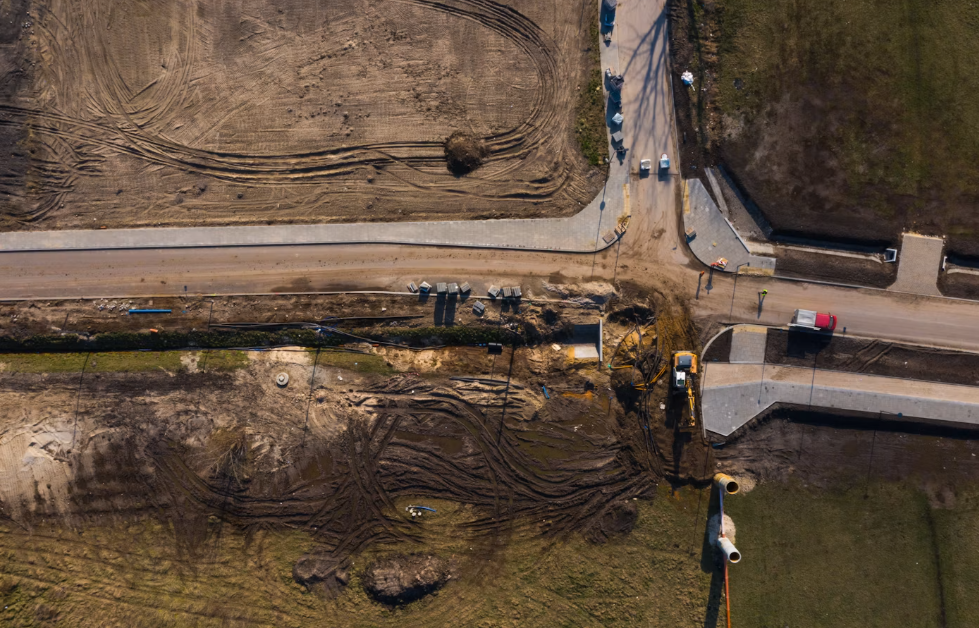
Disturbed acreage includes clearing, grading, excavation, stockpiles, laydown yards, and haul roads. A 0.6-acre pad inside a 40-acre business park is regulated because the larger plan governs. Phased developments count as one plan even when phases are years apart.
Measure disturbance honestly at the preconstruction meeting. Underestimating acreage is one of the fastest ways to end up operating without proper coverage.
Small and Large Construction Activity Requirements
TCEQ separates coverage into two levels; the paperwork burden differs sharply.
- Small construction activity: one acre up to five acres. Requires a stormwater pollution prevention plan and a posted construction site notice. A Notice of Intent is generally not required unless discharge goes to an impaired water body.
- Large construction activity: five acres or more, including acreage within a common plan. Requires a Notice of Intent for large construction activity, submitted through STEERS, plus the plan and site notice.
The current permit cycle runs through its renewal date. TCEQ has signaled the next general permit reissuance around March 5, 2028. Track that date so your coverage carries forward cleanly.
NOI, Construction Site Notice, and NOT Responsibilities
The operator with day-to-day control signs and files. On most jobs, that is the general contractor, sometimes jointly with the developer.
Post the construction site notice where the public and inspectors can read it without entering the work zone. When the site reaches final stabilization, file the Notice of Termination (NOT) to stop permit obligations and fees. Coverage only works if the plan behind it reflects what is actually happening in the dirt.
Build a SWPPP That Matches Field Conditions
A stormwater pollution prevention plan (SWPPP) is a working document, not a binder that lives in the trailer. TCEQ publishes a SWPPP template for the construction general permit, and TxDOT maintains its own SWP3 guidance manual for state highway work.
The plan fails inspection when it does not match the site. Controls shown on a sheet that were never installed, or grading that has moved past what the plan describes, both draw findings.
Map Drainage Patterns, Soil Exposure, and Discharge Points
Start with where the water goes. Identify every discharge point, storm inlet, ditch, and receiving water. Then mark the acreage that will be exposed at each construction phase.
On Gulf Coast sites with heavy clay, infiltration is minimal. Almost everything that falls becomes runoff, so sheet flow paths matter more than they would on sandy soils. Slopes steeper than 3:1 need to be flagged on the plan early.
Assign BMP Maintenance and Corrective Action Responsibilities
Best management practices (BMPs) fail from neglect, not from bad design. Assign a named person to inspection and repair. Vague language like "contractor shall maintain" will not hold up when sediment is in the street.
Corrective action needs a deadline in the plan. Document what failed, what was done, and when. That record is your defense during a follow-up inspection.
Coordinate Requirements With Local MS4 Programs
If your site discharges into a municipal separate storm sewer system (MS4), the city or county may add its own rules. Houston, San Antonio, and Fort Bend County all run active programs with local review steps.
Ask the MS4 operator for their checklist before mobilization. Local requirements can be stricter than the state permit. Finding that out mid-job costs schedule. With the plan settled, the controls have to go in before the weather tests them.
Sequence Erosion and Sediment Controls Before Rainfall
Install controls before the disturbance that creates the runoff, not after. Erosion control devices protect exposed soil from rain and wind, while sediment controls capture what still moves.
Sequencing matters because the two do different jobs. Silt fence catches sediment. Hydraulic mulch and erosion blankets stop soil from detaching in the first place. You need both, in the right order.
Use Perimeter Controls to Contain Sediment Runoff
Perimeter controls go in during the first days of clearing. Silt fence along the down-gradient boundary, inlet protection on every drain within the drainage area, and a stabilized construction entrance to keep track-out off public roads.
Check perimeter controls after every rain event. Undermined silt fence, sagging fabric, and sediment loaded to more than half the fence height are all common write-ups.
Protect Slopes, Channels, and Drainage Areas
Slopes and channels concentrate flow. That is where most failures start. TxDOT's guidance on erosion control devices and practices treats protection of exposed soil as the primary objective in these areas.
Match the treatment to the gradient and flow condition:
- Flat to moderate slopes (4:1 and flatter): hydraulic mulch with tackifier usually holds well.
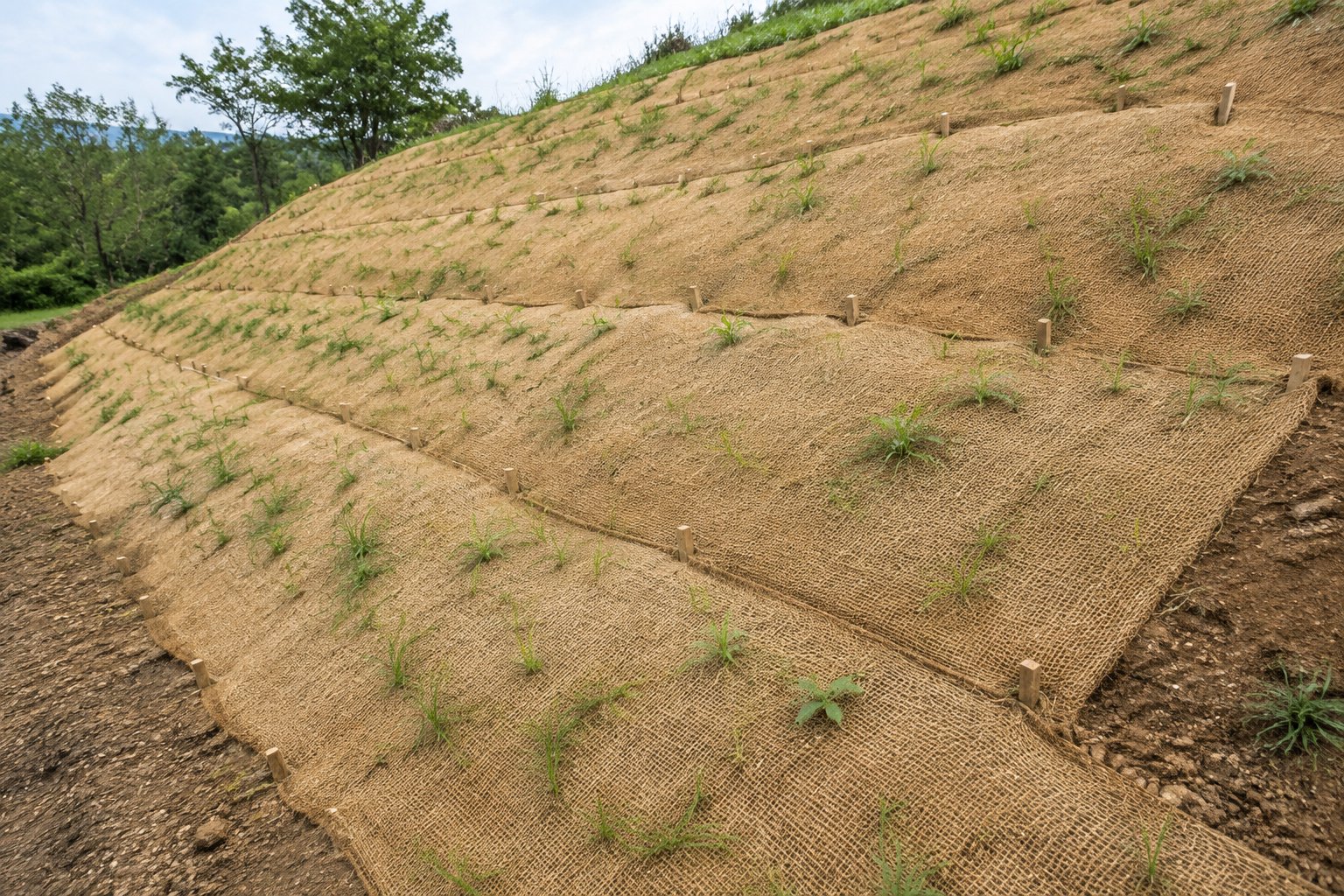
- Moderate to steep slopes (3:1 to 2:1): erosion blankets or a hydraulic soil stabilizer with higher bonding strength.
- Steep cut slopes and long uninterrupted runs: Flexterra flexible growth medium. Built for demanding conditions where standard mulch will not stay put.
- Channels, ditches, and retention pond banks: blankets or armoring, since concentrated flow moves faster than sheet flow.
Retention ponds and drainage channels deserve extra attention because they hold water and then release it. Our crews treat those areas as their own scope, not as leftover square footage. The approach we use for retention pond erosion control is built around permit timing. Not just coverage.
Replace Temporary Controls With Vegetative Stabilization
Temporary stabilization holds the site through active construction. Final stabilization requires established vegetation or an equivalent permanent cover. That is what allows the NOT to be filed.
Removing silt fence too early is a frequent violation. Leave perimeter controls in place until vegetative cover is established and holding. This brings the decision to seed selection and timing.
Use Revegetation Timelines to Protect Permit Closeout
Vegetation is a compliance tool. Final stabilization under the permit depends on it, so the seeding date drives your closeout date. Not the other way around.
Plan backward from the permit deadline. If germination and establishment take six weeks, the application has to happen six weeks before you intend to file.
When Hydroseeding Supports Fast Vegetative Cover
Hydroseeding sprays a slurry of seed, mulch, fertilizer, and soil conditioners across prepared soil in a single pass. The mulch layer holds moisture and protects the seedbed, which matters in Texas heat.
Germination typically begins within 7 to 14 days, with full establishment in roughly 4 to 6 weeks, depending on weather and irrigation. That timeline works well for large commercial site hydroseeding where the pad is finished, and closeout is the last item.
Where Native Grass Seeding or Drill Seeding Fits
Native grass takes longer but lasts longer. Germination typically runs 2 to 4 weeks, with establishment across 2 to 3 months. Deep roots hold slopes and reduce long-term maintenance, which is why TxDOT corridors and reclamation sites lean on it.
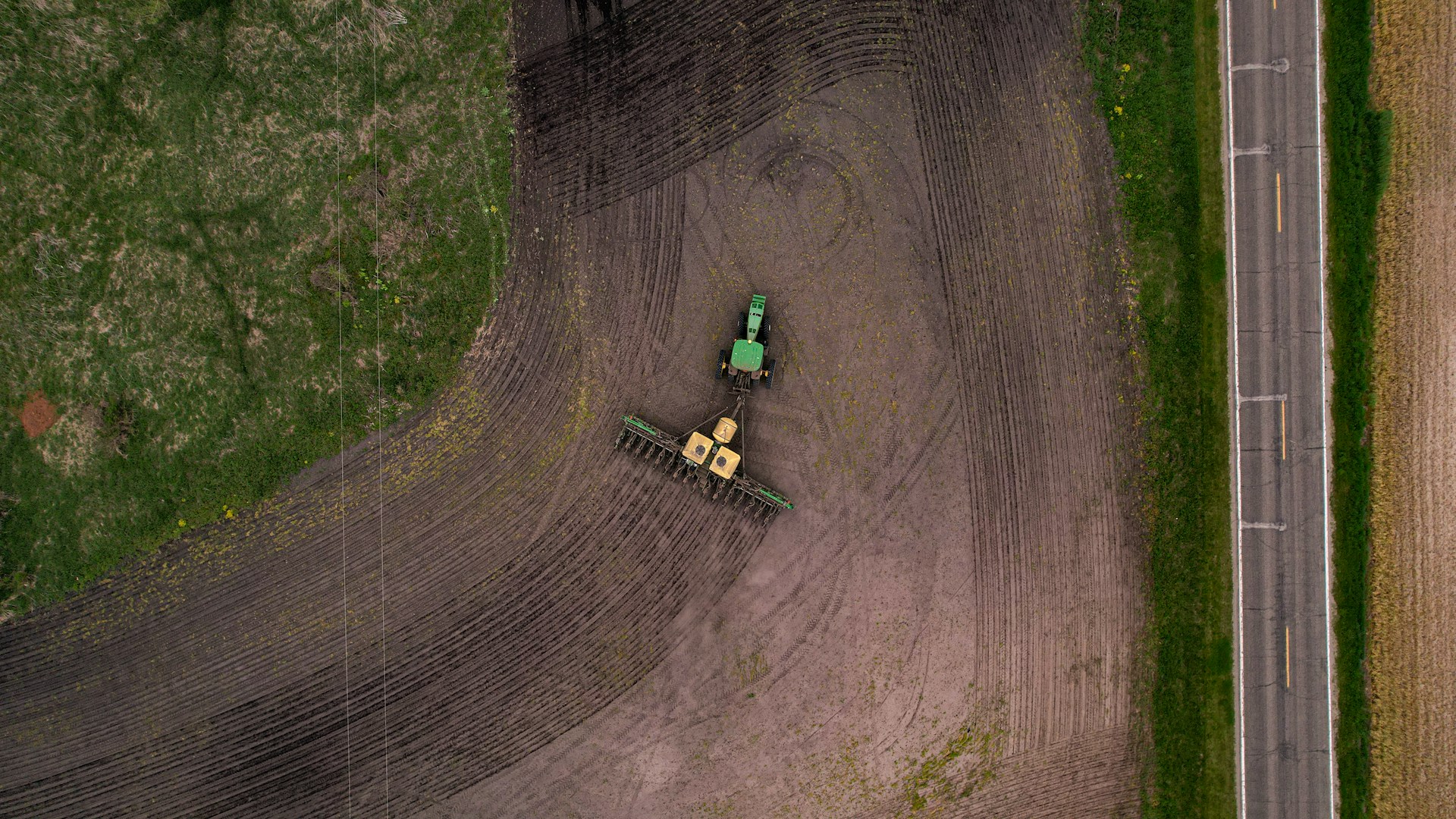
Drill seeding places seed directly into the soil at consistent depth and spacing. Germination is typically 1 to 3 weeks under proper conditions. On large acreage with drivable terrain, drill seeding for large acreage restoration delivers strong seed-to-soil contact with minimal surface disturbance.
Match Seed Mixes to Texas Soils, Season, and Site Use
Seed choice is a site condition decision, not a catalog decision. Consider these factors before locking the spec:
- Soil type: expansive clay in Houston and along the Gulf Coast versus sandier profiles further west.
- Season: warm-season mixes seeded in late fall germinate slowly and may not meet a winter deadline.
- Slope and flow: steeper ground calls for deep-rooted species and a stronger bonded product.
- End use: parking islands, detention basins, and highway right-of-way each carry different maintenance realities.
- Agency spec: TxDOT projects require compliance with state seed specifications by district.
For corridors and reclaimed ground where mowing access is limited, native grass site restoration is usually the better long-term call. Once vegetation is in, the remaining risk shifts to documentation and inspection readiness.
Prepare for Inspections and Keep the Project Moving
Inspections are scheduled and predictable. Most violations come from missed intervals and missing records, not from complicated technical failures.
Under the construction general permit, inspection frequency depends on site size and rainfall. Know your interval and stick to it. This includes shutdown weeks and holidays.
Follow Required Inspection Schedules and Rain Event Reviews
Large construction sites generally require inspections at least once every seven calendar days, or after a qualifying rain event. Some sites use an alternate schedule tied to rainfall and biweekly intervals.
Walk the site after every significant storm. Gulf Coast rainfall can drop several inches in an hour. Controls that looked fine yesterday will not look fine after that.
Document Deficiencies, Maintenance, and Corrective Actions
Write it down the same day. Inspection reports should name the deficiency, the location, the correction, and the completion date. TxDOT crews use a standard field inspection and maintenance form for exactly this reason.
Photos help. A dated photo of a repaired silt fence or a stabilized slope settles most disputes before they become findings. Keep the plan, inspection logs, site notice, NOI, and any corrective action records together and accessible on site.
Select Site Stabilization Support Before Deadlines Tighten
Seeding contractors book up in spring and fall, the two windows everyone wants. Calling three days before your target closeout rarely works out.
Scope the vegetation early, even if the date slips. Our team has worked on Texas, Louisiana, Oklahoma, and New Mexico sites since 1990. The projects that close on time are the ones that have scheduled stabilization during grading. Guidance on avoiding delays with construction site erosion control covers how that sequencing plays out on active jobs.
Common questions come up on nearly every project, so here are the direct answers.
Frequently Asked Questions
Is a SWPPP Required for Construction Projects in Texas?
Yes, if the project disturbs one acre or more, or less than one acre within a larger common plan of development totaling one acre or more. The plan must be prepared before construction starts and kept current on site.
Who Regulates Construction Stormwater Permits and Erosion Control in Texas?
The Texas Commission on Environmental Quality administers the TPDES program, including the Construction General Permit TXR150000. Local MS4 operators, such as cities and counties, may add their own review and inspection requirements on top of the state permit.
What Erosion and Sediment Controls Are Required Under a Texas SWPPP?
The permit requires controls appropriate to site conditions rather than a fixed list. Typical combinations include silt fence, inlet protection, stabilized construction entrances, erosion blankets, hydraulic soil stabilizers, and vegetative cover.
When Must a Construction Site Install Stormwater Pollution Prevention Measures?
Controls must be in place before the soil disturbance that creates the runoff risk. Perimeter controls and inlet protection typically go in during the first phase of clearing. Slope treatments follow as grading progresses.
What Records and Inspection Logs Are Required for Texas Stormwater Compliance?
Keep the current plan, inspection reports at the required intervals, rainfall records where applicable, corrective action documentation, the posted construction site notice, and the NOI if one was filed. Retain records after filing the Notice of Termination.
What Are the Most Common SWPPP and Erosion Control Violations on Texas Construction Sites?
Missed inspection intervals, unmaintained silt fence, unprotected inlets, track-out onto public roads, and removing temporary controls before vegetation is established. Outdated plans that no longer match field conditions are also frequently cited.
Getting Your Site Inspection Ready Before the Next Rain
Compliance holds when the sequence holds. Permit coverage, a plan that matches the dirt, controls installed ahead of rainfall, and vegetation established in time for final stabilization,n all work as one chain.
The step that most often gets pushed is the last one. Seeding decided during grading protects your closeout date. Seeding decided after the deadline arrives costs you weeks.
If you have a site heading toward stabilization this season, Allied Hydromulch TX, LLC has been handling hydroseeding and erosion control across Texas and the Gulf South since 1990. Run the numbers with our hydroseeding cost calculator. Or call 281-482-8212 to talk through your site and request a project estimate.