.svg)


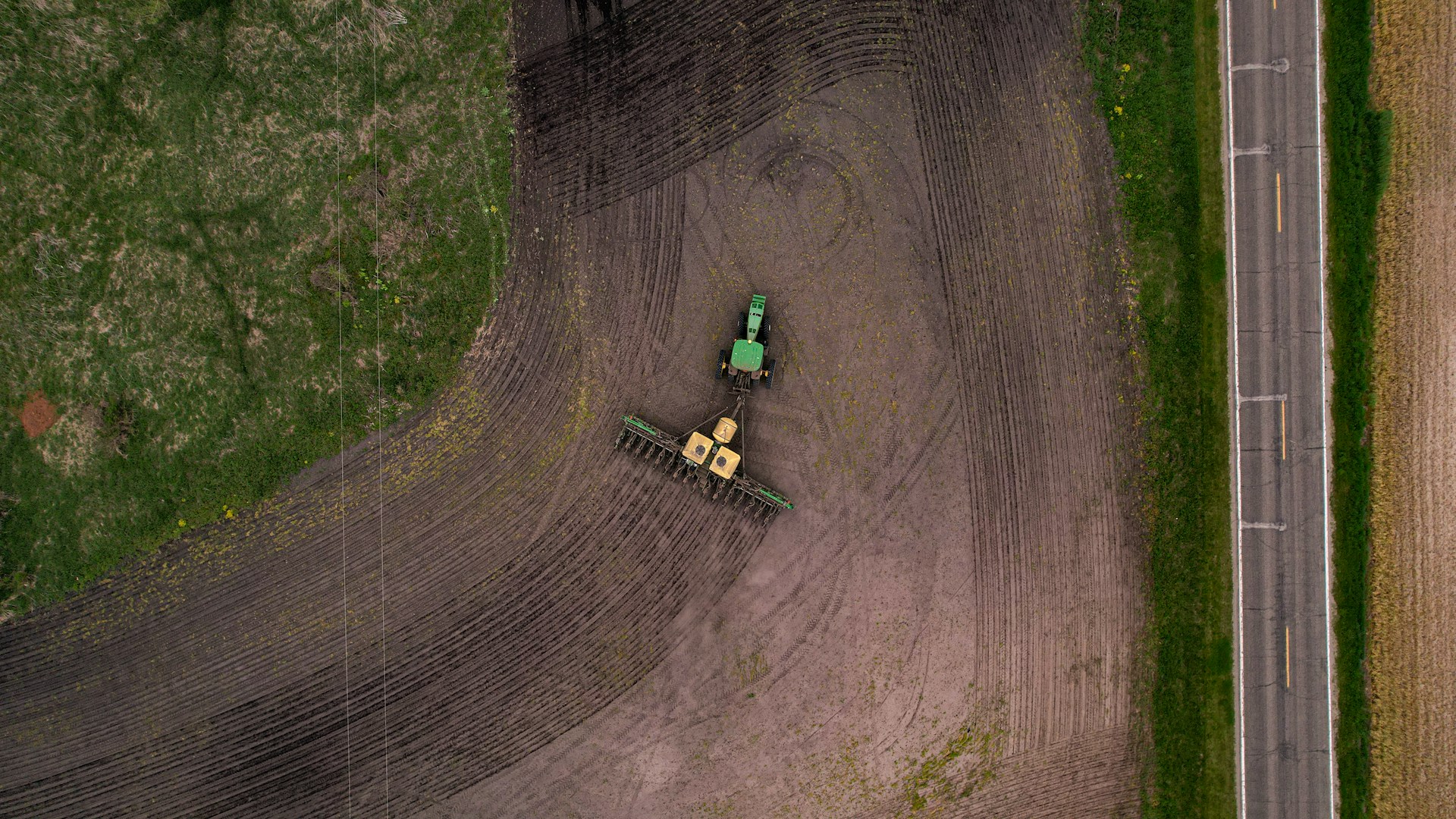
Bare soil on a commercial site is a clock running against your schedule. Rain moves sediment, inspectors write findings, and the closeout date slides. The seeding method you pick decides how fast that ground gets covered and how well the cover holds.
In the hydroseeding vs broadcast seeding decision, neither method wins everywhere. Hydroseeding is often the better fit on Texas commercial sites with slopes, crusting or poorly prepared soils, or tight stabilization deadlines, because the slurry puts seed, fertilizer, and a mulch layer down together. Broadcast seeding, done with proper seedbed preparation and followed by appropriate protective cover, can also perform well, particularly on flat, accessible ground with good topsoil and reliable water.
The difference comes down to what lands on the soil. One method delivers seed plus a protective blanket of fiber mulch. The other delivers seed alone, so protective cover, such as straw mulch, hydraulic mulch, or a blanket, is planned as a separate operation.
Site access, slope angle, soil type, and the water you can actually supply after application all shift the answer. So do your project specifications, especially on Texas Department of Transportation (TxDOT) corridor work where seeding and mulch items are written into the contract.
How Each Application Method Places Seed
Seed placement is the first real split between these two methods. One sprays a wet mixture across the surface. The other drops or throws dry seed and lets gravity finish the job.
Hydraulic Application With a Hydroseeder
A hydroseeder mixes grass seed, fiber mulch, fertilizer, and tackifiers into water, then sprays the protective slurry across prepared soil under pressure. Green dye in the mulch shows the operator exactly where coverage has landed.
Federal roadside revegetation guidance notes that hydroseeding equipment spreads materials uniformly on steep slopes and varied topography, and can blend small quantities such as micronutrients evenly across large areas, a point covered in the Federal Highway Administration's roadside revegetation implementation guide.
Hydromulching is the same operation with mulch loaded into the tank. That mulch layer is what separates hydromulch work from a plain seed-and-water spray.
A truck or trailer tank feeds a pump with continuous agitation, and hose runs reach areas a spreader cannot. Ground crews can cover cut slopes, ditch banks, and pad perimeters from a single setup point.
Surface Application With Hand Seeding or Mechanical Spreaders
Traditional seeding puts dry seed on the ground with hand seeding, a broadcast spreader, or a drop spreader pulled behind equipment. It is fast to mobilize and uses simple gear.
The trade-off is that the seed sits exposed. Nothing holds it in place, nothing shades it, and nothing slows evaporation until a separate mulch or blanket operation follows.
On rough or sloped ground, spreader wheels lose traction and pass spacing gets uneven. Wind pushes lighter seed off target. The result is patchy seed distribution that shows up weeks later as thin stands.
Why Seed Distribution and Seed-to-Soil Contact Matter
Even distribution controls how uniform the final stand looks and how completely the soil gets covered. Gaps in distribution become bare patches, and bare patches become erosion starting points.
Seed-to-soil contact controls whether seed actually germinates. Seed resting on top of a mulch layer or loose debris dries out before roots reach moisture.
Broadcast seeding gives direct contact with soil when the ground is properly prepared and lightly raked or rolled. Hydroseeding places seed within the slurry, so specifications sometimes call for higher seeding rates, and some crews use a two-step process that sprays seed first and mulch second to improve contact. Guidance from the Tallgrass Prairie Center on seeding method selection describes both the one-step and multi-step approaches and their trade-offs.
What Changes Germination and Site Protection?
Moisture and cover drive the outcome after the crew leaves. Hydroseeding addresses cover in the same application. Broadcast seeding addresses it through seedbed preparation and a separate cover operation, and both depend on water.
Moisture Retention During the Germination Window
The mulch layer in a hydroseed application holds water at the soil surface through the germination window. In Gulf Coast heat, that buffer helps, but it does not replace adequate rainfall or irrigation during establishment.
TxDOT guidance on erosion prevention states plainly that the primary function of mulch is to maintain moisture in the soil and support seed germination and plant development, as described in the agency's surface protection standards.
Both methods depend on rainfall or irrigation; broadcast seed without a mulch cover is simply more exposed to drying between waterings. If the only water source is a garden hose or an inconsistent water truck schedule, germination gets uneven fast.
With hydroseeding, germination often begins within 7 to 14 days, and a usable cover can develop in 4 to 6 weeks, depending on weather and watering. Those are estimates that assume soil prep was done and moisture was maintained, and early growth is not the same as mature vegetation.
Protective Cover on Slopes and Exposed Ground
Cover is where the two methods separate the most. Hydraulically applied mulch bonds to the surface as part of the application. Broadcast seed gets comparable protection once a straw, hydraulic mulch, or blanket cover is placed over it; left uncovered, loose seed is easily moved by the first rain.
TxDOT notes that mulch and compost work on gentle slopes of 4H:1V or flatter, and that soil type and slope together determine which temporary erosion control measure is appropriate as grades steepen.
On steeper faces, the answer moves past standard hydraulic mulch. Erosion control blankets, bonded fiber matrix products, and premium flexible growth media such as Flexterra carry higher shear and cover values. Our team specifies these when slope, soil, and expected flow demand more than a standard mulch pass. Contractors working difficult grades often pair seeding with Flexterra erosion control installation or bonded fiber matrix slope stabilization to hold ground through the establishment period.
Performance on Compacted Clay, Poor Soil, and Uneven Terrain
Texas clay is hard on both methods. Compaction blocks infiltration, so water sheets off instead of soaking in, and seed washes toward the low point.
Neither hydroseeding nor broadcast seeding fixes compaction. Tillage, topsoil placement, or compost and organic matter amendments do that work first. Soil organic matter holds far more water and nutrients than the same amount of soil minerals, according to the Natural Resources Conservation Service, which is why prep changes the result more than application choice alone.
Where terrain gets uneven or access is tight, hydraulic application usually has the edge on reach. Hose runs cover hard-to-reach areas behind detention berms, along channel banks, and around structures where a spreader cannot travel.
How Costs and Rework Risk Compare on Commercial Projects
Broadcast seeding has the lower line item. Hydroseeding cost runs higher because the slurry includes mulch, fertilizer, and tackifier, plus water hauling and specialized equipment.
The question for a project manager is total cost through acceptance, not the first number on the bid sheet.
Upfront Application Costs and Mobilization
Mulch is the main cost driver in hydraulic work. Industry guidance on roadside seeding notes that mulch is expensive and can double the cost of a seeding project compared to methods without it.
Filling a hydroseeder tank also takes time, so on very large flat acreage, broadcasting or drilling can move faster per acre. That speed advantage shrinks fast once slopes, silt fences, and traffic control enter the picture.
Broadcast seeding needs less mobilization. One spreader, one operator, dry material. But if the specification also requires straw, tackifier, or blankets, those become separate crews and separate days.
Material Scope to Compare in Competing Proposals
Two seeding proposals rarely include the same materials. Read the scope line by line before comparing dollars.
- Seed mix, species list, and pounds per acre
- Mulch type and application rate per acre
- Tackifier type and rate
- Starter fertilizer and any soil conditioners
- Whether straw, blankets, or a second pass is included or excluded
- Who supplies water, and how many watering cycles are covered
- Warranty or re-application terms if the stand fails to meet specified coverage
Federal contract guidance shows how precise these specifications get. Hydroseeding items are written as specific pounds of seed, wood fiber mulch, and tackifier per acre, with quality control verifying the materials loaded into the tank against the area covered. The actual rates vary by specification, product, and site, so compare each bid against your project's requirements.
Our hydroseeding cost planning breakdown for Texas projects walks through the variables that move a number, and Allied's calculator estimates standard hydroseeding from your project size in square feet before you request a formal quote.
When Lower Initial Cost Can Lead to Reseeding
A cheap broadcast application on the wrong site turns into overseeding, reseeding, and a second mobilization. That is the expensive version.
Common failure patterns on commercial sites:
- Seed washes into the ditch during the first heavy rain, leaving bare patches on the slope face
- Germination stalls in summer heat because nothing held moisture at the surface
- Inspection finds inadequate temporary stabilization and the project takes a compliance hit
- Partial stands require overseeding, which pushes lawn establishment past the closeout window
Rework costs the application again plus the schedule days. On permit-driven sites, it can also cost the inspection. Professional hydroseeding that lands correctly the first time protects both.
Which Site Conditions Favor Each Method?
Match the method to the ground, the grade, and the specification. That is the whole decision.
When Broadcast Seeding Fits Flat, Accessible Ground
Broadcast seeding works when the site is flat, the soil is workable, and water is available. Think finished pad perimeters, interior lots, park expansions, and agricultural-scale flat acreage.
It fits best when:
- Grades are gentle and sheet flow is minimal
- Topsoil is in place and the surface can be raked or rolled after seeding
- Irrigation or dependable rainfall will carry the seed through germination
- The schedule allows a follow-up mulch or blanket operation if cover is required
On a large flat tract with equipment access, broadcasting covers ground quickly and cheaply.
When Hydroseeding Is Better Suited to Slopes and Large Areas
Hydroseeding fits sites where cover and reach matter. Highway embankments, detention basin side slopes, channel banks, industrial pad perimeters, and disturbed areas under an active stormwater permit.
Construction activities that disturb one or more acres and discharge to surface water fall under the Texas Commission on Environmental Quality's construction stormwater general permit, as do smaller disturbances within a larger common plan of development. The permit requires a Stormwater Pollution Prevention Plan (SWP3) before work begins. Stabilization timing is part of that plan, and hydraulic application gets cover down in a single visit.
In 2025 we mulched approximately 15 million square feet for more than 60 unique clients. Projects such as retention pond seeding on permit timelines share the same need: cover that holds before the next rain.
How Grass Species and Project Specifications Affect the Decision
Seed choice interacts with method. Bermudagrass establishes well from hydroseed in warm Texas conditions. Fescue suits cooler or shadier situations, and Kentucky bluegrass is rarely a fit for Gulf Coast heat.
Native mixes need different handling again. Fine native seed must not be planted deep, and establishment runs longer, often several months, for native grass seeding on commercial sites. TxDOT specifies seed mixes by district and by urban or rural condition, so the contract often settles the species question for you.
Buffalograss deserves mention on low-water sites. Texas Parks and Wildlife lists it as suited to residential and commercial turf, golf greens, and erosion control, though the agency notes east Texas sandy acidic soils and very wet coastal conditions do not promote thick growth, per its buffalograss guidance.
Sod remains the answer when a client needs an instant lawn and the area is small. Hydroseeding vs sod comes down to area and budget: sod gives immediate cover at high cost per square foot, while hydraulic application covers acreage for a fraction of that and builds a healthy lawn over weeks. Large lawn installation projects rarely justify sod across the full footprint.
Selecting the Method That Supports Your Project Schedule
Work backward from your stabilization deadline. Count the days you have before inspection, before the rainy stretch, or before the site closes out, then pick the method that fits that window.
Three project facts settle most decisions:
- Soil preparation status. If compaction has not been addressed, neither method performs. Fix that first.
- Erosion control requirement. If the site needs cover now, hydraulic application can deliver seeding and protection in one visit; broadcast seeding needs a cover operation scheduled right behind it.
- Water availability. Mulch helps hold surface moisture, but it does not replace adequate establishment water. Settle who waters, how often, and from what source, whichever method you choose.
Sequence matters as much as method. Seeding too early means equipment tracks over new growth. Seeding too late means bare ground through a rain event. Our team coordinates application around active work zones to keep Houston sites on schedule without holding up other trades.
Give a contractor the real picture when requesting a proposal: acreage, slope ratios, soil condition, seed specification, water source, and the date stabilization must be complete. That detail produces an accurate scope and fewer surprises.
Sites with tight compliance windows benefit from planning erosion control under compliance pressure early, before the schedule forces a rushed decision.
Making the Call on Your Next Texas Site
Flat ground with good soil and steady water can take broadcast seeding and produce a solid stand at a lower cost. Slopes, crusting clay, large exposed areas, and tight permit deadlines often favor hydraulic application, because the mulch layer goes down with the seed and protects the surface while roots take hold. The deciding factors are grade, soil, water, access, the specification, and the schedule, not a universal winner.
The material scope in a proposal tells you more than the total price. Compare seed rates, mulch rates, tackifier, and who handles watering, then weigh that against the cost of a second mobilization if the first stand thins out.
Allied Hydromulch TX, LLC has handled hydroseeding and erosion control across Texas and the Gulf Coast since 1990. Enter your project size in square feet in Allied's calculator for a standard hydroseeding estimate, or call 281-482-8212 to talk through slope, soil, and timing on your site.
Frequently Asked Questions
Is Hydroseeding Better Than Broadcast Seeding for Commercial Sites?
Not automatically. Hydroseeding is often the better fit on commercial sites with slopes, crusting soils, or tight stabilization deadlines because it delivers seed, fertilizer, and a protective mulch layer in one application. Broadcast seeding with proper seedbed preparation and a protective cover can perform well, especially on flat, accessible ground with good topsoil and dependable irrigation. Slope, soil condition, water, and your stabilization deadline decide the answer.
Can Broadcast Seeding Work on a Construction-Site Slope?
Broadcast seeding can work on gentle slopes when a separate mulch, straw, or blanket operation follows immediately. Without that cover, seed moves downhill in the first rain and leaves bare patches. TxDOT guidance treats slope and soil type together as the factors that set the required erosion control measure.
Does Hydroseeding Provide Erosion Control While Grass Establishes?
Yes. The fiber mulch and tackifier in the slurry form a surface layer that shields soil and reduces runoff impact during the establishment period. On steeper grades or highly erodible soils, a bonded fiber matrix, a flexible growth medium such as Flexterra, or an erosion control blanket provides higher protection than standard hydraulic mulch.
What Should Contractors Compare in a Hydroseeding Proposal?
Compare seed species and pounds per acre, mulch type and rate, tackifier rate, fertilizer, water supply responsibility, and whether a second pass or blanket is included. Federal specifications illustrate the detail level, with items written as pounds of seed, wood fiber mulch, and tackifier per acre. Matching scope makes price comparison meaningful.
How Long Does Hydroseed Typically Take to Germinate in Texas?
Under favorable conditions, germination often begins within 7 to 14 days, and a usable cover can develop in 4 to 6 weeks, depending on temperature, rainfall, and watering. Native grass mixes run longer, often 2 to 4 weeks to germinate and several months to establish. Summer heat and dry spells extend those windows, and early growth is not the same as final stabilization.