.svg)


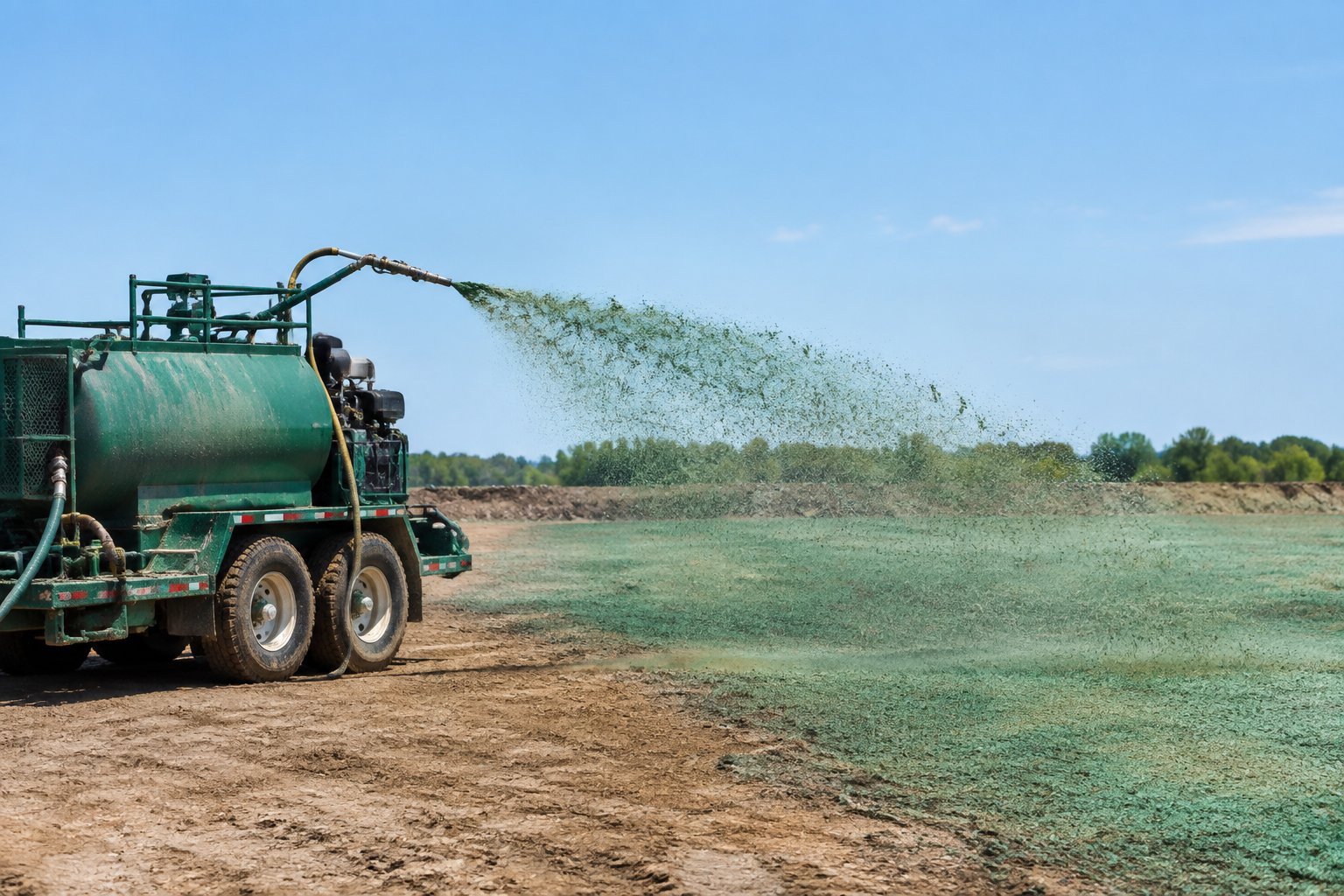
A commercial site sitting bare through a San Antonio summer creates two problems at once: sediment leaving the property during the next storm, and a closeout date that keeps sliding. Hydroseeding in San Antonio solves both when the ground is graded, accessible, and ready for a hydraulic application.
For most large commercial sites, hydraulic seeding gives you uniform coverage across many acres in a single mobilization, with germination that often begins within 7 to 14 days depending on soil moisture and weather. That timeline is the reason project managers reach for it over sod on wide-open acreage.
The planning matters more than the equipment. Grades need to hold, runoff needs a path, and the seed specification needs to match the soil and the season. Get those three things settled and the application becomes a scheduling item instead of a risk.
When Hydroseeding Fits a San Antonio Job Site
Hydroseeding fits best when you have broad areas of prepared soil that need vegetation established quickly and evenly. Sites with heavy rock cover, active equipment traffic, or grades still in flux are better served by waiting or by a different method.
Large Disturbed Areas That Need Uniform Vegetation Coverage
Warehouse pads, retail developments, and utility corridors across Bexar County share one trait: acres of bare soil and a compliance clock. Hydraulic application covers that ground in a single visit.
The slurry can carry seed, mulch, fertilizer, and soil conditioners in one pass. That mix holds moisture at the surface and gives seed the contact it needs to germinate. On a 20-acre pad, a broadcast spreader followed by separate mulching means multiple operations and multiple weather windows.
Slopes, Drainage Areas, and Erosion-Prone Ground
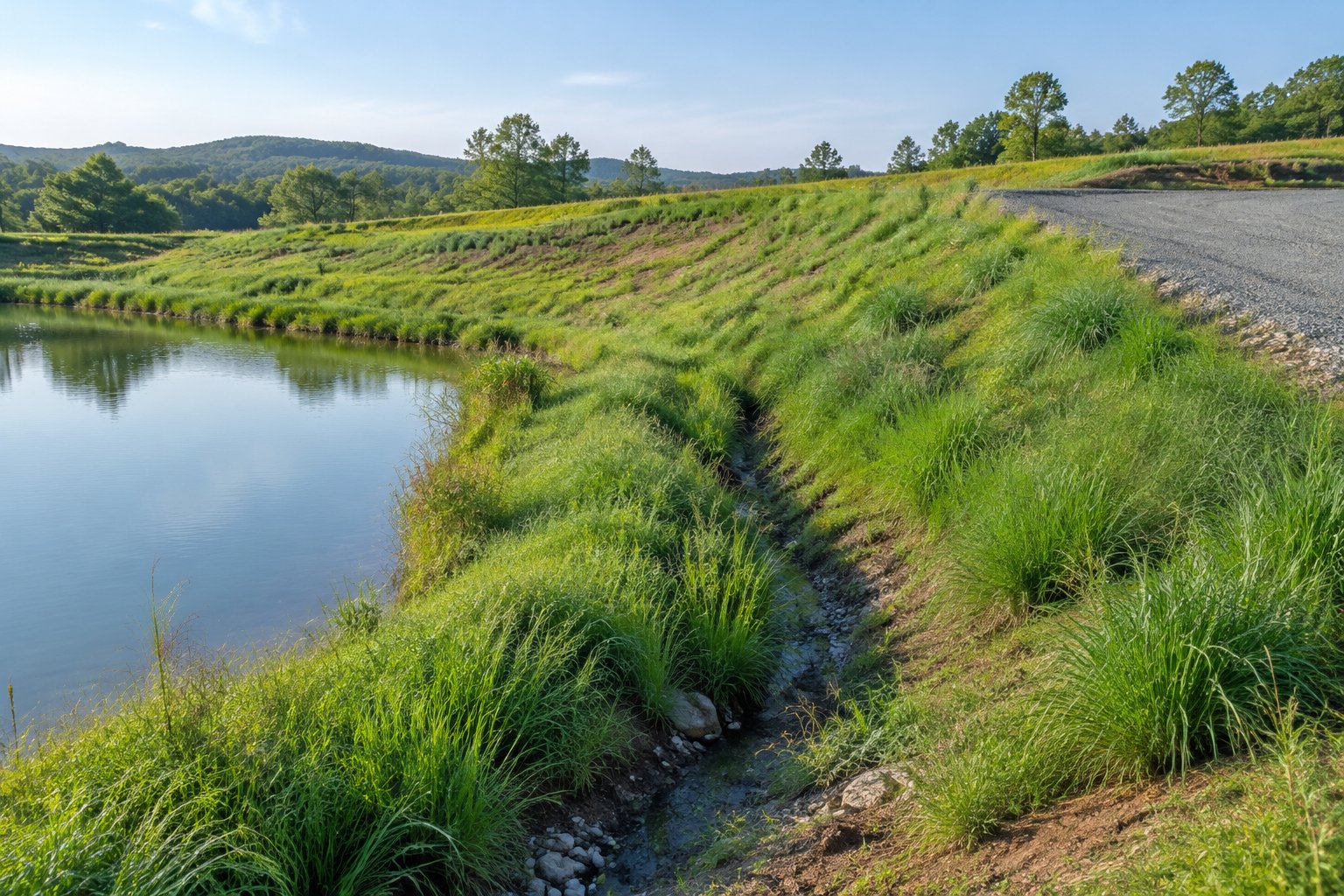
Detention pond banks, roadway embankments, and channel side slopes carry the highest erosion risk on most San Antonio jobs. Hydromulching services put a protective layer over that soil right away.
The EPA's stormwater guidance on mulching notes that hydromulch adheres to the top soil layer, forming a crust that lets water infiltrate while holding soil in place. Steeper slopes may need a bonded fiber matrix or a flexible growth medium instead of standard hydraulic mulch.
Where flow concentrates, seeding alone will not hold. Channels and chutes need lining or blanket protection selected for the expected shear stress.
Commercial Developments, Parks, and Sports Fields
Municipal parks and sports fields around San Antonio need turf that comes in evenly and takes foot traffic. Hydroseeding produces that consistency because the slurry distributes seed at a controlled rate.
Common commercial hydroseeding projects in San Antonio include:
- Commercial and industrial site restoration after grading
- Park turf establishment and beautification areas
- Roadside and right-of-way grass establishment
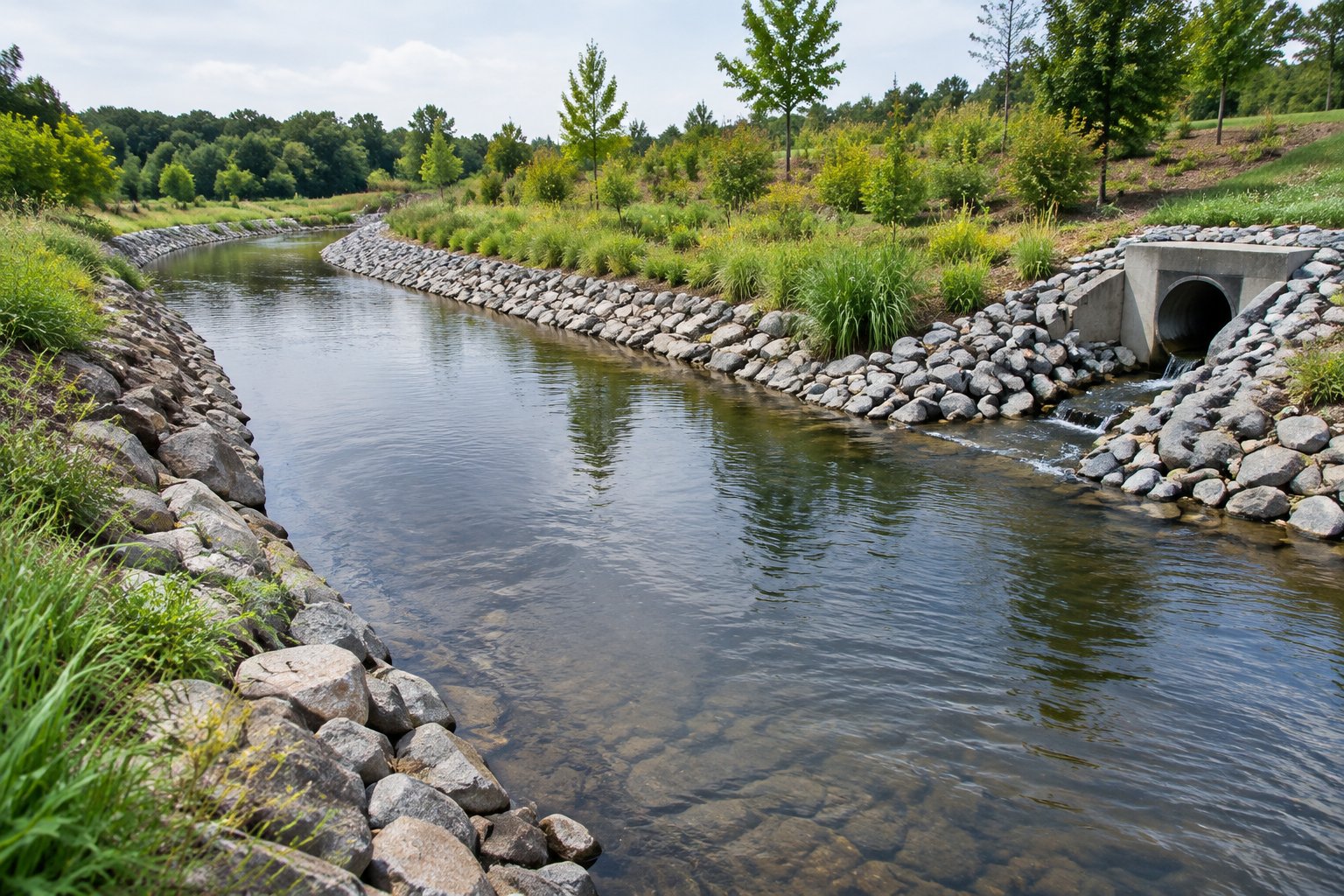
- Detention basin and swale stabilization
- Golf course rough and practice range seeding
Site Preparation Before Hydraulic Application
Soil preparation determines whether the application performs. A slurry sprayed onto compacted, crusted subgrade will germinate poorly no matter how good the seed mix is.
Evaluating Soil Conditions, Compaction, and Drainage
San Antonio soils vary sharply across the metro, from shallow rocky ground over limestone to deeper clay in the eastern and southern reaches. County-level soil data is available through the U.S. Department of Agriculture's Web Soil Survey, which many civil teams already pull for stormwater documentation.
What to check before the crew arrives:
- Compaction depth from equipment traffic and whether scarifying is required
- Whether topsoil was stripped and stockpiled, and if it will be replaced
- Surface rock cover, which reduces the soil area available for seed contact
- Low spots that pond water and drown seedlings
- Soil pH and fertility, if the specification calls for amendments
Preparing Grades and Managing Runoff Before Seeding
Final grades should be set and stable before seeding. Reworking a graded area after application wastes the seed and the mulch.
Concentrated flow coming across a freshly seeded slope will strip it. TxDOT guidance on erosion prevention recommends dikes or berms at the top of cut slopes to keep storm water from running down the slope face.
Diversion swales, slope drains, and inlet protection should be functioning first. Our crews plan the application sequence around those controls so the seeded surface stays intact through the first rain events.
Selecting Grass Seed and Seed Blends for the Project Specification
Seed selection follows the specification, the season, and the long-term use of the area. A temporary cover mix for a winter shutdown looks nothing like a permanent urban clay mix for a right-of-way.
Warm season grasses need soil temperature to support germination, so a mix sown in February behaves differently than the same mix in May. Where the plan calls for low-maintenance, drought-tolerant coverage, native grass seeding for commercial sites often fits better than turf blends, though establishment can take several months.
Highway and corridor work follows state seed specifications by district and soil type. Bring the plan sheet to the conversation so the mix, rate, and pure live seed requirements are clear from the start.
Scheduling Work Around San Antonio Weather and Construction Phases
Timing drives results more than any other planning decision on a San Antonio job. The same application in March and in August produces different outcomes.
How Soil Temperature Affects Seed Germination
Warm season seed needs warm soil. The right planting window depends on the specific seed mix and the establishment conditions, so timing should follow the mix on the plan sheet rather than a single calendar rule. Seeded bermudagrass, for example, is generally best planted in late spring or early summer, according to Pennington's bermudagrass guidance.
That is why spring and early summer applications of warm-season mixes tend to come in fastest in Central Texas. Cool season temporary mixes fill the gap for fall and winter stabilization when permanent seeding has to wait.
Planning Around Heat, Rainfall, and Precipitation Patterns
San Antonio summers put real pressure on new seedlings. Statewide, Texas temperatures have risen almost 1.5 degrees Fahrenheit since the start of the 20th century, and higher temperatures increase soil moisture loss during dry spells, according to a TxDOT environmental report.
Rainfall timing cuts both ways. Hydraulic mulches need drying time before heavy rain. EPA guidance suggests applying them at least 24 hours before a storm event, but the required drying or curing window varies by product and weather, so follow the selected product's instructions.
Watering plans also have to account for local rules. San Antonio Water System (SAWS) sets watering days and hours by drought stage, with Stage 1 limiting irrigation systems to once a week on a designated day. New landscape installations during declared stages may qualify for a SAWS landscape variance allowing weekday watering for up to five weeks.
Coordinating Installation With Grading, Utilities, and Final Stabilization
Seeding belongs near the end of the earthwork sequence, after utilities are backfilled and grades are final. Sites that seed too early pay for it twice.
A practical sequence for construction sites in areas like Alamo Heights or Terrell Hills:
- Complete utility installation and backfill in the area
- Set and compact final grades, then scarify the surface
- Verify perimeter and inlet controls are in place
- Apply fertilizer and hydraulic seeding per specification
- Begin the watering schedule and inspect after each rain event
Final stabilization is one of the conditions for ending stormwater permit coverage, along with the other termination requirements in the permit. Getting vegetation established on schedule is part of keeping sites inspection-ready through the closeout process.
What to Expect After Application
A finished hydroseed application looks like a colored mulch layer bonded to the soil surface. Under it, seed sits in contact with moist soil and begins to germinate.
How Hydraulic Mulch Supports Early Establishment
The mulch layer does the quiet work. It shields seed from rain splash and sheet flow, holds surface moisture, and moderates temperature swings at the soil surface.
Federal highway revegetation guidance notes that hydromulch with tackifier can stabilize the soil surface for up to a year, though short-fibered textures form a thinner covering than long-fibered mulches for holding moisture around seeds. That trade-off is why material selection follows site conditions.
Typical Germination and Establishment Windows
With reasonable soil moisture and temperature, germination often begins within 7 to 14 days after application, and a usable cover can develop in 4 to 6 weeks, depending on the seed mix, weather, and irrigation. These are estimates. Early green-up is not the same as the mature, uniform cover a permit requires for final stabilization.
Native grass mixes run longer, often 2 to 4 weeks to germinate and several months to establish. Those deeper root systems are the reason they hold soil better over time. Planning around the hydroseeding germination timeline in Texas keeps closeout expectations realistic.
When Hydroseeding Needs Added Erosion Control Protection
Some conditions call for more than seed and mulch. Steep grades, long slope lengths, erodible soils, and concentrated flow all push the site past what standard hydraulic mulch handles.
Options we select based on conditions:
- Flexterra flexible growth medium (FGM) for demanding slopes and disturbed soils
- Bonded fiber matrix for extended slope protection
- Erosion blankets and soil retention blankets in channels and steep cuts
- Protective mulch systems where vegetation will take longer to establish
Retention ponds and channels often need both seeding and structural protection. That combination shows up frequently in hydroseeding for retention ponds work tied to permit timelines. On steeper ground, Flexterra erosion control installation can protect the surface while vegetation establishes.
When Native Grass or Wildflower Seeding May Better Fit the Site
Turf is not always the right target. Areas with no irrigation, limited mowing access, or long-term low-maintenance goals do better with native species.
Wildflower seeding supports pollinators and reduces mowing on parks, medians, and large parcels, with bloom timing varying by species and season. Native grass restoration works well on reclaimed ground and rural tracts where drought tolerance matters. Selecting a contractor for that work means checking regional seed experience, which is covered in our notes on native grass restoration contractors in Texas.
Preparing a Clear Scope for Your San Antonio Project
A clear scope gets you an accurate number and an achievable schedule. Vague acreage and unknown soil conditions produce estimates that change once the crew sees the site.
Site Details to Include in a Hydroseeding Inquiry
Send these details with your inquiry and the estimate comes back faster:
- Project address or coordinates and total acreage to be seeded
- Current condition of the soil: graded, compacted, rocky, stripped
- Slope percentages and lengths in the seeding areas
- Seed specification or plan sheet reference, including any state or municipal spec
- Target dates for seeding and for final stabilization
- Whether water source and irrigation are available on site
- Erosion control items already installed or still required
Commercial properties with phased work should note which areas come available first. Split mobilizations change the schedule and the pricing.
How Access, Acreage, and Seed Specifications Affect Planning
Hydraulic application depends on equipment reaching the work. Spray reach and truck access depend on the equipment and the site: hose length, pump capacity, ground conditions, gate widths, and grade all play a part. Flag access limits in your inquiry so the setup can be planned before mobilization.
Acreage affects the number of tank loads and the water supply needed. A nearby fill point shortens the day considerably.
Seed specifications drive material cost and availability. Native and wildflower mixes carry longer lead times than common turf blends, so early notice helps. For budget framing on larger scopes, our breakdown of hydroseeding cost in Texas covers the variables that move the number, and Allied's calculator gives a starting estimate for standard hydroseeding based on your project size in square feet.
Questions to Ask About Stabilization and Follow-Up Requirements
Ask who is responsible for watering after application. On many commercial jobs that falls to the general contractor, and the answer changes the establishment outcome.
Other questions worth settling up front:
- What triggers a reapplication, and under what conditions
- Whether the scope includes erosion blankets or only hydraulic seeding
- How coverage will be documented for stormwater inspection files
- What percent vegetative cover the permit requires for final stabilization
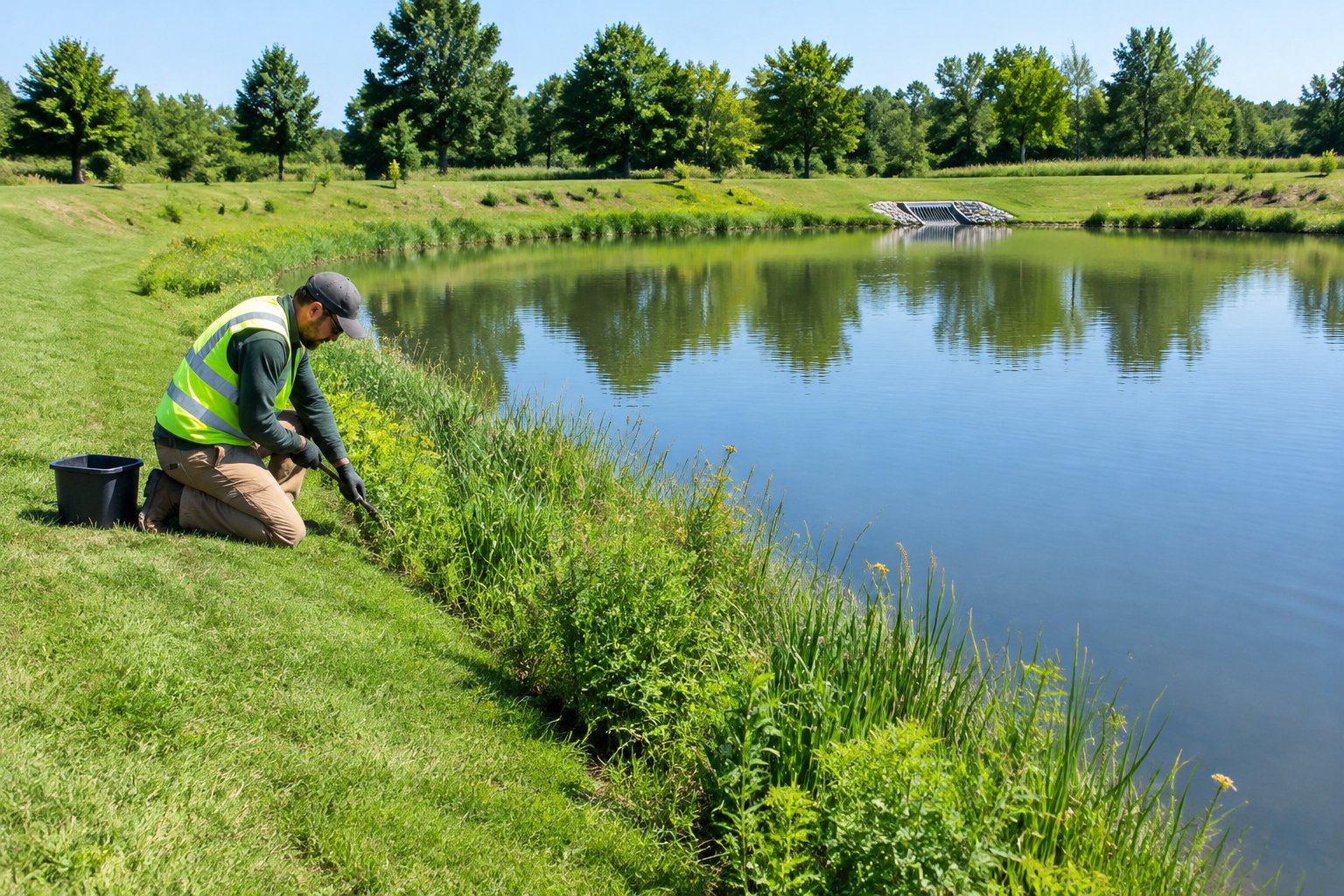
- Who inspects and repairs seeded areas after storm events
Documentation matters on sites under permit. Keeping records tied to erosion control services under compliance pressure saves time during inspections.
A Site-Ready Plan Keeps Vegetation Work on Schedule
Hydroseeding in San Antonio, TX performs when the site is ready for it. Final grades, functioning drainage controls, a seed specification matched to the soil and season, and a realistic watering plan cover most of what determines the outcome.
Build the timeline backward from your final stabilization date. Under favorable conditions, germination often begins within 7 to 14 days and a usable cover can develop in 4 to 6 weeks, while native mixes can take several months. Treat those windows as estimates and leave margin before your final stabilization date. They tell you when the crew needs to be on site.
Allied Hydromulch TX, LLC has handled grass establishment and erosion control across Texas and the Gulf South since April 1990 and mulched approximately 15 million square feet in 2025 for more than 60 unique clients. Send us your acreage, slopes, and seed spec for a project quote, or enter your project size in square feet in our online calculator for a standard hydroseeding estimate first. Call 281-482-8212 to talk through your San Antonio site.
Frequently Asked Questions
Does hydroseeding work in San Antonio, Texas?
Yes, hydroseeding works well on San Antonio commercial sites when grades are final and the soil surface has been prepared. Soil varies across Bexar County from shallow rocky ground to deeper clay, so scarifying compacted areas and matching the seed mix to the soil type matter. Sites with heavy surface rock or concentrated flow need additional erosion control measures alongside the seeding.
What Is the Best Time of Year for Hydroseeding in San Antonio?
It depends on the seed mix. Warm season permanent grasses generally establish best when planted in late spring or early summer, once the soil has warmed; seeded bermudagrass is a common example. Early fall is less reliable for warm season seed, since seedlings may not establish before cooler weather arrives. Cool season temporary cover can stabilize a site through fall and winter until permanent seeding conditions return.
How Long Does Hydroseed Take to Germinate on a Commercial Site?
Under favorable conditions, germination often begins within 7 to 14 days after application, and a usable cover can develop in 4 to 6 weeks. Those estimates depend on the seed mix, soil moisture, soil temperature, and whether a consistent watering plan is in place. Native grass mixes take longer, often germinating in 2 to 4 weeks and establishing over several months. Early growth is not the same as final stabilization.
What Site Preparation Is Required Before Hydroseeding?
Final grades should be set, compacted surfaces scarified, and debris removed before the crew arrives. Perimeter controls, inlet protection, and any diversion swales need to be functioning so runoff does not cross the seeded area. If the specification calls for topsoil or fertilizer, those go in place before the hydraulic application.
Can Hydroseeding Help Stabilize Slopes and Drainage Areas?
Hydroseeding helps on moderate slopes because the mulch layer bonds to the soil and shields it while vegetation establishes. Steep grades, long slope lengths, and channels with concentrated flow need more, such as a flexible growth medium, bonded fiber matrix, or erosion blankets. Material selection follows slope percentage, soil type, and the expected flow conditions.
What Information Should I Provide When Requesting a Hydroseeding Estimate?
Provide the site address, total acreage, current soil condition, slope percentages, and the seed specification or plan sheet. Add your target seeding date, final stabilization deadline, and whether water and site access are available for equipment. Noting which erosion control items are already installed helps us scope only what the site still needs.